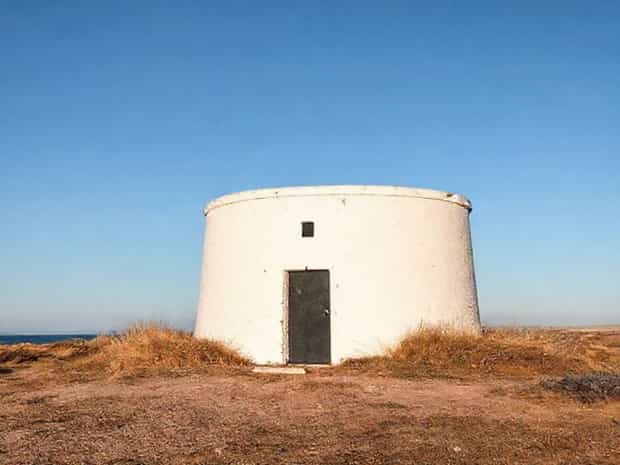
Best Time To Visit Spurn Point
Spurn Point, a narrow sand spit extending into the North Sea in East Yorkshire, England, is a hidden gem for nature enthusiasts, bird watchers, and history lovers. Its unique location, surrounded by dynamic coastal landscapes, tidal flats, and salt marshes, makes it a fascinating place to explore throughout the year. Planning a visit to Spurn Point requires understanding the best time to go, considering weather conditions, wildlife activity, and accessibility. Knowing when to visit ensures a safe, enjoyable, and memorable experience in this remote coastal area.
Understanding Spurn Point
Spurn Point is a long, thin stretch of land approximately three miles long, acting as a natural barrier between the Humber Estuary and the North Sea. It is renowned for its dynamic environment, constantly shaped by tides, currents, and wind. The area is managed as a nature reserve, offering protection to its diverse habitats and species.
Significance of Spurn Point
- WildlifeHome to many migratory birds, including waders, gulls, and terns, Spurn Point is a hotspot for birdwatching enthusiasts.
- Coastal EnvironmentThe sand spit, salt marshes, and tidal flats create a unique ecosystem that changes with the seasons.
- Historical SitesThe area has historical significance, featuring old lifeboat stations, coastguard cottages, and remnants of wartime defenses.
Seasonal Considerations
Choosing the best season to visit Spurn Point depends on what you want to experience. Each season offers different opportunities for exploration, wildlife observation, and photography.
Spring (March to May)
- Bird MigrationSpring is an excellent time to see migratory birds arriving at Spurn Point, including rare species stopping over during their journey.
- Mild WeatherTemperatures are moderate, making walking along the sand spit comfortable.
- FloraWildflowers start blooming along the marshes, adding color to the landscape.
Summer (June to August)
- Warm WeatherSummer offers the warmest and sunniest conditions, ideal for long walks, picnics, and photography.
- Extended DaylightLonger daylight hours allow for exploring the area more thoroughly and enjoying sunsets over the North Sea.
- Family VisitsSummer is suitable for families as accessibility is easier, and local amenities are open for visitors.
Autumn (September to November)
- Birdwatching PeakAutumn migration is another highlight, with large flocks of waders, geese, and other seabirds visible on the estuary and spit.
- Changing ColorsThe landscape transforms with autumnal tones, offering stunning scenery for photography.
- Cooler TemperaturesCooler temperatures make walking long distances more comfortable for those who prefer avoiding summer heat.
Winter (December to February)
- SeclusionWinter brings fewer visitors, allowing for a peaceful and solitary experience.
- Wildlife SpottingCertain species, such as wintering wildfowl, are more visible during colder months.
- Challenging ConditionsCold winds, rough seas, and potentially muddy paths require warm clothing, proper footwear, and extra caution.
Weather and Accessibility
Weather plays a crucial role in planning a visit to Spurn Point. The area is exposed to the elements, and tides can affect accessibility. Checking weather forecasts and tide times is essential for a safe visit.
Tips for Visiting
- Check TidesHigh tides can limit beach access, and some areas may become submerged. Plan your walk around low tides for safety.
- Wind and RainThe exposed location can experience strong winds and sudden showers. Carry waterproof clothing and layers to stay comfortable.
- FootwearSturdy walking shoes or boots are recommended due to sandy paths, marshes, and potential muddy areas.
Wildlife Watching
Spurn Point is particularly famous for its birdlife, attracting both casual observers and dedicated birdwatchers. Visiting during peak migration seasons enhances the chance of seeing rare and interesting species.
Birdwatching Highlights
- Spring MigrationWarblers, sandpipers, and other migratory birds arrive, making spring a rewarding time for birdwatchers.
- Autumn MigrationLarge flocks of geese, ducks, and waders pass through, providing spectacular viewing opportunities.
- Winter VisitorsSome species, like brent geese and wigeon, spend the winter months at Spurn Point.
Photography Opportunities
Spurn Point offers incredible landscapes and wildlife photography opportunities throughout the year. Each season brings unique lighting, colors, and natural features that can enhance your photos.
Tips for Photographers
- Sunrise and SunsetThe eastern tip of Spurn Point provides stunning views for capturing sunrise over the sea and dramatic sunsets across the estuary.
- Wildlife PhotographyUse a telephoto lens for bird photography to capture detail without disturbing the animals.
- Landscape ShotsWide-angle lenses work well for the expansive sandy shores, tidal flats, and salt marshes.
Local Amenities and Accommodation
Spurn Point itself is remote, with limited amenities. Visitors should plan ahead and bring necessary supplies, such as food, water, and sun protection. Nearby towns along the Humber estuary offer accommodations, restaurants, and other facilities.
Planning Your Stay
- Day TripsMany visitors choose to explore Spurn Point on day trips from nearby towns like Hull or Easington.
- Local LodgingBed and breakfasts, hotels, and guesthouses are available in nearby coastal towns, providing convenient bases for exploring the area.
- Essential SuppliesCarry snacks, water, and a first aid kit, as facilities on the spit are minimal.
Spurn Point is a remarkable destination for those who appreciate natural beauty, wildlife, and tranquil coastal landscapes. The best time to visit depends on your interests spring and autumn are ideal for birdwatchers, summer provides warm weather for leisurely walks, and winter offers solitude and unique wildlife sightings. Considering weather conditions, tides, and accessibility is crucial for a safe and enjoyable experience. Whether you are hiking along the sand spit, photographing migratory birds, or simply enjoying the remote beauty of the North Sea, planning your visit around the best season ensures a memorable adventure at Spurn Point.