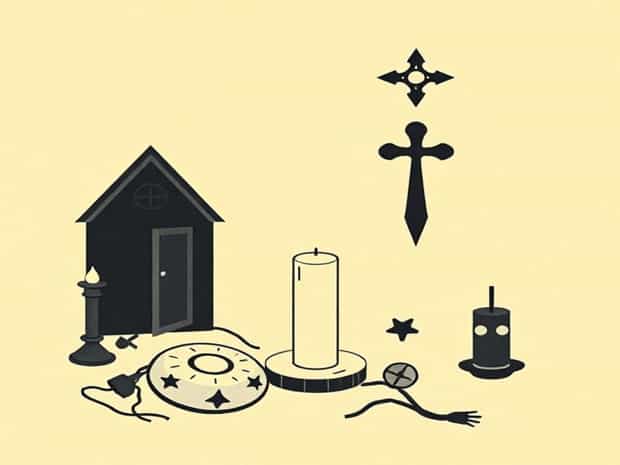
Items Of The Occult
The world of the occult has fascinated people for centuries, filled with mystery, symbolism, and practices that explore hidden knowledge and supernatural forces. Among the many aspects of the occult, physical objects or items play a central role in rituals, ceremonies, and spiritual practices. These items are often believed to carry power, channel energy, or serve as tools for divination and protection. Understanding the significance of these objects provides insight into the beliefs, traditions, and cultural history of occult practices, while also revealing how they influence the mystical and spiritual experiences of practitioners around the world.
Common Items in the Occult
Items of the occult are diverse and vary depending on the tradition, region, or spiritual path. Some objects are used for divination, others for protection, and some for ritualistic purposes. These items are often imbued with symbolic meaning and can enhance a practitioner’s connection to spiritual or metaphysical forces. Here are some of the most common items associated with occult practices
Crystals and Gemstones
Crystals and gemstones are widely used in occult practices for their believed energetic properties. Each type of crystal is thought to hold specific powers or vibrations that can influence emotions, health, or spiritual awareness. For example, amethyst is often associated with protection and spiritual insight, while rose quartz is believed to promote love and emotional healing. Practitioners use crystals in meditation, spell work, or as talismans to attract desired energies and ward off negative influences.
Tarot Cards and Divination Tools
Tarot cards are one of the most well-known divination tools in occult practices. They consist of a deck of 78 cards, each with symbolic imagery that represents different aspects of life, emotions, and potential outcomes. Practitioners use tarot readings to gain insight into personal situations, make decisions, and understand unseen influences. Other divination tools include runes, pendulums, crystal balls, and scrying mirrors, each serving as a medium through which hidden knowledge or guidance can be revealed.
Amulets and Talismans
Amulets and talismans are objects believed to provide protection, luck, or spiritual benefits to their owner. An amulet is typically worn or carried to ward off evil or negative energies, while a talisman is often created with a specific intention, such as attracting wealth, love, or success. Symbols engraved or inscribed on these objects, along with ritualistic consecration, are thought to enhance their power. Practitioners often use these items in daily life or during specific rituals to strengthen their spiritual influence.
Wands and Ritual Tools
In many occult traditions, wands, athames (ritual knives), and staffs serve as tools to direct energy, invoke spirits, or perform ceremonial magic. Wands are often made from specific types of wood and may be adorned with crystals or symbols to enhance their potency. Ritual tools are carefully chosen based on their material, shape, and symbolic meaning, and are often used in conjunction with spells, ceremonies, or invocations to focus intention and amplify results.
Books and Grimoires
Written knowledge is another cornerstone of the occult, and books or grimoires are highly valued items. Grimoires are manuals of magic, containing spells, rituals, symbols, and instructions for invoking supernatural entities. Historical grimoires often date back centuries and are considered rare and powerful sources of occult knowledge. Practitioners may use these books to study correspondences, perform rituals, or gain insight into mystical traditions. Today, modern books on witchcraft, ceremonial magic, and occult philosophy continue to guide practitioners in their spiritual journey.
Candles and Incense
Candles and incense are commonly used in occult rituals for their symbolic and energetic properties. Different colors of candles are believed to correspond with specific intentions white for purity, red for passion, green for prosperity, and black for protection or banishing negative forces. Incense, made from resins, herbs, and essential oils, is burned to purify spaces, enhance focus, and create a conducive environment for spiritual work. Together, candles and incense help practitioners establish the mood and intention necessary for effective ritual practice.
Crystals, Herbs, and Oils
Many occult items involve natural materials such as crystals, herbs, and oils. Herbs like sage, rosemary, and lavender are used in rituals for purification, protection, and attracting positive energies. Essential oils may be anointed on objects, used in spells, or incorporated into baths and meditations. Combining these elements allows practitioners to connect with natural energies and align their spiritual work with symbolic correspondences found in nature.
The Symbolism of Occult Items
Each item of the occult carries specific symbolism that contributes to its perceived power and effectiveness. Colors, shapes, materials, and inscriptions are all significant in determining the purpose of an object. For example, a pentacle engraved on a talisman represents protection and balance, while a wand made from oak may symbolize strength and wisdom. Understanding the symbolism behind each item allows practitioners to select tools that align with their spiritual goals and enhance their ritual outcomes.
Role in Rituals and Ceremonies
Occult items are often integral to the performance of rituals and ceremonies. They serve as focal points for intention, aiding practitioners in channeling energy, connecting with spiritual entities, and manifesting desired outcomes. Placement, arrangement, and activation of these items are carefully considered to maximize their effectiveness. In ceremonial magic, every object, from chalices to candles, plays a specific role, contributing to the overall harmony and power of the ritual.
Collecting and Ethical Considerations
Collecting items of the occult can be a personal and spiritual practice, but it also requires awareness of ethical considerations. Many natural materials, such as rare crystals or specific herbs, may be sourced unsustainably, impacting the environment. Practitioners are encouraged to obtain items responsibly, respect cultural traditions, and use them with intention and mindfulness. Ethical collection ensures that the spiritual power and symbolism of the objects are preserved while promoting environmental stewardship.
Modern Use and Popularity
Today, items of the occult have gained popularity not only among practitioners but also among collectors, enthusiasts, and those interested in alternative spirituality. Online stores, workshops, and spiritual communities provide access to a wide variety of tools, from traditional ritual items to modern interpretations. The continued interest in occult objects highlights their enduring appeal as symbols of mystery, empowerment, and personal transformation.
Items of the occult are more than mere objects they are tools, symbols, and conduits of energy that have been used for centuries in spiritual, magical, and mystical practices. Crystals, talismans, wands, grimoires, candles, and herbs all serve specific purposes, helping practitioners connect with unseen forces, enhance rituals, and manifest intentions. Understanding the history, symbolism, and ethical considerations of these items allows for a deeper appreciation of their role in the occult. Whether used for personal empowerment, spiritual growth, or exploration of hidden knowledge, these objects continue to fascinate and inspire those drawn to the mysteries of the unseen world.