Is The Tibia A Bone
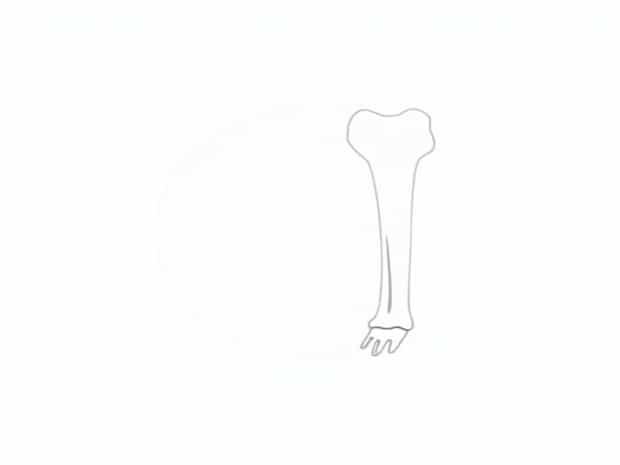
The tibia is indeed a bone, and it is one of the most important bones in the human skeletal system. Commonly referred to as the shinbone, the tibia is located in the lower leg and plays a crucial role in supporting body weight, enabling movement, and connecting the knee to the ankle. It is a long, strong bone that works in conjunction with the fibula, another lower leg bone, to provide stability and strength to the leg. Understanding the tibia’s anatomy, function, and clinical significance is essential for medical professionals, athletes, and anyone interested in human anatomy.
Definition and Overview of the Tibia
The tibia is a long bone found in the lower leg, medial to the fibula, and it forms the main connection between the knee and the ankle. As a weight-bearing bone, it is the second largest bone in the body after the femur. The tibia provides structural support, allowing humans to stand upright, walk, run, and perform various physical activities. It also serves as an attachment site for muscles and ligaments, contributing to movement and stability in the lower limb.
Anatomical Structure of the Tibia
The tibia has a complex structure that includes a shaft, two ends, and several key anatomical landmarks that are important for muscle attachment, joint formation, and clinical reference.
Proximal End
The proximal end of the tibia is located near the knee and forms part of the knee joint. Key features include
- Medial and Lateral CondylesRounded projections that articulate with the femur to form the knee joint.
- Tibial PlateauThe flat upper surface of the tibia that supports the femoral condyles.
- Tibial TuberosityA prominent area on the anterior surface where the patellar ligament attaches.
Shaft (Diaphysis)
The shaft of the tibia is the long, straight portion of the bone. It is triangular in cross-section, providing strength and resistance to bending and torsion. The anterior surface of the shaft is easily palpable beneath the skin, commonly known as the shin. The shaft also serves as an attachment site for several muscles, including the tibialis anterior, which is responsible for dorsiflexion of the foot.
Distal End
The distal end of the tibia forms part of the ankle joint. Important structures include
- Medial MalleolusThe bony prominence on the inner side of the ankle, providing ligament attachment and stability.
- Articular SurfaceThe area that connects with the talus bone of the foot to form the ankle joint.
Functions of the Tibia
The tibia serves multiple critical functions that are essential for mobility, weight-bearing, and overall leg function. These functions highlight its importance as a major bone in the lower limb.
Weight-Bearing and Support
The tibia is the primary weight-bearing bone of the lower leg. It supports the body’s weight when standing, walking, or running. Its robust structure allows it to handle significant stress and pressure, distributing forces from the femur to the foot. Without the tibia, the lower limb would lack stability, making upright posture and locomotion impossible.
Movement and Locomotion
The tibia plays a key role in movement by forming joints with the femur at the knee and the talus at the ankle. These articulations allow for flexion, extension, and rotational movements. Muscles attached to the tibia, such as the tibialis anterior, gastrocnemius, and soleus, facilitate walking, running, jumping, and balance.
Muscle and Ligament Attachment
The tibia provides surfaces for the attachment of muscles and ligaments that control leg and foot movement. For example, the patellar ligament attaches to the tibial tuberosity, allowing extension of the knee. Additionally, various tendons of the calf muscles attach to the posterior surface, assisting in plantarflexion and stabilization of the ankle and foot.
Protection and Structural Stability
The tibia, along with the fibula, forms a stable structure that supports the lower leg. It protects internal soft tissues such as blood vessels, nerves, and muscles from external trauma. The triangular shape of the shaft adds mechanical strength, reducing the risk of fractures and deformation during physical activities.
Clinical Significance of the Tibia
The tibia is clinically significant due to its role in weight-bearing, locomotion, and susceptibility to injuries. Understanding its anatomy and function helps in diagnosing, treating, and preventing various medical conditions.
Tibial Fractures
The tibia is prone to fractures, especially in high-impact accidents, sports injuries, or falls. Common types include
- Transverse FracturesA straight break across the bone.
- Oblique FracturesA diagonal break along the shaft.
- Comminuted FracturesThe bone is shattered into multiple pieces.
Fractures often require immobilization with casts or surgical intervention with rods and plates to ensure proper healing and restoration of function.
Shin Splints
Shin splints, or medial tibial stress syndrome, occur due to repetitive stress on the tibia, leading to pain along the inner edge of the shin. This condition is common in runners and athletes and can be managed with rest, stretching, strengthening exercises, and proper footwear.
Osteomyelitis
The tibia is susceptible to infections, particularly open fractures. Osteomyelitis is an infection of the bone that can result in severe pain, swelling, and systemic symptoms. Early diagnosis and antibiotic treatment are crucial to prevent long-term damage.
Growth and Development
In children, the tibia contains growth plates (epiphyseal plates) at both ends, which allow the bone to lengthen during development. Proper nutrition, physical activity, and monitoring of growth are important to ensure healthy tibial development and prevent deformities.
The tibia is a major long bone in the lower leg, playing an essential role in weight-bearing, movement, and structural stability. It forms crucial joints with the knee and ankle, supports muscle and ligament attachment, and protects internal tissues. Understanding the tibia’s anatomy, functions, and clinical significance is vital for health professionals, athletes, and anyone interested in human anatomy. From enabling upright posture to facilitating complex movements and bearing significant stress, the tibia is a fundamental component of the skeletal system that ensures mobility, stability, and overall leg function.