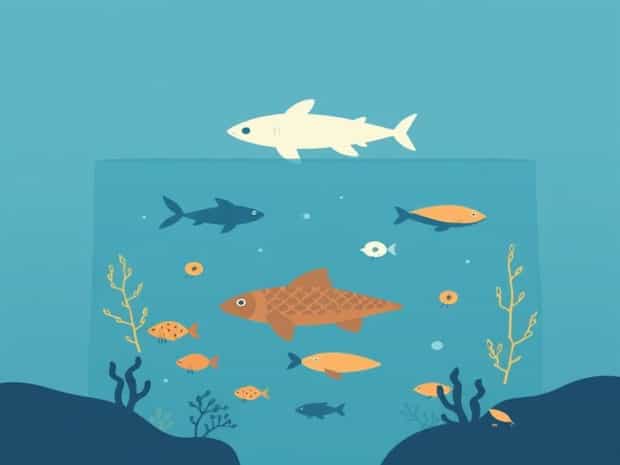
Animals In The Hydrosphere
The hydrosphere, encompassing all the water on Earth, is home to an incredible diversity of animal life that thrives in oceans, rivers, lakes, and wetlands. From microscopic plankton to massive whales, animals in the hydrosphere exhibit a wide range of adaptations that allow them to survive, reproduce, and interact within aquatic environments. Studying these animals is crucial for understanding ecosystems, maintaining biodiversity, and addressing environmental challenges such as pollution and climate change. The interconnectedness of water systems means that changes in one part of the hydrosphere can have far-reaching effects on the animals that inhabit it, highlighting the importance of preserving these habitats.
Classification of Animals in the Hydrosphere
Animals in the hydrosphere can be broadly classified based on their habitat, behavior, and physical characteristics. These classifications help scientists organize and study aquatic biodiversity effectively. Major categories include freshwater animals, marine animals, and amphibious species that rely on both terrestrial and aquatic habitats.
Freshwater Animals
Freshwater habitats such as rivers, lakes, and ponds host a variety of animals adapted to lower salinity environments. Common freshwater animals include fish like trout and catfish, amphibians such as frogs and salamanders, and invertebrates like freshwater snails, crayfish, and aquatic insects. These species often have adaptations for navigating currents, regulating buoyancy, and avoiding predators in complex, vegetation-rich ecosystems.
Marine Animals
Marine animals inhabit oceans, seas, and estuaries, where they encounter higher salinity and a wider range of temperatures and pressures. Examples include fish like tuna and clownfish, marine mammals such as dolphins and whales, mollusks like octopuses and squids, and numerous crustaceans including crabs and lobsters. Marine animals display a variety of feeding strategies, migration patterns, and reproductive methods that help them thrive in vast and sometimes harsh oceanic environments.
Amphibious and Intertidal Animals
Some animals live in areas where terrestrial and aquatic habitats meet, such as estuaries, mangroves, and tidal zones. Crabs, certain amphibians, and mudskippers can survive in both water and on land for limited periods. These animals often have specialized respiratory systems, body structures, and behaviors that allow them to cope with fluctuating water levels, oxygen availability, and temperature changes in the intertidal zones.
Adaptations of Animals in the Hydrosphere
Survival in aquatic environments requires a variety of physical and behavioral adaptations. Animals in the hydrosphere have evolved unique traits to handle challenges such as water pressure, temperature variations, salinity, and predation. These adaptations allow them to exploit specific niches and maintain ecological balance.
Respiratory Adaptations
Respiration in water presents a unique challenge, and animals have developed different strategies to extract oxygen efficiently. Fish use gills to absorb oxygen from water, while marine mammals like whales and dolphins rely on lungs and periodic surfacing. Some amphibians and invertebrates can absorb oxygen directly through their skin, allowing them to survive in low-oxygen environments such as swamps and marshes.
Locomotion and Body Structure
Movement in water requires adaptations to reduce resistance and enhance speed or maneuverability. Fish have streamlined bodies and fins that allow precise navigation, while cephalopods use jet propulsion for rapid movement. Aquatic mammals often possess powerful tails and flippers that facilitate swimming, diving, and hunting. Even smaller invertebrates like plankton have appendages that help them drift or maintain position in water currents.
Feeding Strategies
Animals in the hydrosphere have diverse feeding habits depending on their environment and ecological role. Predators like sharks and seals hunt actively, while filter feeders such as baleen whales and some bivalves consume plankton. Herbivorous species, including certain fish and sea urchins, graze on algae and aquatic plants. These feeding adaptations contribute to nutrient cycling and energy flow within aquatic ecosystems.
Ecological Roles
Animals in the hydrosphere play vital roles in maintaining the health and stability of aquatic ecosystems. Their activities influence nutrient cycles, population dynamics, and habitat structure, which in turn support a wide range of life forms.
Predators and Prey
Predation regulates population sizes and helps maintain ecological balance. Predators such as large fish, otters, and birds like herons control the abundance of smaller fish and invertebrates. Conversely, prey species contribute to energy transfer and serve as food for higher trophic levels. This predator-prey interaction ensures a dynamic and stable ecosystem.
Decomposers and Detritivores
Decomposers, including bacteria, worms, and certain crustaceans, break down organic matter in aquatic environments. This process recycles nutrients, enriching the water and sediment for plants and other animals. Detritivores like some insects and mollusks feed on decomposed material, playing a crucial role in maintaining water quality and ecosystem productivity.
Symbiotic Relationships
Many aquatic animals engage in symbiotic relationships to survive and thrive. Cleaner fish remove parasites from larger fish, while certain shrimp and crabs form mutualistic partnerships with sea anemones or corals. These interactions demonstrate the interconnectedness of species in the hydrosphere and highlight the importance of biodiversity for ecological stability.
Threats to Animals in the Hydrosphere
Despite their adaptations, animals in the hydrosphere face numerous threats from human activities and environmental changes. Pollution, habitat destruction, overfishing, and climate change significantly impact aquatic biodiversity. Contaminants like plastics and chemicals disrupt feeding, reproduction, and migration, while rising temperatures and ocean acidification alter habitat conditions for sensitive species.
Conservation Efforts
Efforts to protect animals in the hydrosphere include the establishment of marine protected areas, sustainable fishing practices, pollution reduction initiatives, and habitat restoration projects. Conservation programs also focus on endangered species, research on ecological interactions, and public education to promote awareness of aquatic life and its importance.
Animals in the hydrosphere represent an extraordinary spectrum of life, ranging from microscopic organisms to massive whales. Their adaptations, ecological roles, and interactions are essential for maintaining the health of aquatic ecosystems and the planet as a whole. Understanding these animals not only enriches our knowledge of biology but also underscores the urgent need to protect and preserve water habitats. By studying, appreciating, and conserving animals in the hydrosphere, humans can contribute to the sustainability of life in Earth’s aquatic environments and ensure that future generations continue to benefit from their presence.