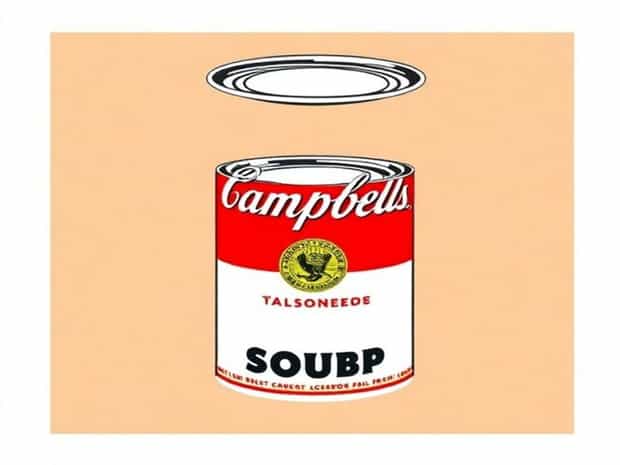
Andy Warhol Campbell Soup
Andy Warhol’s Campbell Soup artwork remains one of the most iconic examples of pop art, symbolizing the intersection of commercial culture and fine art. Warhol transformed everyday consumer products into powerful visual statements, challenging traditional ideas of what constitutes art. By focusing on Campbell’s Soup cans, he elevated a mundane grocery item into a symbol of modern consumerism and mass production, reflecting the cultural climate of mid-20th century America. The Campbell Soup series not only brought Warhol widespread recognition but also sparked conversations about the role of advertising, branding, and repetition in contemporary art. Today, Warhol’s Campbell Soup paintings are celebrated for their simplicity, bold colors, and cultural impact, representing a turning point in the perception of art and commerce.
The Origins of Warhol’s Campbell Soup Series
Andy Warhol began exploring the Campbell Soup motif in 1962, inspired by his fascination with commercial products and popular culture. Having worked as a commercial illustrator, Warhol was already familiar with advertising and branding techniques, which influenced his artistic approach. The Campbell Soup series grew out of his interest in turning ordinary objects into art, emphasizing repetition and uniformity. Each can was painted with meticulous precision, reflecting the product’s design while transforming it into a symbol of the mass-produced world. Warhol’s choice of soup cans was deliberate, as Campbell’s had become a staple in American households, representing both familiarity and consumer culture.
Techniques and Style
Warhol employed a combination of hand-painting and silkscreen techniques to create his Campbell Soup works. The use of bright, flat colors and bold outlines helped emphasize the commercial nature of the cans while drawing attention to their graphic quality. By repeating the cans in grids or series, Warhol highlighted the industrial process of mass production, echoing themes of uniformity and consumerism. The aesthetic was intentionally simple, allowing the everyday object to dominate the viewer’s attention while subtly questioning the distinction between high art and popular culture.
Silkscreen Printing
- Allowed Warhol to reproduce images quickly and consistently
- Enabled slight variations that created interest and uniqueness in each piece
- Reflected the mechanical and repetitive nature of consumer products
- Combined hand-painting and commercial techniques to blur art and commerce
Cultural Impact of Campbell Soup Art
The Campbell Soup series had a profound effect on the art world and popular culture. Warhol’s work challenged the elitist notion that art must be unique or created from traditional fine art materials. By choosing a mass-produced object as his subject, he questioned what could be considered worthy of artistic representation. The artwork also reflected post-war consumer culture in America, a time when advertising and brand loyalty were shaping everyday life. Warhol’s Campbell Soup paintings became icons, representing both the accessibility of art and the omnipresence of consumer goods in modern society.
Influence on Pop Art
Warhol’s Campbell Soup series is widely recognized as a cornerstone of the pop art movement. Pop art emerged in the 1950s and 1960s as a response to abstract expressionism, focusing on imagery from mass media, advertising, and popular culture. Warhol’s work exemplified this approach, using repetition, bright colors, and commercial imagery to create visually striking pieces. The Campbell Soup series inspired other artists to explore similar themes, turning everyday objects into celebrated works of art and redefining the boundaries between commercial and fine art.
Repetition and Consumerism
- Repeating the soup cans mirrored industrial mass production
- Emphasized the ubiquity of branded products in daily life
- Reflected societal obsession with consumer goods
- Encouraged viewers to reconsider the artistic value of ordinary objects
Exhibitions and Reception
When Warhol first exhibited the Campbell Soup series, reactions were mixed. Some critics dismissed it as trivial or commercial, while others praised it for its bold commentary on modern culture. Over time, the series gained recognition as a landmark in contemporary art. Major museums and galleries around the world have featured the Campbell Soup paintings, solidifying Warhol’s reputation as a pioneering figure in pop art. The work continues to resonate with audiences, highlighting the enduring appeal of simplicity, repetition, and cultural commentary in art.
Legacy in Contemporary Art
Warhol’s Campbell Soup series has left a lasting legacy, influencing generations of artists and shaping discussions about art and commerce. Contemporary artists often draw inspiration from Warhol’s methods, using everyday objects, repetition, and commercial imagery in their own work. The series also continues to spark debate on the value of art, originality, and the role of branding in shaping visual culture. Warhol’s approach has made it possible to see the extraordinary in the ordinary, turning consumer goods into symbols of cultural significance.
Collecting and Valuation
The Campbell Soup paintings have become highly sought-after collectibles, representing some of Warhol’s most recognizable and influential works. Original pieces from the series command significant prices at auctions and are prized for their historical and cultural significance. Collectors and museums value the works not only for their aesthetic appeal but also for their role in defining the pop art movement and reflecting the social and commercial dynamics of the 1960s. Warhol’s Campbell Soup art continues to inspire fascination and admiration among art enthusiasts worldwide.
Why Campbell Soup Remains Iconic
- Represents a fusion of commercial imagery and fine art
- Embodies themes of repetition, consumerism, and mass production
- Serves as a cultural touchstone of 20th-century American life
- Continues to influence contemporary artists and designers
- Offers a visually striking and recognizable symbol for art collectors
Andy Warhol’s Campbell Soup series remains one of the most influential and recognizable examples of pop art. Through his innovative use of repetition, bright colors, and commercial imagery, Warhol transformed an everyday object into a cultural icon that continues to captivate audiences. The artwork reflects the consumer culture of 1960s America, challenges traditional notions of art, and demonstrates the power of simplicity and accessibility in visual expression. Today, the Campbell Soup paintings are celebrated not only for their artistic brilliance but also for their enduring impact on modern art, culture, and society.