Is It Colosseum Or Coliseum
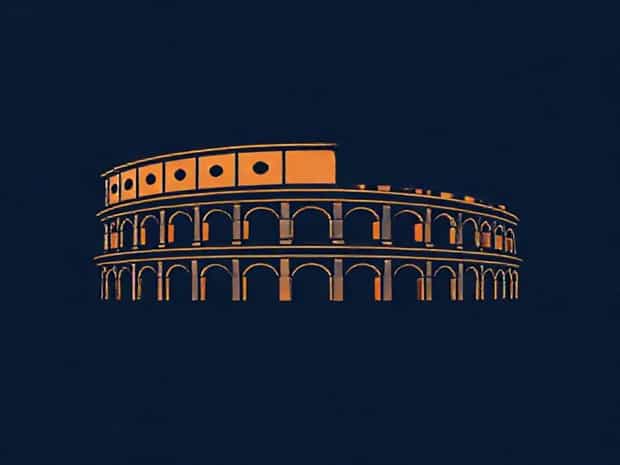
The iconic structure in the heart of Rome, famous for gladiatorial contests and grand public spectacles, is often referred to as either the Colosseum or the Coliseum. This spelling debate has persisted among historians, tourists, and writers, leading to confusion about which term is correct. While both words are widely recognized and used in English, they have slightly different origins, connotations, and preferred contexts. Understanding these distinctions is essential for accuracy in writing, travel guides, educational materials, and historical discussions.
Historical Background
The Colosseum, originally called the Flavian Amphitheatre, was commissioned by Emperor Vespasian in AD 70-72 and completed under his son Titus in AD 80. It was the largest amphitheatre in the Roman Empire and could hold tens of thousands of spectators who watched gladiatorial games, animal hunts, and other public entertainments. Over time, the structure became known as the Colosseum due to its colossal size and the nearby colossal statue of Nero, the Colossus of Nero, which once stood beside it. This etymology explains the adoption of the term Colosseum in most modern references.
Colosseum vs Coliseum
Colosseum is the modern, standard spelling used by historians, archaeologists, and official tourist information. It directly derives from the Latin word colosseus, meaning gigantic or colossal, emphasizing the structure’s immense size and grandeur. In English, Colosseum has become the preferred form for referring specifically to the Roman amphitheatre in Rome.
Coliseum is an alternative spelling, primarily used in American English and in the names of modern buildings modeled after the Roman Colosseum. Many theaters, sports arenas, and event centers in the United States and other English-speaking countries are called Coliseum to evoke the grandeur and scale of the Roman original. While Coliseum is widely understood, it is less historically precise when referring to the original Roman structure.
Usage in Modern Context
Writers and educators often choose Colosseum when discussing Roman history, archaeology, or tourism in Italy. For example, a guidebook might say, The Colosseum is one of Rome’s most famous landmarks, attracting millions of visitors each year. This usage aligns with academic standards and reflects historical accuracy.
On the other hand, Coliseum is commonly seen in contemporary contexts outside of Rome. Examples include
- The Los Angeles Memorial Coliseum, a stadium in California.
- The Hartford Civic Coliseum, a venue in Connecticut.
- Modern arenas or theaters named Coliseum to evoke the grandeur of the Roman amphitheatre.
In these cases, Coliseum has become a standard naming convention, though it is not interchangeable with Colosseum when referring to the historical landmark in Rome.
Pronunciation and Regional Differences
Both Colosseum and Coliseum are pronounced similarly in English, with minor variations depending on accent. Colosseum often retains a slightly more formal or historical tone, whereas Coliseum sounds more casual or contemporary, particularly in American English. This distinction influences how writers and speakers choose the spelling based on context, audience, and regional conventions.
Writing and Style Considerations
When writing about Rome or the ancient structure, the preferred and most accurate spelling is Colosseum. Academic journals, history textbooks, and travel guides adhere to this spelling. Using Coliseum in these contexts may confuse readers or suggest a reference to a modern building rather than the Roman amphitheatre.
For modern structures named after the Roman Colosseum, Coliseum is appropriate. Writers should be careful to maintain consistency within a single piece of writing. Switching between Colosseum and Coliseum can mislead readers and disrupt the clarity of the text.
SEO and Online Content
In digital content, understanding both spellings is important for search engine optimization (SEO). Many users searching for information about the Roman landmark use Colosseum, while others may use Coliseum due to regional spelling habits. Content creators can include both terms in metadata or cross-reference pages to capture a broader audience without compromising accuracy. For example, a travel website might say, Explore the Colosseum, also sometimes spelled Coliseum, in the heart of Rome. This ensures visibility for multiple search queries while maintaining historical accuracy.
Cultural Significance
The Roman Colosseum is not only an architectural marvel but also a symbol of ancient Roman culture and engineering. Its design influenced countless amphitheatres and arenas throughout history. By using the historically accurate spelling Colosseum, writers preserve the connection to its Roman roots and cultural heritage. The alternative spelling Coliseum tends to emphasize modern adaptations and is often used in contexts that celebrate the grandeur rather than the history of the original structure.
Educational Implications
Teachers and scholars should use Colosseum when instructing students about Roman history or ancient architecture. This reinforces proper terminology and helps learners distinguish between historical landmarks and modern venues inspired by them. In quizzes, essays, and academic publications, using Colosseum demonstrates attention to detail and adherence to scholarly standards.
both Colosseum and Coliseum are recognized spellings in English, but their usage differs based on historical accuracy, context, and regional conventions. Colosseum is the correct and preferred spelling for the ancient Roman amphitheatre, widely used in academic, historical, and tourism-related contexts. Coliseum is an acceptable variant for modern arenas, theaters, or colloquial references, particularly in American English. Understanding these distinctions allows writers, educators, and content creators to communicate clearly and accurately while respecting the historical and cultural significance of one of the world’s most famous architectural landmarks.