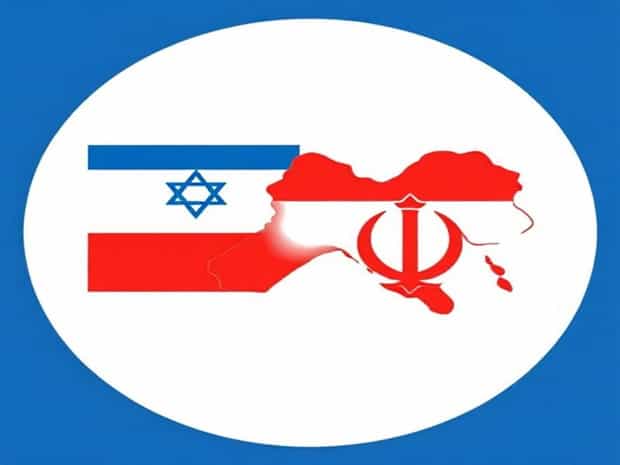
About Israel And Iran
Israel and Iran are two influential countries in the Middle East with a complex history of political, religious, and military interactions. Their relationship has been marked by tension, conflict, and competition for regional influence. Understanding the dynamics between Israel and Iran requires examining their historical context, political systems, foreign policies, and the factors that have contributed to their long-standing rivalry. This relationship also has broader implications for regional stability, international diplomacy, and global security.
Historical Background
The modern state of Israel was established in 1948, following the end of the British Mandate in Palestine and the aftermath of World War II. Iran, historically known as Persia until 1935, underwent significant political change in the 20th century, including the 1979 Islamic Revolution, which transformed it into an Islamic Republic under the leadership of Ayatollah Khomeini. Relations between Israel and Iran were initially cooperative during the 1950s to 1970s, particularly under the Shah of Iran, who maintained diplomatic and economic ties with Israel. However, the 1979 revolution drastically altered this relationship, as the new Iranian regime adopted a staunchly anti-Israel stance, framing Israel as an illegitimate state and a threat to the Muslim world.
Political Systems and Ideologies
Israel operates as a parliamentary democracy with a strong emphasis on individual rights, a multiparty system, and a market-based economy. Iran, by contrast, is a theocratic republic where ultimate authority rests with the Supreme Leader, and religious principles significantly influence political decisions. These ideological differences have contributed to their ongoing rivalry, with Israel promoting democratic values and strategic alliances with Western countries, while Iran emphasizes resistance to Western influence and support for Islamic movements in the region.
Foreign Policy and Regional Influence
Both countries have sought to expand their influence in the Middle East, often placing them in opposition. Israel’s foreign policy prioritizes security and countering threats from neighboring states and militant groups. It maintains strong alliances with the United States and other Western nations, leveraging military and economic partnerships to bolster its regional standing. Iran’s foreign policy focuses on projecting power through proxy groups, supporting organizations such as Hezbollah in Lebanon, Hamas in Gaza, and militias in Syria and Iraq. These actions create ongoing security challenges for Israel and contribute to tensions in the region.
Military Capabilities
Israel is known for its advanced military technology, including sophisticated air defense systems, intelligence capabilities, and nuclear deterrence. Iran has invested heavily in missile development, naval capabilities, and regional proxy forces to assert its influence. The military capabilities of both nations play a central role in their rivalry, with frequent warnings and threats escalating tensions over potential conflict scenarios.
Key Issues in Israel-Iran Relations
- Nuclear ProgramIran’s nuclear program has been a major point of contention. Israel views the development of nuclear weapons in Iran as an existential threat, while Iran insists its nuclear program is for peaceful purposes.
- Proxy ConflictsBoth nations engage indirectly through regional conflicts. Israel targets Iranian forces and proxies in Syria, while Iran supports groups opposing Israel and its allies.
- Diplomatic IsolationIsrael works to maintain international support against Iran, highlighting concerns over regional security and nuclear proliferation. Iran, on the other hand, seeks to counteract diplomatic isolation through alliances with non-Western powers and regional actors.
- Religious and Ideological DifferencesIsrael is a Jewish state, while Iran’s leadership follows Shia Islam. Religious and ideological narratives influence policy decisions and fuel public perceptions of each other as adversaries.
Recent Developments
In recent years, tensions have remained high, with incidents such as cyberattacks, targeted killings, and military strikes in Syria and elsewhere. Israel has conducted operations against Iranian positions and weapons shipments, while Iran has expanded its influence in Iraq, Syria, and Lebanon. Diplomatic negotiations, such as those regarding the Joint Comprehensive Plan of Action (JCPOA), also highlight the complex interactions between the two nations, involving both direct and indirect engagement with global powers.
Impact on Global Security
The rivalry between Israel and Iran has significant implications for global security. Regional conflicts risk drawing in international actors, impacting energy markets, and increasing the likelihood of broader military confrontations. Both nations’ policies influence counterterrorism efforts, arms proliferation, and diplomatic strategies employed by major powers such as the United States, Russia, and European countries. Understanding Israel and Iran’s strategies is critical for assessing geopolitical stability in the Middle East and beyond.
Economic and Social Implications
The Israel-Iran rivalry also affects economic and social conditions in the region. Trade routes, investment opportunities, and regional cooperation are often constrained by security concerns. Populations in conflict zones, including Syria, Lebanon, and Gaza, face humanitarian challenges due to proxy conflicts and military engagements. The long-term rivalry has fostered an environment where economic development is intertwined with political and security considerations.
Israel and Iran represent two powerful and influential actors in the Middle East, whose historical, political, and ideological differences have created a longstanding rivalry. From early cooperation under the Shah to post-1979 antagonism, the relationship has evolved through military, political, and diplomatic dimensions. Key issues such as Iran’s nuclear program, regional proxy conflicts, and ideological differences continue to drive tensions. The impact of this rivalry extends beyond the region, affecting international security, diplomacy, and economic stability. Understanding the complex relationship between Israel and Iran is essential for analyzing Middle Eastern politics and anticipating future developments in global affairs.