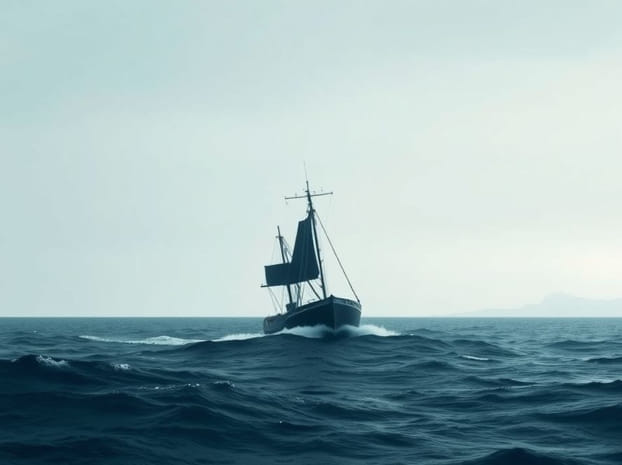
How Dangerous Is The Bering Sea
The Bering Sea, located between Alaska and Russia, is one of the most remote and challenging bodies of water on Earth. Known for its harsh climate, powerful storms, and icy conditions, it has a reputation as a dangerous area for navigation, fishing, and maritime activities. The sea plays a crucial role in global ecology, supporting a rich variety of marine life, including fish, seabirds, and marine mammals. However, its extreme weather patterns, strong currents, and seasonal ice make it a treacherous environment. Understanding the dangers of the Bering Sea is essential for fishermen, sailors, researchers, and anyone planning to explore this northern region.
Geography of the Bering Sea
The Bering Sea stretches over 2 million square kilometers and connects the Arctic Ocean to the north with the Pacific Ocean to the south. It is bordered by Alaska on the east and Russia on the west, with the Bering Strait linking it to the Arctic. The sea has a relatively shallow continental shelf in the south, known as the Bering Shelf, and deeper waters in the north and west. Its location near the Arctic Circle means it experiences extreme seasonal changes, including long, dark winters and short, bright summers. These geographic factors contribute to the sea’s hazardous conditions.
Weather Conditions
The Bering Sea is notorious for severe weather. During winter, temperatures can drop well below freezing, and the sea is often covered by ice. Strong winds, frequent storms, and fog reduce visibility and make navigation extremely difficult. In summer, while ice recedes, powerful storms and rough seas remain common. These unpredictable weather patterns increase the risk of accidents for vessels and complicate rescue operations. The combination of freezing water, high winds, and poor visibility makes the Bering Sea particularly dangerous for fishing vessels and cargo ships.
Dangerous Features of the Bering Sea
Several factors contribute to the Bering Sea’s danger, including natural, environmental, and human-related hazards. Mariners must consider all these aspects when venturing into the area.
Ice and Cold Water
One of the primary dangers in the Bering Sea is ice. Seasonal sea ice can trap vessels, damage hulls, and create hazardous navigation conditions. Cold water temperatures, often below 0°C in winter, pose a risk of hypothermia for anyone who falls overboard. Ice floes and pack ice are particularly unpredictable, moving with currents and wind, which can surprise even experienced sailors. Icebergs, while less common than in other northern seas, can still pose serious threats to ships operating in the region.
Rough Seas and Strong Currents
The Bering Sea experiences some of the roughest waters in the world. Strong currents, tidal variations, and frequent storms create high waves that can capsize small boats or damage larger vessels. These rough seas also make it difficult for rescue teams to reach ships in distress. The combination of strong currents and shallow areas in the southern Bering Shelf creates unpredictable waves and eddies, which are particularly hazardous for fishing boats operating near the coast.
Storms and Fog
Storms in the Bering Sea can be violent and sudden, with wind speeds exceeding 100 kilometers per hour. Blizzards and snowstorms during winter reduce visibility and increase the risk of collisions with other vessels or ice formations. Fog is common in both summer and winter, making navigation challenging and increasing the likelihood of maritime accidents. Mariners rely heavily on radar and GPS to avoid dangers, but electronic equipment can fail in extreme weather.
Marine Hazards
The Bering Sea is home to abundant marine life, including whales, seals, and large schools of fish. While this biodiversity supports a thriving fishing industry, it also creates hazards. Large marine animals can collide with vessels, and thick concentrations of fish near the surface can affect the maneuverability of boats. Additionally, floating debris and driftwood carried by currents and ice present additional risks to navigation.
Human Factors and Safety Risks
In addition to natural dangers, human factors make the Bering Sea particularly risky. Many fishermen and sailors venture into the area for lucrative catches of crab, salmon, and other seafood. The high demand for these resources encourages extended trips during dangerous conditions, increasing the risk of accidents. Inexperienced crews, aging vessels, and inadequate safety equipment further heighten the dangers of operating in the Bering Sea.
- Overcrowding of vessels during peak fishing seasons can lead to collisions.
- Poorly maintained ships may fail in extreme weather or ice conditions.
- Long distances from ports and limited emergency services make rescues difficult.
- High pressure to meet quotas can encourage risky decisions in dangerous conditions.
Historical Incidents Highlighting Danger
Numerous incidents over the years have illustrated the Bering Sea’s dangers. Fishing vessels have capsized due to storms or ice, leading to tragic losses of life. Shipping accidents, collisions with icebergs, and equipment failures during harsh weather conditions are not uncommon. Search and rescue operations are often delayed by the remote location, extreme weather, and rough seas. These incidents underline the importance of preparation, modern navigation tools, and safety measures for anyone venturing into the Bering Sea.
Safety Measures for Navigating the Bering Sea
While the Bering Sea is extremely dangerous, certain measures can reduce risks. Mariners are advised to
- Monitor weather forecasts and ice conditions closely.
- Use reinforced vessels designed to withstand ice and rough seas.
- Carry emergency equipment, including life jackets, survival suits, and communication devices.
- Receive proper training for operating in cold, stormy, and foggy conditions.
- Plan routes carefully to avoid ice-prone areas and strong currents.
Ecological and Economic Importance Despite Danger
Despite its dangers, the Bering Sea is vital for ecology and the economy. It supports one of the world’s richest fishing grounds, supplying seafood for both domestic and international markets. Its nutrient-rich waters sustain diverse ecosystems, including fish, seabirds, and marine mammals. The sea’s harsh environment has not deterred humans entirely; instead, it has led to the development of specialized vessels, safety protocols, and knowledge about surviving in extreme conditions. Balancing economic activity with safety and environmental preservation is key to operating successfully in the Bering Sea.
The Bering Sea is among the most dangerous seas in the world due to its extreme weather, ice, rough waters, strong currents, and remoteness. Mariners face multiple hazards, including freezing temperatures, ice floes, storms, fog, and human-related risks. Historical incidents demonstrate that even experienced crews can encounter life-threatening situations. Despite these challenges, the Bering Sea remains ecologically and economically significant, supporting rich marine life and a robust fishing industry. Understanding its dangers, implementing safety measures, and respecting the sea’s harsh conditions are essential for anyone operating in this remote northern region.
In summary, the Bering Sea’s combination of natural hazards and human pressures makes it a highly dangerous environment. Its storms, ice, strong currents, and isolation require preparation, skill, and specialized equipment for safe navigation. While the risks are significant, the sea’s ecological richness and economic potential continue to attract mariners, researchers, and fishing industries, highlighting the delicate balance between opportunity and danger in one of the world’s most formidable maritime regions.