How Big Are The Falkland Islands
The Falkland Islands are a remote and intriguing group of islands located in the South Atlantic Ocean, known for their rugged landscapes, abundant wildlife, and strategic location. Understanding the size of the Falkland Islands helps provide context for their ecological diversity, population distribution, and economic potential. While often portrayed in media as a small and isolated territory, the islands cover a significant land area, offering varied terrain from rolling hills and rocky coasts to expansive grasslands. Measuring their size is essential not only for geography enthusiasts but also for researchers, tourists, and policymakers interested in this unique archipelago.
Geographical Overview
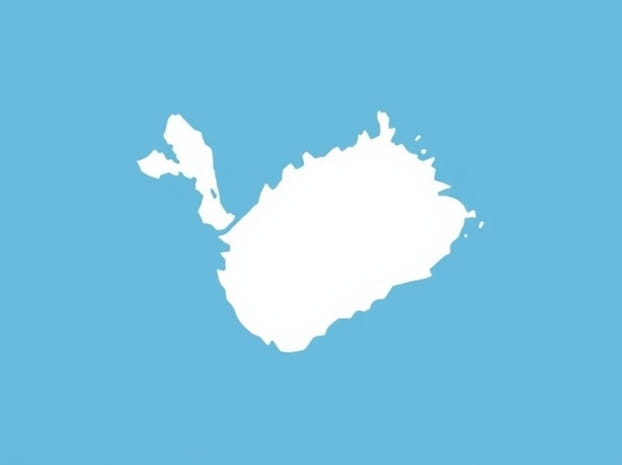
The Falkland Islands, a British Overseas Territory, are situated about 300 miles east of the southern tip of South America. The archipelago consists of two main islands, East Falkland and West Falkland, along with around 776 smaller islands, many of which are uninhabited. The islands are scattered over roughly 12,200 square miles of ocean, yet the total land area of the archipelago is approximately 4,700 square miles. This distribution of land and sea emphasizes the islands’ role as both a terrestrial and maritime environment, influencing climate, biodiversity, and human activity.
Main Islands East Falkland and West Falkland
East Falkland is the largest island, covering around 2,700 square miles. It is home to the capital, Stanley, which hosts most of the population, administrative centers, and services. The island’s terrain is characterized by undulating hills, fjords, and a rugged coastline, providing habitats for diverse wildlife such as penguins, seals, and seabirds. Its fertile valleys also support sheep farming, which has been a major economic activity on the islands for over a century.
West Falkland, slightly smaller at approximately 1,600 square miles, features a more mountainous landscape with higher peaks and fewer settlements. Despite its smaller population, West Falkland is important for livestock farming and conservation efforts, providing sanctuary for native birds and other wildlife. Both main islands together form the core of the archipelago, but the smaller islands contribute significantly to biodiversity and environmental research.
Smaller Islands and Islets
In addition to East and West Falkland, the archipelago includes hundreds of smaller islands, ranging from relatively large islands like Saunders Island and Sea Lion Island to tiny rocky outcrops. These smaller islands are often uninhabited but play crucial roles in wildlife conservation, particularly for seabirds, penguins, and seals. Some of these islands are protected reserves, allowing scientists to study ecosystems that have remained relatively untouched by human activity.
- Saunders IslandLocated near West Falkland, it covers around 45 square miles and is known for its large seabird colonies.
- Sea Lion IslandSituated to the southeast, this 24-square-mile island is famous for sea lion breeding grounds and visitor eco-tourism.
- Bleaker IslandA 20-square-mile island home to diverse plant life and migratory birds.
Population Distribution
The size of the Falkland Islands influences population distribution and settlement patterns. With a total population of approximately 3,400 people, most residents live on East Falkland, particularly in and around Stanley. West Falkland has smaller settlements, including Port Howard and Fox Bay, which support sheep farming and limited infrastructure. The scattered smaller islands are largely uninhabited, though some are visited seasonally by researchers and conservationists. Understanding the islands’ size is crucial for planning infrastructure, transportation, and emergency services across the archipelago.
Transport and Accessibility
The archipelago’s size affects transportation logistics and accessibility. East and West Falkland are connected by a ferry service that transports vehicles and passengers across the Falkland Sound. Smaller islands are accessible mainly by boat or small aircraft, with airstrips located on several islands to support travel and scientific research. The islands’ spread over thousands of square miles of ocean emphasizes the importance of careful planning for connectivity, whether for tourism, research, or logistics.
Climate and Environmental Impact
The size of the Falkland Islands also shapes their climate and environmental conditions. The islands experience a cool, temperate maritime climate, with strong winds, mild summers, and relatively cold winters. The larger islands’ size allows for varied microclimates, from sheltered valleys on East Falkland to exposed mountain slopes on West Falkland. This diversity affects vegetation patterns, wildlife habitats, and agricultural practices, making it necessary to consider the islands’ size when assessing environmental management and conservation strategies.
Wildlife and Conservation
The extensive land area of the Falkland Islands supports a rich variety of wildlife. The islands are renowned for penguin colonies, including Magellanic, gentoo, and rockhopper species. Seals, albatrosses, and other seabirds thrive in the remote areas, particularly on smaller islands that are protected from human disturbance. Conservation efforts depend on understanding the total land area and habitat distribution, ensuring that sensitive species are preserved and sustainable practices are implemented for both farming and tourism.
- Penguin colonies thrive on the larger and smaller islands, often in areas difficult for humans to reach.
- Seabird nesting areas require protection, particularly on isolated islets.
- Sheep farming is managed carefully to prevent overgrazing and maintain soil and vegetation health.
Economic Significance
The size of the Falkland Islands allows for a combination of economic activities that balance development and conservation. Sheep farming remains a cornerstone of the economy, with wool and meat production utilizing the extensive grasslands. Fisheries, both commercial and sustainable, benefit from the surrounding ocean area. Tourism has grown in importance, attracting visitors who come to explore the islands’ wildlife, history, and scenic landscapes. The archipelago’s size provides the space necessary for these economic activities to coexist with environmental preservation efforts.
Strategic and Historical Importance
Beyond geography and ecology, the Falkland Islands’ size and location have strategic significance. The islands were the site of a conflict between Argentina and the United Kingdom in 1982, largely due to their remote location and control over surrounding maritime territories. The archipelago’s total area, combined with its surrounding waters, remains important for military, scientific, and economic considerations. Understanding the size of the islands helps contextualize these historical events and ongoing strategic relevance.
The Falkland Islands, spanning roughly 4,700 square miles of land across two main islands and hundreds of smaller ones, are much more than a remote outpost in the South Atlantic. Their size influences geography, population distribution, climate, wildlife habitats, and economic activities. From the rugged hills and fertile valleys of East Falkland to the mountainous terrain of West Falkland and the numerous smaller islands that support rich biodiversity, the archipelago presents a unique combination of natural beauty and human activity. Understanding how big the Falkland Islands are allows for greater appreciation of their ecological importance, strategic location, and cultural significance.
Exploring the Falklands’ size also provides context for tourism, research, and conservation, highlighting the need to balance human activity with environmental protection. Whether through studying wildlife, enjoying scenic landscapes, or learning about the islands’ history, the scale of the Falklands plays a crucial role in shaping the experiences of residents, visitors, and scientists alike. The archipelago’s size ensures that every hill, valley, and remote islet contributes to the overall character and significance of this remarkable territory.