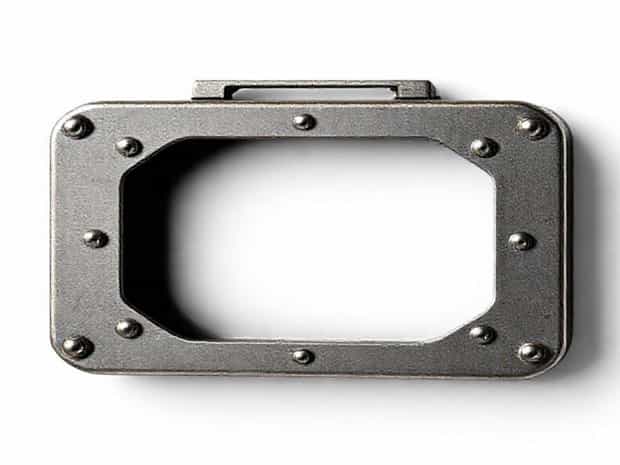
Hollow Metal Cased Opening
Hollow metal cased openings are an essential component in modern construction and architectural design, providing both durability and versatility for doorways, windows, and other structural openings. These openings, which feature a hollow metal frame, are widely used in commercial, institutional, and industrial buildings due to their strength, fire resistance, and long-lasting performance. Unlike traditional wood or concrete frames, hollow metal cased openings offer superior protection against wear and impact, while allowing for a sleek, professional finish that complements various design aesthetics. Understanding their construction, benefits, installation methods, and applications is crucial for architects, contractors, and building owners seeking functional and aesthetically pleasing solutions.
Understanding Hollow Metal Cased Openings
A hollow metal cased opening consists of a metal frame, typically made from steel or aluminum, that surrounds a doorway or window opening. The frame is hollow, which reduces weight while maintaining strength and rigidity. These frames can be customized to fit standard or non-standard openings and are often paired with metal or wood doors to create a complete opening system.
Components of a Hollow Metal Cased Opening
The key components of a hollow metal cased opening include the following
- Metal FrameThe structural backbone of the opening, made from hollow steel or aluminum, designed to withstand impact and support door hardware.
- Door StopsIntegrated or added stops that help align doors and ensure proper closure.
- Hinges and HardwareHollow metal frames accommodate heavy-duty hinges and locking mechanisms for security and durability.
- Fire Rating ComponentsMany hollow metal openings are fire-rated, featuring special insulation or sealing to comply with building codes.
Materials Used
Steel is the most common material for hollow metal cased openings due to its strength, resistance to warping, and ability to withstand high traffic areas. Aluminum frames are also used when a lighter weight is necessary, such as in curtain walls or interior partitions. Both materials can be finished with powder coating, paint, or laminate to match interior or exterior design requirements.
Advantages of Hollow Metal Cased Openings
Hollow metal cased openings offer a wide range of advantages over traditional framing methods. These benefits make them a preferred choice in commercial and institutional settings.
Durability and Strength
One of the primary benefits of hollow metal openings is their exceptional durability. Steel and aluminum frames resist dents, scratches, and deformation, ensuring that the opening maintains its structural integrity even in high-traffic environments.
- Suitable for schools, hospitals, and office buildings where frequent use occurs.
- Resistant to impact and environmental wear, including moisture and temperature fluctuations.
Fire Resistance and Safety
Hollow metal cased openings can be designed to meet fire safety standards. Steel frames, combined with fire-rated doors, provide protection against the spread of fire, smoke, and heat. These features are crucial for maintaining building safety and complying with fire codes.
- Fire-rated hollow metal openings can provide 20 to 90 minutes of fire resistance depending on construction and materials.
- Enhanced safety for occupants in case of emergencies.
Versatility and Design Flexibility
Hollow metal cased openings are highly versatile. They can be manufactured in various sizes, shapes, and finishes to match architectural designs. Whether used for standard doors, double doors, or large entryways, these frames can be tailored to meet specific project requirements.
- Available in custom sizes for irregular openings or retrofitting older structures.
- Compatible with a wide range of door types, including wood, metal, and glass.
Installation of Hollow Metal Cased Openings
Proper installation is essential to maximize the benefits of hollow metal cased openings. The process typically involves precise measurement, secure anchoring, and alignment to ensure structural stability and aesthetic appeal.
Preparation
Before installation, the opening must be properly prepared. This includes verifying dimensions, removing debris, and ensuring that the surrounding wall or partition is structurally sound. Accurate measurements prevent misalignment and future operational issues with doors or windows.
Frame Installation
The hollow metal frame is inserted into the prepared opening and anchored securely using mechanical fasteners, welds, or expansion anchors. Care is taken to ensure the frame is plumb, level, and square, which is critical for proper door operation and long-term durability.
Finishing and Adjustments
After installation, the opening may be finished with paint, powder coating, or other decorative elements. Doors are hung and hardware is installed, with adjustments made to ensure smooth operation and proper alignment. Fire-rated frames require additional sealing or intumescent strips to meet safety codes.
Applications of Hollow Metal Cased Openings
Hollow metal cased openings are widely used across multiple building types due to their durability, safety, and design flexibility.
Commercial Buildings
Offices, retail stores, and corporate facilities often use hollow metal openings to provide strong, long-lasting entryways. Their resistance to high traffic and wear makes them ideal for these environments.
Institutional Facilities
Schools, hospitals, and government buildings rely on hollow metal cased openings for both security and fire safety. Their robust construction ensures that doors and windows perform reliably under daily use.
Industrial and Manufacturing Settings
In warehouses, factories, and other industrial spaces, hollow metal openings provide durability against frequent use, heavy equipment, and potential impact. They are often paired with reinforced doors for added security.
Maintenance and Longevity
Hollow metal cased openings require minimal maintenance compared to traditional wood or concrete frames. Regular cleaning, occasional inspection of hardware, and touch-ups to painted or coated surfaces are typically sufficient to maintain their appearance and performance over many years.
- Inspect frames annually for signs of rust or damage.
- Lubricate hinges and locks to ensure smooth operation.
- Address any scratches or chips in the coating to prevent corrosion.
Hollow metal cased openings provide a practical, durable, and versatile solution for modern construction. Their strength, fire resistance, and ability to accommodate various design requirements make them a preferred choice for commercial, institutional, and industrial buildings. Proper installation, combined with routine maintenance, ensures that these openings offer long-term functionality and aesthetic appeal. From enhancing building safety to supporting high-traffic usage, hollow metal cased openings are an essential component in creating secure, efficient, and visually appealing architectural spaces.