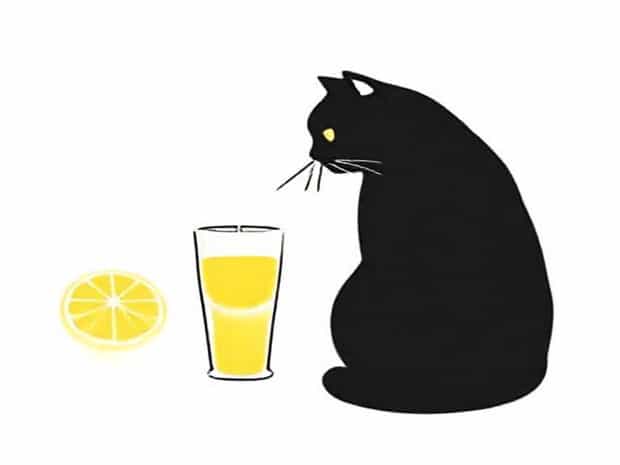
Lemon Juice To Deter Cats
Keeping cats away from certain areas of your home or garden can be challenging, especially when conventional deterrents fail. Many cat owners and gardeners are seeking natural, non-toxic solutions that are safe for both pets and the environment. One of the most effective and widely recommended methods involves using lemon juice. Cats have a sensitive sense of smell, and the strong, acidic scent of lemon is unpleasant to them. By understanding how to use lemon juice to deter cats, you can protect your plants, furniture, and outdoor spaces without causing harm, while maintaining a cat-friendly environment elsewhere.
Why Lemon Juice Works as a Cat Deterrent
Lemon juice is rich in citric acid, which emits a strong, pungent odor. Cats have a highly developed olfactory system that is far more sensitive than that of humans. The sharp scent of lemon overwhelms their sense of smell, making areas treated with lemon juice uncomfortable for them to approach. Unlike chemical repellents, lemon juice is natural, non-toxic, and eco-friendly, making it an ideal choice for households with pets, children, or edible plants.
Benefits of Using Lemon Juice
- Natural and safe for humans and pets
- Easy to apply and widely available
- Cost-effective compared to commercial cat repellents
- Non-toxic and environmentally friendly
- Can be combined with other natural deterrents for enhanced effectiveness
How to Use Lemon Juice to Deter Cats
Using lemon juice effectively requires proper application techniques to ensure that cats are discouraged from entering specific areas. There are several ways to apply lemon juice, depending on whether you are targeting outdoor gardens, indoor furniture, or other spaces.
Spraying Lemon Juice
One of the simplest methods is to dilute lemon juice with water in a spray bottle and apply it to the target area. This method works well for garden beds, window sills, and outdoor furniture. To create an effective spray, mix equal parts of lemon juice and water. Shake the bottle well and spray the solution generously on surfaces you want to protect. Reapply regularly, especially after rain or watering, to maintain its potency.
Lemon Peels
Another effective approach is to use fresh lemon peels. Scatter peels around garden beds, flower pots, or areas where cats frequently roam. The natural oils in the peels emit a strong citrus scent that cats find unpleasant. As the peels dry, they continue to release aroma over several days, making this a low-maintenance deterrent.
Lemon Juice Soaked Cloths
You can also soak cloths or rags in lemon juice and place them strategically around the area you want to protect. This is particularly effective for indoor use or around furniture. The cloths release a continuous citrus scent, creating a barrier that discourages cats from approaching.
Combining Lemon Juice with Other Natural Deterrents
For increased effectiveness, lemon juice can be combined with other natural cat deterrents. Some common combinations include
- VinegarMixing lemon juice with vinegar enhances the strong scent that cats dislike.
- Essential OilsAdding a few drops of essential oils like citronella or eucalyptus can create an even more potent deterrent.
- HerbsPlanting cat-repelling herbs such as rue, lavender, or rosemary alongside lemon juice applications can further discourage cats from entering gardens.
Precautions When Using Lemon Juice
While lemon juice is natural and non-toxic, it is important to use it responsibly to avoid potential damage to plants, furniture, or flooring. Pure lemon juice is acidic and can burn delicate plant leaves or stain certain surfaces. Always dilute lemon juice with water when spraying or soaking cloths, and test small areas first to ensure that no damage occurs. Avoid direct contact with pets’ eyes or skin, as the acidity can cause irritation.
Reapplication and Consistency
Lemon juice is not a permanent solution. Cats are intelligent and may return if the scent diminishes. For best results, reapply the solution regularly, especially after rainfall or watering in outdoor areas. Consistency is key to reinforcing the boundary and training cats to avoid specific spaces.
Indoor Use of Lemon Juice
Lemon juice is also effective indoors, where cats may scratch furniture, counters, or plants. Use diluted lemon juice in a spray bottle to lightly mist surfaces, avoiding areas that could be damaged by acidity. Placing lemon-soaked cotton balls or cloths in corners or on shelves can also discourage cats from frequenting these areas.
Furniture Protection
If your cat scratches sofas or chairs, lightly spray diluted lemon juice on protective covers or nearby surfaces. Over time, your cat will associate these areas with the unpleasant citrus scent and reduce unwanted behavior.
Plant Protection
Indoor plants can benefit from lemon juice deterrents as well. Applying lemon juice around the base of pots or placing lemon peels on the soil surface can help keep curious cats from digging in the soil.
Outdoor Garden Protection
Gardens are especially vulnerable to cats digging in soil or damaging plants. Lemon juice can be used to protect flower beds, vegetable gardens, and other sensitive areas.
Application Tips for Gardens
- Spray diluted lemon juice around the perimeter of garden beds.
- Scatter lemon peels throughout the soil or on pathways.
- Combine lemon juice with other cat-repelling plants for added protection.
- Reapply after rain or heavy watering to maintain effectiveness.
Lemon juice is a versatile, natural, and effective way to deter cats from unwanted areas, whether indoors or in the garden. By leveraging its strong citrus scent, homeowners and gardeners can protect plants, furniture, and personal spaces without resorting to harmful chemicals or aggressive deterrents. Proper application, consistency, and combining lemon juice with other natural methods enhance its effectiveness. With careful use and reapplication, lemon juice provides a safe, eco-friendly solution to cat-related nuisances, making it a valuable tool for anyone seeking to maintain a harmonious environment for both their pets and their living spaces.