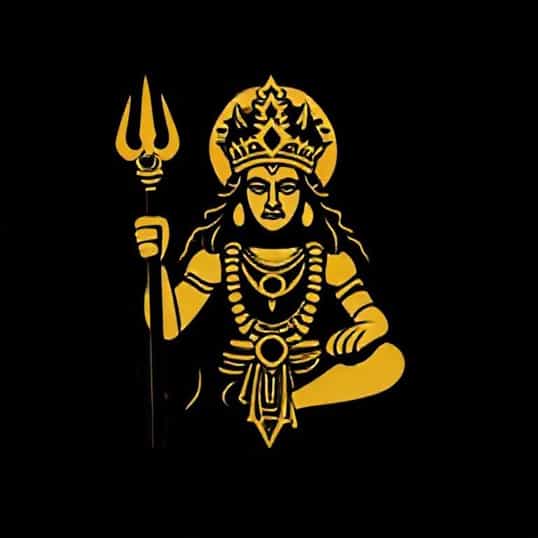
Legend Of Prince Rama
The legend of Prince Rama is one of the most enduring and celebrated stories in ancient Indian mythology, forming the core narrative of the epic Ramayana. Prince Rama is revered as a symbol of virtue, honor, and unwavering devotion to duty. His story encompasses themes of love, loyalty, righteousness, and the triumph of good over evil. As a cultural and spiritual icon, Rama’s life and adventures have inspired generations through literature, performance arts, and religious traditions. The tale of Prince Rama is not only a heroic saga but also a profound guide for moral and ethical conduct, illustrating the principles of dharma in human life.
Origins and Early Life of Prince Rama
Prince Rama was born to King Dasharatha and Queen Kaushalya in the kingdom of Ayodhya. From an early age, Rama demonstrated exceptional qualities of intelligence, courage, and compassion, making him a beloved figure among his family and subjects. As the eldest son of King Dasharatha, he was groomed to inherit the throne and was trained in the art of warfare, governance, and spiritual discipline. Rama’s childhood is marked by his respect for elders, his devotion to learning, and his commitment to righteousness, which set the foundation for his later heroic deeds.
Marriage to Sita
One of the pivotal events in Rama’s life is his marriage to Sita, the princess of Mithila. Sita, renowned for her beauty, wisdom, and devotion, was chosen by Rama after a challenging contest of strength and skill known as the bow contest. Their marriage represents not only the union of two virtuous individuals but also the ideals of loyalty, love, and mutual respect. Sita and Rama’s relationship becomes central to the narrative of the Ramayana, illustrating the power of love and devotion in overcoming life’s challenges.
The Exile of Rama
Despite being the rightful heir to the throne of Ayodhya, Prince Rama was exiled to the forest for fourteen years due to a promise made by King Dasharatha to his youngest queen, Kaikeyi. This period of exile is a defining moment in the legend, highlighting Rama’s adherence to duty and moral principles even in the face of personal loss. Accompanied by Sita and his loyal brother Lakshmana, Rama’s time in the forest is filled with encounters with sages, mystical beings, and challenges that test his courage, patience, and wisdom.
Encounters with Demons
During his exile, Rama faced numerous battles against powerful demons and malevolent forces threatening the peace of the forest and nearby kingdoms. These confrontations demonstrate his valor, strategic acumen, and divine strength. Each victory reinforced his reputation as a heroic and righteous prince, gaining admiration from allies and instilling fear in enemies. The tales of these battles also serve to highlight the moral principle that good ultimately triumphs over evil through courage, determination, and adherence to dharma.
The Abduction of Sita
The most dramatic and crucial episode in Rama’s legend is the abduction of Sita by the demon king Ravana, who ruled the kingdom of Lanka. Ravana, captivated by Sita’s beauty and virtue, kidnapped her, setting in motion a sequence of events that would test Rama’s resolve, leadership, and devotion. This act of evil serves as the central conflict in the Ramayana and underscores the themes of loyalty, perseverance, and the moral responsibility to combat injustice.
Alliance with Hanuman and the Vanara Army
To rescue Sita, Rama formed alliances with various beings, most notably Hanuman, the devoted monkey god, and the Vanara army. Hanuman’s loyalty, courage, and supernatural abilities became instrumental in locating Sita and devising a strategy to confront Ravana. This alliance emphasizes the importance of friendship, trust, and collaboration in overcoming formidable challenges. The exploits of Hanuman and the Vanara army are legendary in their own right, showcasing acts of heroism, intelligence, and devotion that complement Rama’s leadership.
The Battle of Lanka
The climax of the legend is the epic battle between Rama’s forces and Ravana’s army in Lanka. This war is not merely a physical confrontation but also a symbolic struggle between good and evil. Rama’s tactical genius, bravery, and divine strength play a critical role in defeating Ravana and liberating Sita. The battle emphasizes key virtues such as courage, honor, and the unwavering commitment to justice. Rama’s victory reaffirms the principle that righteousness, guided by wisdom and morality, can overcome even the most formidable adversaries.
Rescue and Return
After the defeat of Ravana, Rama successfully rescues Sita and returns to Ayodhya, where he is welcomed with joy and celebration. Their return signifies the restoration of order, justice, and moral balance. Rama’s coronation as king of Ayodhya marks the culmination of his journey and the fulfillment of his duty as a righteous ruler. The narrative underscores the rewards of patience, devotion, and adherence to ethical principles, providing timeless lessons for readers and listeners alike.
Moral and Spiritual Lessons
The legend of Prince Rama is rich with moral and spiritual lessons. His life exemplifies dharma, the ethical duty and righteous path, illustrating how individuals should act with integrity, compassion, and courage. Rama’s devotion to family, loyalty to friends, and protection of the innocent demonstrate the importance of moral responsibility. The story also teaches that challenges and adversities are opportunities to practice virtue, and that true strength lies in wisdom, patience, and ethical conduct rather than mere physical power.
Symbolism of Rama
Prince Rama is more than a historical or mythological figure; he symbolizes the ideal human being who balances personal desires with moral obligations. His character serves as a guide for ethical living, emphasizing the importance of honesty, selflessness, and respect for others. In cultural and religious contexts, Rama is revered as an incarnation of divinity, embodying the qualities that humans should strive to cultivate in their own lives.
Cultural Impact and Legacy
The story of Prince Rama has had a profound influence on literature, art, theater, and religious practice throughout South Asia and beyond. The Ramayana, the epic recounting Rama’s life, has been retold in countless languages and adapted into various artistic forms including dance, theater, and film. Festivals like Diwali celebrate his return to Ayodhya, while Hanuman Jayanti honors the devotion of his loyal companion. The legend continues to inspire moral reflection, spiritual devotion, and artistic expression worldwide.
Global Influence
Beyond India, the legend of Rama has found resonance in Southeast Asia, including Thailand, Indonesia, and Cambodia, where local adaptations of the Ramayana are integral to cultural traditions. The values exemplified by Rama, such as duty, courage, and devotion, have universal appeal, making his story relevant across diverse cultural and historical contexts.
The legend of Prince Rama is a timeless narrative that combines heroism, morality, and spiritual guidance. From his birth in Ayodhya to his exile, battles, and eventual triumph, Rama’s life illustrates the principles of virtue, duty, and righteousness. His unwavering devotion to dharma, loyalty to loved ones, and courage in the face of adversity provide enduring lessons for individuals seeking to lead ethical and meaningful lives. The legacy of Rama continues to shape cultural, literary, and spiritual landscapes, inspiring generations to uphold justice, honor, and compassion in their own lives.