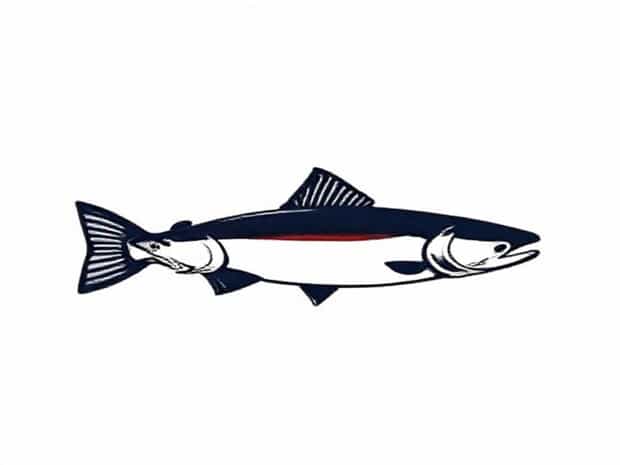
King Salmon Vs Chinook
The terms King Salmon” and “Chinook Salmon” are often used interchangeably, which can cause some confusion among anglers, chefs, and seafood enthusiasts. Both refer to the same species of salmon, scientifically known as Oncorhynchus tshawytscha, renowned for their impressive size, rich flavor, and high oil content. Understanding the nuances of King Salmon versus Chinook Salmon involves exploring their habitat, life cycle, nutritional value, culinary uses, and conservation status. Appreciating these details helps consumers make informed choices and allows anglers to identify and respect this remarkable fish during fishing season.
Scientific Classification and Naming
King Salmon and Chinook Salmon are identical in terms of species classification. The scientific name, Oncorhynchus tshawytscha, places them in the Pacific salmon family, which includes sockeye, coho, pink, and chum salmon. The name “Chinook” originates from the Chinook people of the Pacific Northwest, where the fish has historically been abundant. “King Salmon” is a common marketing term used to emphasize its status as the largest and most prized Pacific salmon. Both names refer to the same species, but the use of one term over the other often depends on regional or commercial preferences.
Physical Characteristics
King Salmon are distinguished by their large size, robust bodies, and powerful tails. They are typically the largest species of Pacific salmon, with adult fish ranging from 10 to 50 pounds, though some can exceed 100 pounds in exceptional cases. Their skin is generally silvery with a bluish-green back, and they have black spots on their back and tail. During spawning, their coloration can shift to shades of red, purple, or green, and their teeth and jaws become more pronounced. Anglers prize King Salmon for their strength and size, making them a challenging and rewarding catch.
Size and Weight Comparison
While both names refer to the same species, King Salmon are notable for being significantly larger than other salmon species. By comparison, coho salmon usually weigh 8 to 12 pounds, and sockeye rarely exceed 15 pounds. The size advantage of King Salmon contributes to their culinary appeal, as their flesh is thick, flavorful, and ideal for grilling, smoking, or baking. The combination of size and fat content makes them versatile for various cooking methods.
Habitat and Distribution
King Salmon are native to the North Pacific Ocean and associated rivers along the coasts of North America and Asia. In North America, they are found from California to Alaska, with large populations in the Columbia River, Yukon River, and the coastal streams of Alaska. Chinook Salmon spend most of their life in the ocean but migrate to freshwater rivers to spawn. Their migratory behavior allows them to travel thousands of miles between feeding and spawning grounds, which contributes to their strong, muscular build and rich flavor.
Freshwater vs. Saltwater Life
Like all Pacific salmon, King Salmon undergo anadromous migration, meaning they hatch in freshwater, migrate to the ocean to grow and mature, and return to freshwater to spawn. During their ocean phase, they feed extensively on smaller fish, squid, and crustaceans, accumulating fat and nutrients. This ocean feeding period is critical for developing the high oil content that gives King Salmon their distinctive taste and texture. When they return to freshwater to spawn, they stop feeding, relying on stored energy reserves to complete their journey and reproduce.
Nutritional Value
King Salmon, or Chinook Salmon, are prized for their high nutritional content. They are an excellent source of omega-3 fatty acids, protein, vitamin D, and essential minerals such as selenium and potassium. The oil-rich flesh not only enhances flavor but also offers numerous health benefits, including cardiovascular support, improved brain function, and reduced inflammation. A typical 3-ounce serving of cooked King Salmon provides approximately 175 to 200 calories, with 20 grams of protein and over 1,000 milligrams of omega-3 fatty acids, making it one of the most nutrient-dense fish available.
Comparison with Other Salmon Species
When compared to coho, sockeye, or pink salmon, King Salmon has the highest fat content and caloric value. This higher oil content makes the flesh richer and more buttery, which is highly valued in culinary applications. While sockeye offers a firmer texture and vibrant red color, it lacks the same fat content, resulting in a milder taste. Coho falls somewhere in between, offering moderate fat and flavor, but King Salmon remains the gold standard for both taste and nutritional density.
Culinary Uses
King Salmon is highly versatile in cooking due to its firm, oily flesh, which retains moisture and flavor under various preparation methods. Its richness makes it ideal for grilling, broiling, baking, smoking, and pan-searing. Sushi chefs also favor the species for its smooth texture and bright flavor, often using it for sashimi or nigiri. When preparing King Salmon, simple seasonings such as lemon, herbs, and light spices allow the natural flavor to shine.
Popular Recipes
- Grilled King Salmon with lemon and dill
- Smoked Chinook Salmon on bagels or salads
- Baked salmon fillets with garlic butter and herbs
- Seared King Salmon with soy-ginger glaze
Fishing and Conservation
King Salmon is a prized catch among anglers, but overfishing and habitat loss have affected some populations. Fisheries management programs regulate catch limits, seasons, and sizes to ensure sustainable populations. Hatchery programs supplement natural reproduction in certain rivers, helping maintain healthy stocks for both commercial and recreational fishing. Understanding conservation practices is essential for preserving this valuable species for future generations.
Recreational and Commercial Fishing
King Salmon are targeted in both recreational and commercial fisheries. Anglers prize them for their fighting ability, while commercial fisheries harvest them for the high-quality market demand. Management practices, including catch-and-release programs and quota systems, help balance recreational enjoyment with ecological sustainability. Responsible fishing ensures that King Salmon populations remain viable while continuing to provide economic and recreational benefits.
King Salmon and Chinook Salmon are different names for the same remarkable species, celebrated for their large size, rich flavor, and high nutritional value. Their life cycle, habitat, and migratory patterns contribute to their unique characteristics, making them a favorite among anglers and culinary enthusiasts. Whether enjoyed fresh, smoked, or cooked in a variety of dishes, King Salmon offers unparalleled taste and health benefits. Understanding the species’ biology, nutritional profile, and conservation needs enhances appreciation for this iconic fish, ensuring that future generations can continue to enjoy the remarkable King Salmon, also known as Chinook Salmon.