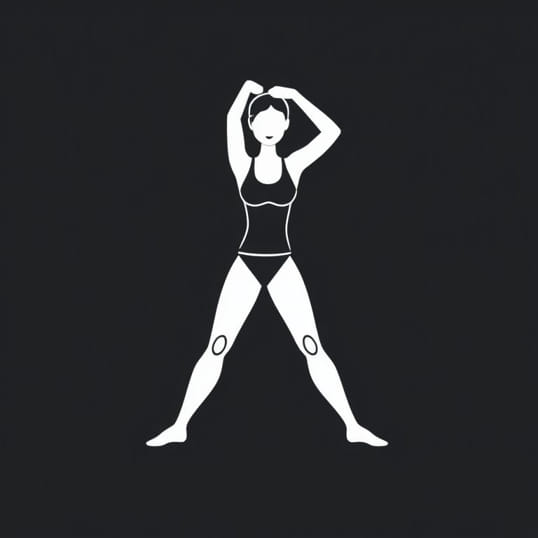
Full Body Flexibility Routine
Flexibility is one of the most essential aspects of fitness, but it is often overlooked in favor of strength and endurance. A full body flexibility routine can help improve mobility, reduce muscle stiffness, and enhance overall performance in daily activities or sports. Whether you are an athlete, a gym enthusiast, or someone who spends long hours at a desk, practicing flexibility exercises regularly can transform the way your body feels and moves. With the right stretches and consistency, you can prevent injuries, relieve tension, and achieve a better posture. Flexibility training is not just for advanced fitness lovers it is a fundamental practice for everyone who wants to move with ease and maintain long-term joint health.
Benefits of a Full Body Flexibility Routine
Incorporating stretching into your fitness program comes with several benefits. A complete flexibility routine ensures that all major muscle groups are addressed, creating balance and harmony throughout the body.
- Improves joint mobility and range of motion.
- Enhances blood circulation and muscle recovery after workouts.
- Supports better posture by releasing tight muscles.
- Reduces the risk of injury during physical activity.
- Relieves physical and mental stress by promoting relaxation.
How to Structure a Flexibility Routine
A well-rounded full body flexibility routine should include stretches for the upper body, lower body, and core. Each stretch can be held for 20-60 seconds, depending on your comfort level. For best results, practice flexibility exercises at least three to four times per week, or daily if possible.
Tips Before You Start
- Warm up with light activity like walking or jogging for 5-10 minutes.
- Avoid bouncing movements; hold each stretch steadily.
- Breathe deeply to allow muscles to relax during each stretch.
- Never push into pain gentle tension is enough.
Upper Body Flexibility Routine
The upper body is often prone to stiffness, especially in the shoulders, chest, and neck. A good full body flexibility routine should begin with stretches that release tension from these areas.
Neck Side Stretch
Sit or stand tall. Tilt your head to one side, bringing your ear toward your shoulder. Hold for 30 seconds and switch sides. This helps relieve tightness from long hours of sitting or screen use.
Chest Opener Stretch
Stand with your feet hip-width apart. Clasp your hands behind your back and gently lift them upward while pushing your chest forward. Hold for 20-30 seconds to open up the chest and shoulders.
Shoulder Cross Stretch
Extend one arm across your chest and hold it with your opposite hand. Keep shoulders relaxed and hold the stretch for 30 seconds on each side.
Triceps Stretch
Lift one arm overhead and bend the elbow, bringing your hand toward your upper back. Use your other hand to gently push the elbow downward. Hold for 20-30 seconds per side.
Lower Body Flexibility Routine
The lower body includes major muscle groups like hamstrings, quads, calves, and hips. Stretching these areas regularly helps improve mobility for walking, running, and sports.
Hamstring Forward Fold
Stand tall, then hinge at your hips and fold forward, reaching toward your toes. Keep knees slightly bent if needed. Hold for 30-45 seconds to stretch the hamstrings and lower back.
Quad Stretch
Stand on one foot and bring the other heel toward your glutes, holding it with your hand. Keep your knees close together and hold for 20-30 seconds on each leg.
Seated Butterfly Stretch
Sit on the floor with the soles of your feet pressed together. Gently push your knees toward the ground while keeping your back straight. Hold for 30-40 seconds to stretch the inner thighs.
Hip Flexor Lunge Stretch
Kneel on one leg with the other foot in front, forming a 90-degree angle. Lean forward slightly into the front leg, keeping your back straight. Hold for 30 seconds per side to stretch the hip flexors.
Calf Wall Stretch
Stand facing a wall with one foot forward and one back. Press the back heel into the ground while leaning toward the wall. Hold for 20-30 seconds and switch sides.
Core and Spine Flexibility Routine
The spine and core play a key role in stability and mobility. Stretching these areas supports better posture and reduces lower back discomfort.
Cat-Cow Stretch
Begin on all fours with hands under shoulders and knees under hips. Inhale, arch your back, and lift your head and tailbone (cow). Exhale, round your spine, and tuck your chin (cat). Repeat for 6-8 breaths.
Seated Spinal Twist
Sit on the floor with legs extended. Cross one leg over the other and place your foot flat on the ground. Twist your torso toward the bent knee, placing your opposite arm outside the thigh. Hold for 30 seconds per side.
Child’s Pose
Kneel on the floor and sit back on your heels. Stretch your arms forward on the ground and lower your forehead to the floor. Hold for 1-2 minutes for deep relaxation and spinal release.
Dynamic Flexibility Exercises
While static stretches are great for cooling down, dynamic flexibility exercises are helpful for warming up and preparing the body for movement. They involve controlled motions that take muscles through their full range of motion.
- Arm CirclesRotate your arms in small and large circles to loosen the shoulders.
- Leg SwingsSwing one leg forward and backward, then side to side, holding onto a support if needed.
- Walking Lunges with TwistStep into a lunge and twist your torso toward the front leg for a hip and core stretch.
Creating a Balanced Routine
To make your full body flexibility routine effective, it is important to target every major muscle group. A good session can last 20-30 minutes, covering stretches for the neck, shoulders, chest, back, hips, legs, and calves. You can also add foam rolling or yoga sessions to complement the flexibility training.
Common Mistakes to Avoid
Many people make errors when practicing flexibility exercises, which can limit results or cause discomfort. Here are some mistakes to watch out for
- Skipping warm-up before stretching.
- Bouncing or jerking during stretches.
- Holding breath instead of breathing deeply.
- Focusing only on one area and ignoring others.
- Pushing beyond the body’s natural limits.
A full body flexibility routine is a valuable addition to any fitness program. By including stretches for the upper body, lower body, and core, you can enhance mobility, reduce stiffness, and improve overall well-being. Regular practice helps you move more freely, maintain good posture, and prevent injuries. Whether performed as a warm-up, cooldown, or standalone session, flexibility training supports both physical and mental health. With patience and consistency, you can enjoy a stronger, more mobile, and more resilient body.