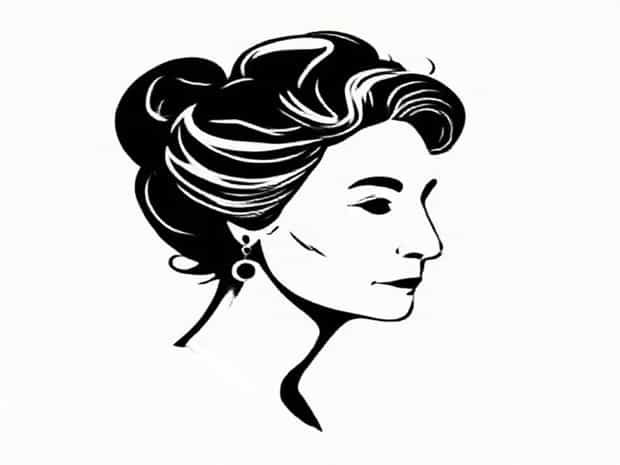
Jeanne Calment Doyenne Du Monde
Jeanne Calment is widely recognized as the oldest verified person in history, holding the title of doyenne du monde” for her extraordinary longevity. Born on February 21, 1875, in Arles, France, and passing away on August 4, 1997, she lived to the remarkable age of 122 years and 164 days. Her life spanned three centuries, allowing her to witness profound changes in technology, culture, and society. Jeanne Calment’s story has fascinated researchers, historians, and the general public, making her a symbol of human longevity and a subject of scientific study on aging and lifestyle factors contributing to an extended lifespan.
Early Life and Background
Jeanne Calment was born into a well-to-do family in Arles, a town in southern France. Her father was a storekeeper, and her mother came from a prosperous family. Growing up in a stable and supportive environment, Jeanne had access to education and cultural experiences that shaped her outlook on life. She developed interests in art, music, and sports, enjoying activities such as fencing and cycling, which she continued well into her later years. Her early life reflected a blend of discipline, curiosity, and engagement with the community, traits that some researchers believe may contribute to longevity.
Adulthood and Personal Life
Jeanne married Fernand Calment, a wealthy store owner, in 1896. The couple lived comfortably and had a daughter, Yvonne, who was born in 1898. Jeanne outlived both her husband and her daughter, which meant she experienced the loss of close family members yet maintained her health and mental faculties. Despite personal losses, Jeanne remained socially active and engaged in her community, often recounting anecdotes about historical events, famous artists, and notable personalities she encountered during her long life. Her resilience in the face of loss is one aspect that has intrigued gerontologists studying emotional and social factors in aging.
Life as the World’s Oldest Person
Jeanne Calment became a public figure later in her life, particularly after reaching her 100th birthday. She gained international attention when verified documents confirmed her age, earning her the distinction of the world’s oldest person. The term “doyenne du monde” highlights her status as the senior-most living individual globally, emphasizing not only her age but also her unique experiences across multiple generations. Researchers and media outlets alike were fascinated by her daily routines, dietary habits, and personal philosophies that may have contributed to her exceptional longevity.
Daily Habits and Lifestyle
Jeanne Calment’s lifestyle has been widely analyzed for clues about extreme longevity. She attributed her long life to moderate exercise, a diet rich in olive oil, and maintaining a positive outlook. She reportedly consumed chocolate regularly and enjoyed occasional glasses of port wine, demonstrating that moderation rather than strict restriction may be a key factor. Physical activity, such as cycling and walking, along with mental stimulation through reading, painting, and social interactions, likely contributed to her overall well-being. Her lifestyle habits continue to be cited in discussions about healthy aging.
Historical and Cultural Context
Living from 1875 to 1997, Jeanne Calment experienced extraordinary historical events and societal transformations. She lived through the invention of the automobile, two world wars, the introduction of electricity and telecommunication, and significant medical advancements. She personally met Vincent van Gogh as a young girl, an anecdote that captured public imagination and illustrated the breadth of her life experiences. Her life serves as a living bridge between eras, providing a rare perspective on history, culture, and technological progress from the 19th to the 20th century.
Scientific Verification of Longevity
Jeanne Calment’s age has been meticulously verified through birth and marriage certificates, census records, and other official documents. Her case is considered one of the most thoroughly documented instances of human longevity. Scientists studying her life aim to understand the genetic, environmental, and lifestyle factors that contributed to her extended lifespan. Her exceptional age has provided insights into aging processes, resilience, and potential limits of human longevity, offering a valuable case study for gerontology and related fields.
Impact on Research and Longevity Studies
The story of Jeanne Calment has influenced research in areas such as genetics, nutrition, and healthy lifestyle practices. Scientists study centenarians and supercentenarians to identify patterns that may help others achieve longer, healthier lives. Calment’s life emphasizes the importance of a combination of factors, including genetics, social engagement, physical activity, and mental stimulation. Her example has inspired studies on the role of optimism, stress management, and community involvement in promoting longevity.
Lessons from Jeanne Calment’s Life
- Maintain an active lifestyle, incorporating moderate exercise daily.
- Adopt a balanced and varied diet, including natural foods like olive oil.
- Engage in intellectual and creative activities to stimulate the mind.
- Build and maintain social connections to support emotional well-being.
- Approach life with humor, curiosity, and a positive attitude.
Legacy and Recognition
Jeanne Calment’s legacy extends beyond her record-breaking age. She symbolizes the potential of human longevity and serves as a source of inspiration for researchers, educators, and the general public. Museums, documentaries, and books have chronicled her life, emphasizing both her personal story and the scientific significance of her longevity. She continues to be celebrated as the “doyenne du monde,” reminding humanity of the possibilities inherent in life and the impact of lifestyle choices, resilience, and a positive outlook.
Cultural Influence
Her story has permeated popular culture, featuring in media reports, exhibitions, and academic discussions. Jeanne Calment’s experiences provide a tangible connection to history, illustrating how one person’s life can span multiple generations and epochs. Her persona encourages discussions on aging, quality of life, and the social and psychological aspects of living a long, fulfilling life.
Jeanne Calment, the “doyenne du monde,” represents a unique chapter in the history of human longevity. Her life, stretching over 122 years, offers valuable insights into the interplay of genetics, lifestyle, social engagement, and mental resilience. From her early life in Arles to her later years as a globally recognized figure, Jeanne’s story continues to inspire admiration and curiosity. Her habits, perspectives, and experiences provide lessons for anyone interested in aging gracefully, maintaining health, and living life to its fullest potential.
Her extraordinary journey reminds us that longevity is not solely a matter of genetics but also a reflection of how we live, adapt, and find joy in everyday life. Jeanne Calment’s legacy endures as a symbol of human potential, resilience, and the remarkable possibilities of a life well-lived, leaving an indelible mark on the study of aging and the cultural imagination worldwide.