Is Chapati Gluten Free
Chapati, a staple flatbread in many South Asian households, is often praised for its simplicity and versatility in meals. Many people who are trying to maintain a gluten-free diet or manage conditions like celiac disease wonder whether chapati can fit into their dietary restrictions. Traditionally made with whole wheat flour, chapati is inherently rich in gluten, which raises important questions for those seeking alternatives. Understanding the ingredients, preparation methods, and possible gluten-free substitutions is crucial for anyone aiming to enjoy this beloved bread without compromising health or taste.
What is Chapati?
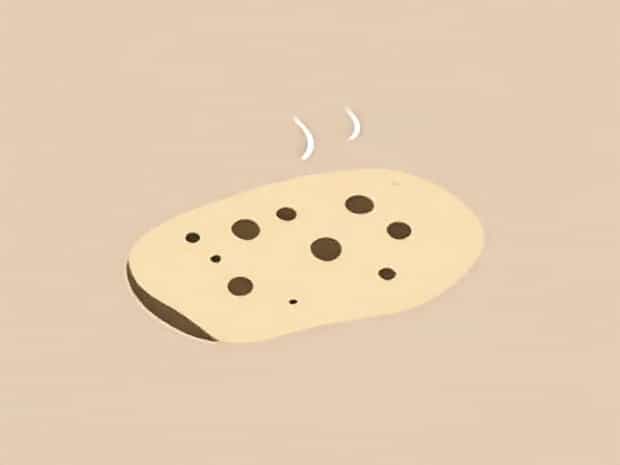
Chapati is a type of unleavened flatbread that originates from the Indian subcontinent and is widely consumed in countries like India, Pakistan, Nepal, and Bangladesh. The bread is typically made from whole wheat flour, known as atta, combined with water, and sometimes a small amount of salt or oil. The dough is kneaded, rolled into thin rounds, and cooked on a flat skillet or tawa. The simplicity of chapati makes it a dietary staple, often served alongside curries, vegetables, and lentils.
The Role of Gluten in Chapati
Gluten is a protein found in wheat, barley, and rye that provides elasticity to dough, allowing it to rise and maintain structure. In traditional chapati, the presence of gluten is essential for the soft and pliable texture that makes it easy to roll and cook evenly. Without gluten, chapati can become crumbly, tear easily, and lose the chewy texture that many enjoy. This is why traditional chapati is not suitable for those following a gluten-free diet.
Gluten-Free Alternatives to Traditional Chapati
For people with celiac disease or gluten sensitivity, it is possible to create gluten-free versions of chapati using alternative flours. Several grains and flours do not contain gluten and can be used to make flatbreads that mimic the texture and taste of traditional chapati.
Popular Gluten-Free Flours for Chapati
- Rice FlourRice flour is a common gluten-free substitute that produces a slightly crisp chapati. Combining rice flour with a binding agent like xanthan gum or psyllium husk can improve elasticity.
- Chickpea Flour (Besan)Made from ground chickpeas, this flour is protein-rich and adds a nutty flavor to chapati. Chickpea flour chapati may be denser but is highly nutritious.
- Millet FlourVarieties such as jowar (sorghum) or bajra (pearl millet) can be used to make soft flatbreads. Millet flours provide a slightly earthy flavor and are naturally gluten-free.
- Oat FlourOat flour, preferably certified gluten-free, can also be used. It offers a mild flavor and a tender texture, though a binding agent may be needed for elasticity.
- Almond FlourAlmond flour adds richness and flavor, though it is less elastic and may require blending with other gluten-free flours.
Techniques for Making Gluten-Free Chapati
Making gluten-free chapati requires a slightly different approach than traditional wheat chapati. Gluten-free flours lack the elasticity of wheat, so incorporating water carefully, kneading gently, and sometimes adding a binding agent can help achieve a better texture.
Tips for Successful Gluten-Free Chapati
- Use a mix of floursCombining two or more gluten-free flours can improve texture and taste. For example, rice flour with chickpea flour provides a balance of chewiness and flavor.
- Add a binding agentIngredients like xanthan gum, guar gum, or psyllium husk help hold the dough together, making it easier to roll and cook.
- Knead with careGluten-free dough can become too dry or sticky. Adjust water gradually and knead lightly to prevent cracking.
- Cook on medium heatGluten-free chapati cooks quickly and can burn easily. Use moderate heat and a non-stick pan or skillet for even cooking.
- Keep dough coveredResting the dough for 10-15 minutes while covered can make it more pliable and easier to handle.
Health Benefits and Considerations
Gluten-free chapati made from alternative flours can be a nutritious addition to a balanced diet. Many of the substitute flours, such as chickpea and millet, are high in protein, fiber, and essential vitamins and minerals. Gluten-free chapati can also help manage digestive health for those with celiac disease or non-celiac gluten sensitivity.
Potential Challenges
While gluten-free chapati is a healthy option for some, there are a few challenges to consider. The taste and texture may differ from traditional wheat chapati, and adjustments in cooking methods are often required. Additionally, some gluten-free flours may be more expensive or harder to find, depending on your location. Despite these challenges, experimenting with different flour combinations can yield delicious and satisfying results.
Traditional chapati is not gluten-free due to its reliance on whole wheat flour, which contains gluten. However, there are many gluten-free alternatives that allow individuals to enjoy a version of this beloved flatbread without compromising dietary restrictions. By using flours such as rice, chickpea, millet, or oat, and applying proper techniques, it is possible to create chapati that is both tasty and safe for those avoiding gluten. Whether for health reasons or personal preference, gluten-free chapati provides an accessible way to enjoy the flavors of South Asian cuisine while maintaining a balanced diet. With creativity and patience, gluten-free chapati can become a delicious staple in any kitchen, offering flexibility and nourishment to a wide range of dietary needs.