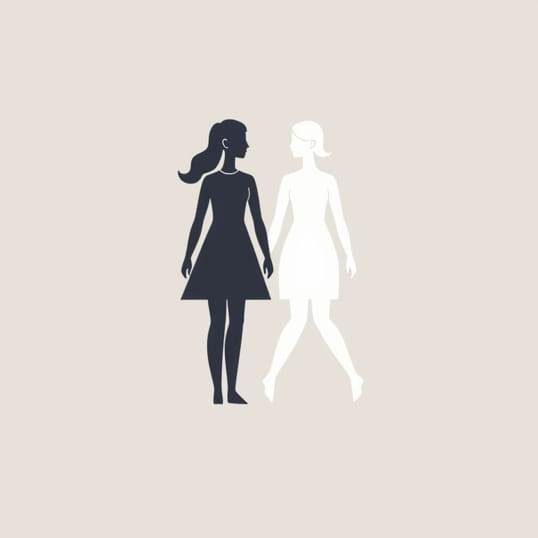
Examples Of Gender Fluidity
Gender fluidity is a concept that challenges traditional ideas of fixed gender identities, allowing individuals to move between, combine, or exist outside the conventional categories of male and female. People who identify as gender fluid may experience shifts in their gender expression, identity, or presentation over time or even daily. Understanding examples of gender fluidity can provide insight into the diversity of human experiences, break down rigid societal expectations, and foster inclusivity. By exploring real-world and cultural examples, we gain a better understanding of how gender can be experienced and expressed in flexible, authentic ways.
Understanding Gender Fluidity
Gender fluidity refers to the capacity for an individual’s gender identity or expression to change over time. This may involve varying between traditionally recognized genders or blending elements of multiple genders. Unlike fixed gender identities, which remain stable over a person’s lifetime, gender fluid identities embrace variability and adaptability. Gender fluidity is not limited to clothing or appearance; it also encompasses pronouns, behaviors, roles, and self-perception. Recognizing gender fluidity highlights the diversity of human identity and encourages respect for individuals’ personal experiences and choices.
Key Features of Gender Fluidity
- Flexibility in gender identity over time
- Ability to express a mix of masculine, feminine, or other gender traits
- Use of varied pronouns depending on context or personal preference
- Resistance to societal norms that impose rigid gender roles
Cultural Examples of Gender Fluidity
Many cultures around the world have historically recognized non-binary or fluid gender roles. For instance, some Indigenous cultures in North America acknowledge Two-Spirit individuals, who may embody characteristics of both male and female genders or occupy unique gender roles within the community. In South Asia, Hijras are recognized as a third gender, often expressing a fluidity that transcends male and female norms. These examples illustrate that gender fluidity is not a modern invention but a natural aspect of human diversity that has existed across societies and historical periods.
Indigenous and Traditional Roles
- Two-Spirit IndividualsIn various Native American communities, Two-Spirit people often hold roles that combine spiritual, social, and gendered responsibilities, reflecting fluidity in identity and societal function.
- Hijras in South AsiaHijras, often born male or intersex, adopt feminine traits, roles, and attire, creating a culturally recognized space for gender fluidity.
- Fa’afafine in SamoaFa’afafine are individuals assigned male at birth who embody both masculine and feminine characteristics, illustrating societal acceptance of fluid gender expression.
Contemporary Examples in Daily Life
Gender fluidity is increasingly visible in contemporary society, where individuals openly embrace flexible identities. Some may alternate their pronouns, use different names, or shift their clothing styles to reflect their changing gender experience. Social media platforms have also provided spaces for gender fluid individuals to share their stories, helping to normalize non-binary and fluid expressions of gender. In workplaces, schools, and communities, gender fluidity is becoming more recognized, promoting understanding and inclusivity.
Personal Expression and Pronouns
- Individuals may use they/them, she/they, or he/they pronouns depending on their current gender identity.
- Changing hairstyles, makeup, or clothing to reflect a fluid identity is a common expression of gender fluidity.
- Some people may adopt different names or nicknames to correspond with their shifting gender presentation.
Examples in Media and Popular Culture
Media representation has played a significant role in illustrating gender fluidity. Celebrities, actors, and influencers who identify as gender fluid challenge traditional portrayals of masculinity and femininity. By embracing fluid identities publicly, they provide visibility and validation for individuals navigating similar experiences. Fictional characters in television, film, and literature also increasingly explore fluid gender expression, helping audiences understand that gender can be dynamic and multifaceted.
Notable Figures
- Sam SmithThe British singer openly identifies as gender fluid, using both he/him and they/them pronouns.
- Indya MooreActor and activist identifying as non-binary and expressing fluid gender traits in personal and professional life.
- Jonathan Van NessKnown from television, Van Ness embraces gender fluidity through appearance, pronouns, and self-expression.
Fictional Examples
- Stevonnie from Steven UniverseA fusion character representing fluid and non-binary gender identity.
- Orion in comicsCharacters that shift between masculine and feminine forms illustrate fluid identity.
- Multiple roles in fantasy literatureSome novels feature shape-shifting or magical characters whose gender is intentionally fluid, challenging binary norms.
Benefits of Understanding Gender Fluidity
Recognizing and respecting gender fluidity benefits both individuals and society. For individuals, it promotes self-expression, mental health, and authenticity. Accepting fluid gender identities also fosters more inclusive communities, reducing discrimination and bias. Educational initiatives and workplace policies that acknowledge gender fluidity create environments where people feel safe to express themselves without fear of judgment or exclusion. Additionally, media and cultural representation help normalize fluid gender identities, encouraging empathy and understanding across society.
Positive Outcomes
- Improved mental health and self-esteem for gender fluid individuals
- Reduction of stigma and social barriers
- Increased awareness and acceptance of diverse gender experiences
- Promotion of inclusive policies in education, employment, and healthcare
Challenges Faced by Gender Fluid Individuals
Despite growing awareness, gender fluid individuals often encounter challenges. Misunderstanding or lack of acceptance from family, peers, or institutions can lead to social exclusion. Legal documentation, healthcare systems, and public spaces frequently operate on binary gender norms, making navigation of these systems difficult. Advocacy, education, and representation are crucial for addressing these barriers and ensuring that gender fluid individuals are respected and supported in all aspects of life.
Strategies for Support
- Use correct pronouns and names consistently
- Create inclusive educational curricula that reflect diverse gender identities
- Implement workplace policies accommodating fluid gender expression
- Encourage open conversations about gender and identity to reduce stigma
Examples of gender fluidity, whether in historical cultures, contemporary society, or media representation, highlight the flexibility and diversity of human gender experience. Recognizing gender fluidity allows individuals to express themselves authentically while fostering inclusive communities. By understanding and validating fluid identities, society can move toward greater acceptance and equity, ensuring that all people have the freedom to define and express their gender without restriction. Embracing gender fluidity is not only about individual empowerment but also about promoting empathy, understanding, and a more nuanced view of human identity.
Through cultural awareness, media visibility, and inclusive policies, examples of gender fluidity continue to educate and inspire, illustrating that gender is not a fixed binary but a spectrum of experiences that can shift, evolve, and coexist in many forms. As society increasingly acknowledges these variations, the opportunities for personal growth, acceptance, and social harmony expand, creating a richer and more inclusive world for all.