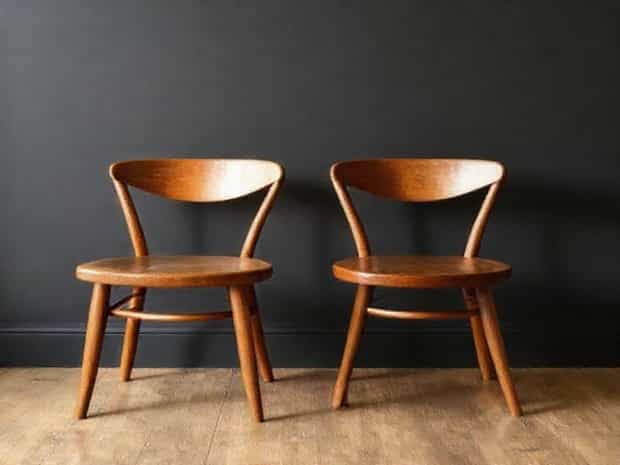
How To Restore Bentwood Chairs
Bentwood chairs are timeless pieces of furniture known for their elegant curves and lightweight design. Often made from steamed and bent wood, these chairs can develop structural issues over time, such as cracks, loose joints, or warped frames. Restoring bentwood chairs requires patience, careful handling, and the right materials to bring them back to their original condition. By understanding the construction and common issues of bentwood chairs, you can revive their appearance and functionality, preserving both their aesthetic charm and historical value.
Understanding Bentwood Chair Construction
Bentwood chairs are made by steaming wood, typically beech, to make it pliable, then bending it into curved shapes and securing it with joints and glues. The lightweight design and smooth curves are visually appealing, but the construction also makes the chairs susceptible to damage over time. Common problems include loosened joints, broken or split wood, and surface wear from years of use.
Common Issues in Bentwood Chairs
- Loose or Wobbly JointsFrequent use can cause joints to loosen, making the chair unstable.
- Cracks and SplitsExposure to moisture or dry conditions can cause the wood to crack.
- WarpingBent sections can lose their original shape due to improper storage or pressure.
- Surface DamageScratches, fading, or worn finishes can detract from the chair’s appearance.
Preparation Before Restoration
Before starting the restoration process, it is essential to assess the condition of the chair and gather the necessary tools and materials. Proper preparation ensures a smoother restoration process and better results.
Assessing Damage
Examine the chair carefully, checking for cracks, loose joints, or areas where the wood has warped. Identify which parts require repair, reinforcement, or refinishing. Take note of any missing components that may need replacement.
Gathering Materials and Tools
- Wood glue suitable for bentwood furniture
- Clamps for holding pieces together while drying
- Sandpaper of various grits
- Wood filler or epoxy for cracks
- Finishing products such as stains, varnishes, or wax
- Small brushes or cloths for applying finishes
Fixing Loose Joints
Loose joints are one of the most common issues with bentwood chairs. Repairing them requires disassembly in some cases and careful re-gluing to restore stability.
Step-by-Step Process
- Remove the chair seat if possible to access the joints.
- Apply wood glue to the loose joints, ensuring the glue penetrates fully into the gaps.
- Clamp the joints securely and allow the glue to dry for the recommended time.
- Check for stability after drying and re-clamp if necessary to ensure a strong bond.
Repairing Cracks and Splits
Cracks and splits in the wood can compromise both appearance and strength. Proper repair prevents further damage and restores the chair’s integrity.
Techniques for Repair
- For small cracks, apply wood glue and clamp the area until fully set.
- For larger splits, use a two-part epoxy or wood filler to fill gaps. Smooth with sandpaper after drying.
- Ensure repaired areas are level with the surrounding wood to maintain aesthetic appeal.
Reshaping Warped Sections
If bentwood sections have lost their original shape, gentle re-steaming or controlled moisture application can help restore curves. This process must be done carefully to avoid further damage.
Reshaping Process
- Use a steam source to soften the wood without soaking it.
- Gently bend the warped section back into shape using a mold or form to guide the curve.
- Hold the piece in place until it cools and dries, securing the shape.
Surface Restoration
After structural repairs, attention should be given to surface restoration to revive the chair’s appearance and protect it from future damage.
Sanding and Refinishing
- Lightly sand the entire chair to remove old finishes, scratches, and minor imperfections.
- Apply stain or paint to match the original color or achieve a new look.
- Finish with a protective coating, such as varnish, shellac, or wax, to enhance durability.
- Allow sufficient drying time between coats to achieve a smooth, long-lasting finish.
Final Touches
Inspect the restored chair for any remaining imperfections. Touch up areas as needed, and ensure all joints are secure. The final result should be a stable, visually appealing chair ready for use and display.
Maintenance Tips for Restored Bentwood Chairs
To prolong the life of restored bentwood chairs, regular maintenance is essential. Keep the chairs in a stable environment, avoiding extreme humidity or dryness. Clean gently with a soft cloth and avoid harsh chemicals that could damage finishes. Periodically check for loose joints or wear, addressing issues promptly to maintain the chair’s integrity.
Restoring bentwood chairs is a rewarding process that can return these classic pieces to their original elegance and functionality. By understanding the construction, identifying common issues, and carefully performing repairs and refinishing, you can breathe new life into worn or damaged chairs. With proper care and maintenance, restored bentwood chairs can continue to provide beauty, comfort, and charm for many years, preserving a piece of furniture history in your home.