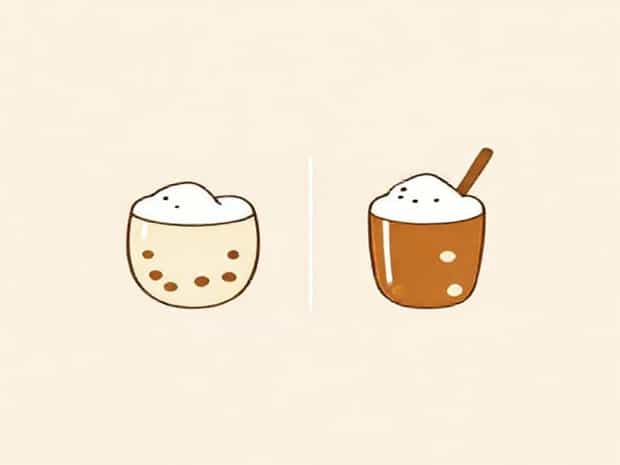
Difference Between Sago And Tapioca
Sago and tapioca are two popular starches widely used in cooking and baking, yet many people often confuse them due to their similar appearance and usage. Both are derived from plant sources and are primarily composed of carbohydrates, making them versatile ingredients in desserts, puddings, and beverages. Despite these similarities, sago and tapioca differ in origin, processing methods, texture, nutritional content, and culinary applications. Understanding these differences can help home cooks, bakers, and food enthusiasts choose the right ingredient for their recipes while appreciating the unique qualities each brings to the table.
Origins of Sago and Tapioca
Sago is a starch extracted from the pith of various tropical palm stems, most commonly from the sago palm (Metroxylon sagu). It has been a traditional staple food in Southeast Asia, particularly in Indonesia, Malaysia, and Papua New Guinea. Historically, sago has provided an important carbohydrate source for communities living in swampy or forested regions where other crops were difficult to cultivate. Tapioca, on the other hand, is derived from the cassava root (Manihot esculenta), a tuberous plant native to South America. Cassava was later introduced to Africa, Asia, and other parts of the world, where it became a major source of starch for both human consumption and industrial use.
Key Points About Origins
- Sago Extracted from sago palm stems, native to Southeast Asia
- Tapioca Extracted from cassava root, native to South America
- Sago Traditionally used in swampy regions as a staple carbohydrate
- Tapioca Adapted globally for food and industrial starch production
- Both have been used for centuries, reflecting local agricultural practices
Processing Methods
The processing of sago and tapioca also differs significantly. Sago starch is obtained by grinding the palm stem to extract the starchy liquid, which is then filtered and dried to form sago pearls or flour. The process is labor-intensive and can be seasonal, depending on the growth of the palms. Tapioca starch is produced by peeling and grating the cassava root, followed by washing, filtering, and drying the extracted starch. Tapioca pearls, commonly used in bubble tea and desserts, are made by shaping the starch into small balls and then steaming or drying them. The variations in processing affect the texture, cooking behavior, and culinary uses of the final product.
Processing Comparison
- Sago Extracted from palm stems, filtered, and dried into pearls or flour
- Tapioca Extracted from cassava roots, washed, filtered, dried, and shaped into pearls or flour
- Sago Often seasonal and labor-intensive to harvest
- Tapioca Produced year-round and widely industrialized
- Processing affects texture, appearance, and culinary applications
Appearance and Texture
Both sago and tapioca are available in granular forms, such as small pearls, flakes, or powders, but their texture and appearance can vary. Sago pearls are typically small, white, and round, with a slightly irregular shape. When cooked, they become translucent and develop a chewy texture. Tapioca pearls are also white or off-white, but they can vary in size from tiny (used in puddings) to larger pearls (used in bubble tea). Cooked tapioca pearls are smooth and chewy, but their consistency is often firmer than sago pearls. Flour forms of both starches are fine, white, and powdery, but tapioca flour is more commonly used as a thickening agent due to its stronger gel-forming properties.
Texture and Appearance Differences
- Sago pearls Small, round, slightly irregular, become translucent and soft when cooked
- Tapioca pearls Vary in size, smooth, firmer chew than sago
- Sago flour Fine, white, used mainly in traditional desserts
- Tapioca flour Fine, powdery, strong thickening and gel-forming abilities
- Texture differences affect how each starch is incorporated into recipes
Culinary Uses
Both sago and tapioca are highly versatile in the kitchen, but they tend to be used differently due to their properties. Sago is traditionally used in Southeast Asian desserts, such as puddings, cakes, and sweet soups. It is also used in some savory dishes, like sago porridge or dumplings. Tapioca is popular in Western and global cuisines, often found in puddings, bubble tea, bread, and gluten-free baking. Tapioca starch is also an effective thickener for sauces, soups, and pie fillings. The differences in gelatinization and texture mean that sago is best suited for soft, delicate dishes, while tapioca offers more structure and elasticity for various culinary applications.
Common Culinary Applications
- Sago Puddings, sweet soups, cakes, traditional dumplings
- Tapioca Bubble tea, puddings, gluten-free baking, bread, sauces
- Sago Provides soft, delicate, chewy texture
- Tapioca Stronger gel-forming ability, adds elasticity and structure
- Choice depends on desired texture and dish type
Nutritional Differences
While both sago and tapioca are primarily composed of carbohydrates, there are subtle nutritional differences. Sago is low in protein and fat but provides quick energy due to its high starch content. Tapioca also has a high carbohydrate content but may retain trace minerals from the cassava root, such as calcium, iron, and potassium, depending on processing methods. Neither sago nor tapioca is a significant source of vitamins or protein, so they are typically consumed in combination with other nutrient-rich foods to create balanced meals. Understanding these nutritional differences can be helpful for those monitoring their diet or seeking specific health benefits.
Nutritional Overview
- Sago High carbohydrate, low protein and fat, quick energy source
- Tapioca High carbohydrate, may contain trace minerals, low protein and fat
- Neither is rich in vitamins or fiber
- Often combined with other foods for balanced nutrition
- Good energy source for both children and adults in moderation
Although sago and tapioca share similarities as plant-based starches, they differ significantly in origin, processing, texture, culinary uses, and nutritional content. Sago comes from palm stems and is traditionally used in Southeast Asian desserts and soft puddings, while tapioca is derived from cassava roots and enjoys global popularity in puddings, bubble tea, and gluten-free baking. Sago pearls are softer and more delicate, whereas tapioca pearls offer a firmer, chewier texture suitable for various recipes. Understanding these distinctions allows cooks and food enthusiasts to select the appropriate starch for their culinary creations, ensuring the desired texture, flavor, and outcome in every dish.
By appreciating the differences between sago and tapioca, home cooks can make more informed choices and elevate their dishes. Whether using sago for a traditional Southeast Asian dessert or incorporating tapioca into modern puddings and baked goods, both starches provide versatility and unique textures that enhance the culinary experience. Awareness of their origins, properties, and applications ensures that each dish achieves the intended result, whether for traditional meals, contemporary recipes, or innovative culinary experimentation.