Diaphragm And Bony Thorax Are Unremarkable Meaning
When reading medical imaging reports, many people come across phrases that sound confusing or overly technical. One example is the phrase diaphragm and bony thorax are unremarkable. At first glance, this wording might seem alarming, especially when someone does not understand medical terminology. In reality, it is usually a positive finding that suggests no abnormalities are seen in the diaphragm or the bony thorax. To better understand this phrase, it is helpful to break down what each part means and why radiologists use such language in reports.
Understanding Medical Terminology in Imaging Reports
Medical imaging reports, such as those from X-rays, CT scans, or MRIs, are often written in standardized language. This helps doctors and specialists communicate findings clearly and consistently. Words like unremarkable are not meant to confuse patients but rather to indicate that the area being described appears normal with no significant issues detected.
When a report states that the diaphragm and bony thorax are unremarkable, the radiologist is confirming that these structures look healthy and show no unusual findings. To fully appreciate this, it is important to understand what the diaphragm and bony thorax are and their roles in the body.
The Diaphragm and Its Function
The diaphragm is a large, dome-shaped muscle located at the base of the lungs. It separates the chest cavity from the abdominal cavity and plays a crucial role in breathing. When the diaphragm contracts, it moves downward, allowing the lungs to expand and fill with air. When it relaxes, it moves upward, helping to expel air during exhalation.
Because of its importance in respiration, abnormalities in the diaphragm can be concerning. For example, an elevated diaphragm might suggest paralysis or pressure from below, while a flattened diaphragm could indicate chronic lung conditions such as emphysema. Therefore, when a radiologist describes the diaphragm as unremarkable, it is generally reassuring, meaning it looks normal in shape, size, and position.
The Bony Thorax and Its Role
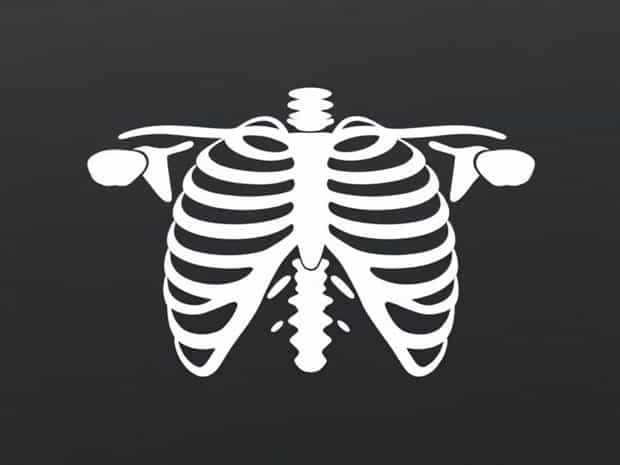
The bony thorax refers to the skeletal framework of the chest. It is made up of the sternum, ribs, and thoracic vertebrae. This structure protects vital organs such as the heart and lungs while also supporting breathing by expanding and contracting as the lungs fill with air.
Abnormal findings in the bony thorax might include rib fractures, bone lesions, or signs of degenerative changes. Any irregularity in these structures can affect both breathing mechanics and overall chest stability. Thus, when a report indicates that the bony thorax is unremarkable, it means no fractures, deformities, or unusual findings were seen in the chest bones during the imaging.
What Unremarkable Really Means
In medical imaging, the term unremarkable is used to indicate that there are no abnormalities worth mentioning. It does not mean that the structure is unimportant, but rather that everything appears normal. Patients often mistake the word for something negative, but it is actually a good result.
For example
- If the diaphragm is unremarkable, it looks healthy with no signs of disease or damage.
- If the bony thorax is unremarkable, the chest bones appear intact without injury or abnormal growths.
- Overall, the phrase means there are no concerning findings in those parts of the chest.
Why Radiologists Use This Language
Radiologists often examine multiple structures in a single image. To keep reports clear and concise, they use standardized terminology. Describing something as unremarkable saves time while assuring the referring doctor that the area has been carefully reviewed and found normal. This helps prevent misunderstandings that could occur if vague language were used instead.
Common Situations Where You Might See This Phrase
The phrase diaphragm and bony thorax are unremarkable can appear in different types of imaging reports. Some common situations include
- Chest X-raysWhen checking for pneumonia, lung disease, or rib fractures.
- CT scansWhen evaluating trauma, chest pain, or suspected cancer.
- Preoperative evaluationsWhen doctors want to ensure no underlying issues exist before surgery.
- Follow-up imagingTo monitor recovery after injury or illness.
In all these cases, the phrase means the diaphragm and chest bones look healthy, which is generally a positive outcome.
Possible Abnormal Findings Instead of Unremarkable
To better understand the significance of the term, it helps to consider what might be reported if something abnormal were found. For example
- The diaphragm might be described as elevated, flattened, or abnormal in contour.
- The bony thorax might be reported as having fractures, osteolytic lesions, or degenerative changes.
- Instead of unremarkable, the report might include terms such as findings consistent with trauma or evidence of abnormal growth.
This comparison shows why unremarkable is actually good news it means none of these concerning findings are present.
How Patients Should Interpret the Phrase
When patients read their medical reports, they may worry about unfamiliar terms. Understanding that unremarkable means normal can bring peace of mind. However, patients should always discuss their imaging results with their doctor, since the full interpretation depends on the entire report and the clinical situation. Even if the diaphragm and bony thorax are unremarkable, there could be findings in other areas that require attention.
Tips for Patients Reading Imaging Reports
If you receive a medical report with phrases like this, consider these tips
- Remember that unremarkable means normal.
- Look at the report as a whole, not just one phrase.
- Do not jump to conclusions without consulting your doctor.
- Ask your healthcare provider to explain any terms you do not understand.
- Use the report as a tool for discussion rather than a final diagnosis on its own.
The phrase diaphragm and bony thorax are unremarkable is a common finding in imaging reports, and it is generally a positive one. It simply means that the diaphragm, which supports breathing, and the bony thorax, which protects the chest, both appear normal with no evidence of disease or injury. Radiologists use this phrase to communicate clearly that no concerning findings were observed in these areas. For patients, understanding the meaning of such terminology can ease anxiety and promote better communication with healthcare providers. In short, an unremarkable result is something to be reassured about, as it indicates healthy and normal imaging findings.