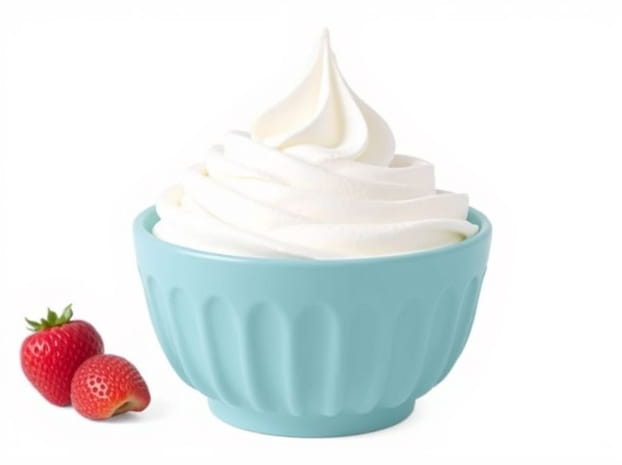
Dairy Free Whipped Cream Recipe
Many people today are searching for ways to enjoy desserts and beverages without relying on dairy products. Whether due to lactose intolerance, vegan diets, or simply a preference for lighter alternatives, dairy free whipped cream has become a popular choice in home kitchens and professional bakeries. Making your own whipped topping at home is easier than you might think, and it allows you to control the flavor, texture, and sweetness. A dairy free whipped cream recipe can transform simple dishes like fruit salads, pies, and hot drinks into indulgent treats while keeping them plant-based and allergy-friendly.
Why Choose Dairy Free Whipped Cream
Dairy free whipped cream is not only for people with dietary restrictions. It has a naturally light and airy consistency that pairs beautifully with desserts, pancakes, or even savory dishes. Many traditional whipped creams are made with heavy cream, which can feel rich and heavy. Plant-based alternatives provide a refreshing twist while still offering that classic whipped topping effect. In addition, making a dairy free version allows you to experiment with unique flavors and ingredients not commonly found in store-bought whipped toppings.
Main Ingredients for a Dairy Free Whipped Cream Recipe
One of the best things about creating dairy free whipped cream is that you can use a variety of ingredients, depending on your taste and dietary needs. Some of the most popular bases include
- Coconut cream– Thick, rich, and naturally sweet, coconut cream is the most common ingredient for dairy free whipped cream recipes. It provides a fluffy texture and a subtle coconut flavor.
- Aquafaba– This is the liquid from canned chickpeas. It whips up surprisingly like egg whites and creates a light, airy topping perfect for those who don’t want any coconut taste.
- Nut-based creams– Cashew cream or almond cream can also be whipped into a smooth, fluffy topping. These versions may require soaking and blending but offer a mild flavor.
- Oat or soy-based alternatives– Some brands sell whipping creams made from oat or soy that can be used just like dairy cream, making them convenient for beginners.
Step-by-Step Coconut Cream Whipped Topping
Coconut cream remains the most popular base for a homemade dairy free whipped cream recipe. Here is a simple method to get started
Ingredients
- 1 can of full-fat coconut milk or coconut cream (chilled overnight)
- 2-3 tablespoons of powdered sugar or maple syrup
- 1 teaspoon vanilla extract
Instructions
- Place the can of coconut milk in the refrigerator overnight to separate the cream from the liquid.
- Scoop the solid cream into a mixing bowl, leaving behind the watery part.
- Using a hand mixer or stand mixer, whip the coconut cream on medium-high speed for 3-5 minutes until fluffy.
- Add powdered sugar and vanilla extract, then whip again until smooth and light.
- Chill for at least 30 minutes before serving for best texture.
Making Aquafaba Whipped Cream
For those who prefer a coconut-free version, aquafaba is an excellent substitute. This vegan miracle ingredient creates a foam that resembles traditional whipped cream.
Ingredients
- 1/2 cup aquafaba (liquid from canned chickpeas)
- 1/4 teaspoon cream of tartar
- 3 tablespoons powdered sugar
- 1 teaspoon vanilla extract
Instructions
- Pour aquafaba into a clean mixing bowl.
- Add cream of tartar to help stabilize the mixture.
- Whip on high speed for 6-8 minutes until stiff peaks form.
- Gradually add powdered sugar and vanilla extract while continuing to whip.
- Use immediately or refrigerate for up to 2 days.
Tips for Perfect Dairy Free Whipped Cream
Creating the perfect dairy free whipped cream recipe takes a little practice, but the results are rewarding. Keep these tips in mind
- Chill your mixing bowl and beaters beforehand for a fluffier texture.
- Use full-fat coconut cream for the richest results, as light coconut milk does not whip well.
- If using aquafaba, ensure your bowl is completely grease-free to help it whip properly.
- Experiment with flavor additions such as cocoa powder, cinnamon, or almond extract.
- Adjust the sweetness level depending on whether you plan to use it for desserts or savory dishes.
Serving Ideas
Once you have prepared your whipped topping, the possibilities are endless. Some popular uses include
- As a topping for fruit salads, pies, or cakes
- Layered in parfaits with granola and berries
- Served on top of hot cocoa, coffee, or lattes
- Paired with pancakes, waffles, or crepes
- As a base for mousse or light frosting alternatives
Health Benefits of Dairy Free Whipped Cream
Besides being delicious, a dairy free whipped cream recipe can offer certain health advantages. For those with lactose intolerance or dairy allergies, it allows safe indulgence without discomfort. Coconut cream contains healthy fats that can provide quick energy. Aquafaba is low in calories and fat, making it a lighter alternative. By making your own at home, you can reduce processed ingredients, avoid hydrogenated oils, and keep the recipe simple and clean.
Storage and Shelf Life
Homemade dairy free whipped cream does not last as long as store-bought versions, but proper storage can extend its freshness. Coconut-based cream can be stored in an airtight container in the refrigerator for 3-5 days. Aquafaba versions are best consumed within 2 days, as they tend to lose their structure over time. If the cream separates, a quick re-whip can restore its fluffy texture.
Making a dairy free whipped cream recipe at home is an easy, versatile, and healthier alternative to traditional whipped cream. With options like coconut cream, aquafaba, and nut-based blends, there is a version for every preference and occasion. Whether you’re vegan, lactose intolerant, or simply looking for a lighter topping, these recipes can be adapted to your taste. By learning a few simple techniques, you can enjoy creamy, fluffy whipped topping that makes every dessert and beverage more special.