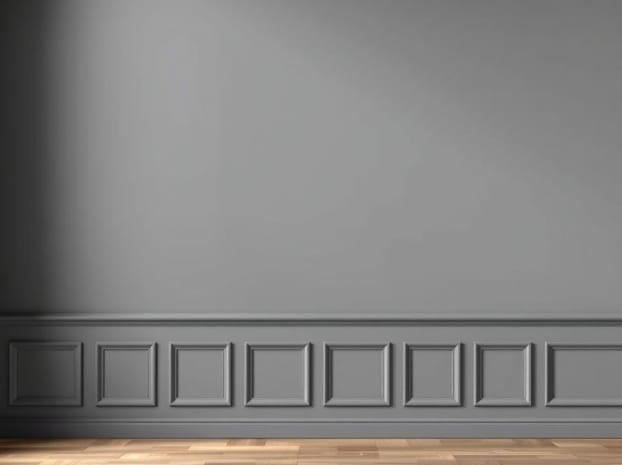
How High Should Wainscoting Be
Wainscoting is a classic design feature that adds character, texture, and elegance to any room. Proper installation height is essential for achieving the right balance and visual appeal, as it can significantly affect the room’s proportions and overall aesthetic. Deciding how high wainscoting should be requires consideration of architectural style, ceiling height, furniture placement, and personal taste. While there are traditional standards and design guidelines, understanding the flexibility and practical considerations can help homeowners, designers, and DIY enthusiasts create a cohesive and attractive interior.
Understanding Wainscoting
Wainscoting refers to the paneling applied to the lower portion of walls, typically made from wood, MDF, or composite materials. Historically, wainscoting served both decorative and functional purposes, protecting walls from damage and adding insulation. Today, it is primarily used for aesthetic enhancement, offering a timeless, elegant look in dining rooms, hallways, bathrooms, and living areas.
Common Types of Wainscoting
- Beadboard Features narrow vertical planks and a traditional look.
- Raised Panel Offers a formal and elegant style with recessed panels framed by molding.
- Flat Panel Simple and modern, with a smooth surface often accented by trim or molding.
- Board and Batten Vertical boards separated by thin strips called battens, giving a rustic or farmhouse style.
Standard Height Guidelines
The height of wainscoting can vary based on room size, ceiling height, and design preference, but there are standard guidelines commonly followed by interior designers and builders. Typically, wainscoting covers the lower third of a wall, measured from the floor to the top of the paneling.
Typical Height Ranges
- Standard ceilings (8 feet) Wainscoting is usually 32 to 36 inches high.
- Taller ceilings (9 to 10 feet) Panels may rise 36 to 42 inches to maintain proportion.
- Low-ceiling rooms Consider shorter wainscoting (28 to 32 inches) to avoid crowding the space.
These measurements help maintain a visual balance, keeping the paneling proportionate to the overall wall height while ensuring it complements furniture and decor.
Factors Influencing Wainscoting Height
While traditional guidelines are helpful, the ideal height of wainscoting also depends on several key factors beyond ceiling height. Evaluating these considerations ensures the paneling enhances the room rather than overwhelming or underwhelming it.
Furniture Placement
The location and height of furniture play a significant role in determining wainscoting height. For example, in dining rooms, the top of the wainscoting often aligns slightly above the chair rail to prevent furniture from damaging the paneling. In living rooms or hallways, paneling should complement baseboards and chair rails while allowing space for decorative elements or wall hangings.
Architectural Style
The style of the room influences how high wainscoting should be installed. Traditional or formal spaces often favor taller paneling for a grand effect, while modern or minimalist interiors may benefit from shorter or more subtle wainscoting to maintain clean lines and open visual flow. Beadboard may work well with lower panel heights, whereas raised panels often look best at slightly taller proportions.
Visual Balance
Visual balance is critical when determining height. A wainscoting panel that is too low may appear disconnected from the rest of the room, while one that is too high can dominate the space and make ceilings feel shorter. Designers recommend using one-third or slightly higher of the wall height as a starting point and adjusting based on furniture, molding, and personal preference.
Chair Rails and Top Moldings
Many wainscoting designs include a chair rail or top molding that caps the paneling. The height of the chair rail often determines the top of the wainscoting, offering protection for walls while providing a visual break between paneling and upper wall paint or wallpaper.
Standard Chair Rail Heights
- Generally installed 32 to 36 inches from the floor for standard 8-foot ceilings.
- For taller ceilings, the chair rail may rise 36 to 42 inches to maintain proportion.
- Custom heights may be used to align with furniture, window sills, or other architectural features.
Matching the wainscoting height to chair rails ensures a seamless and intentional design, enhancing both aesthetics and functionality.
Practical Tips for Installing Wainscoting
Planning the correct height before installation can prevent costly adjustments and ensure a polished final result. Here are practical tips to guide the process
Measure Carefully
Measure from the floor to the desired height, accounting for baseboards and chair rails. Use a level and pencil to mark a straight line around the room for reference during installation. Consistency is key to achieving a professional look.
Consider Room Proportion
Assess the room’s ceiling height, wall length, and overall layout. Taller wainscoting suits formal spaces or larger rooms, while shorter paneling works well in casual or smaller areas. Aim for a design that complements the room rather than overwhelms it.
Plan for Accessories
Determine whether additional features like built-in shelves, artwork, or sconces will interact with the wainscoting. Leave space above or below the paneling as needed to accommodate furniture or wall decor without crowding.
Customization and Design Flexibility
One of the advantages of wainscoting is the ability to customize height and style to fit unique spaces. Homeowners can mix traditional and contemporary elements, adjust panel proportions, or select materials that match existing flooring, moldings, and furniture. This flexibility ensures wainscoting enhances the room’s character while reflecting personal style.
Color and Material Choices
- Painted wainscoting in neutral shades for timeless appeal.
- Wood finishes to complement flooring or cabinetry.
- Textured panels, such as beadboard, for added dimension.
- Contrasting colors for dramatic visual effect.
Determining how high wainscoting should be involves a combination of traditional guidelines, room proportions, furniture placement, and personal style preferences. While standard recommendations suggest covering one-third of the wall height or installing chair rails 32 to 36 inches from the floor for standard ceilings, flexibility allows for tailored solutions that suit specific spaces. By considering ceiling height, architectural style, and visual balance, homeowners and designers can create wainscoting that enhances both aesthetics and functionality. Proper measurement, planning, and attention to detail ensure that the final installation adds elegance, character, and value to any room, making wainscoting a timeless design choice for modern and classic interiors alike.