Cockroach Vs Stink Bug
In the world of insects, cockroaches and stink bugs are often confused due to their presence in households and their ability to cause discomfort. Despite some similarities, these two creatures have distinct characteristics, behaviors, and impacts on human environments. Understanding the differences between cockroaches and stink bugs is essential for proper pest management, health considerations, and general awareness. By exploring their appearance, behavior, habitats, and control methods, homeowners and enthusiasts can effectively distinguish between the two and respond appropriately.
Physical Characteristics
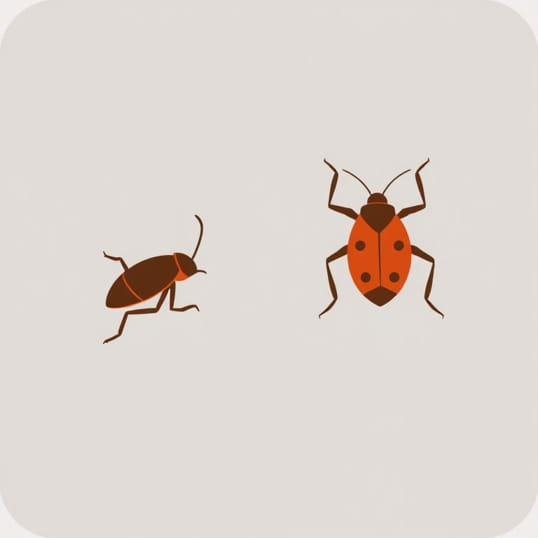
Cockroaches and stink bugs have unique physical traits that make them identifiable. Cockroaches typically have flattened, oval-shaped bodies with long antennae and six spiny legs, enabling quick movements. Their coloration varies from reddish-brown to dark brown or black, depending on the species. In contrast, stink bugs are shield-shaped and usually exhibit bright green, brown, or mottled patterns. They possess piercing-sucking mouthparts used for feeding on plants, unlike cockroaches that are omnivorous scavengers.
Distinct Features
- CockroachFlattened body, long antennae, spiny legs, capable of rapid running.
- Stink BugShield-shaped body, shorter antennae, piercing-sucking mouthparts, slower movement.
- ColorationCockroaches are generally uniform in color, while stink bugs have patterned or vibrant hues.
- SizeCockroaches are typically larger, ranging from 1.5 to 5 cm, while stink bugs are smaller, about 1 to 2 cm.
Behavior and Habits
The behavior of cockroaches and stink bugs differs significantly. Cockroaches are nocturnal and highly adaptable, often found in kitchens, bathrooms, or areas with food and moisture. They are opportunistic feeders and can survive on minimal resources. Stink bugs, on the other hand, are primarily plant feeders and are often seen in gardens, orchards, and agricultural fields. When disturbed, stink bugs release a pungent odor as a defense mechanism, a trait not found in cockroaches.
Behavioral Differences
- CockroachNocturnal, fast-moving, seeks food and warmth, can hide in crevices.
- Stink BugSlower, less invasive indoors, feeds on plant juices, emits strong odor when threatened.
- SurvivalCockroaches can endure harsh conditions and go without food for days, while stink bugs are more dependent on plant hosts.
Habitat and Distribution
Cockroaches are cosmopolitan pests found worldwide, thriving in human dwellings and urban environments. They prefer warm, humid areas where food and water are available. Stink bugs are more common in temperate regions and are associated with agricultural landscapes. While stink bugs may occasionally enter homes during colder months, they do not infest homes in the same way cockroaches do. Understanding habitat preferences helps in identifying the type of insect encountered.
Where They Live
- CockroachKitchens, bathrooms, basements, sewers, restaurants, and other food storage areas.
- Stink BugGardens, orchards, fields, occasionally entering homes during fall or winter for shelter.
- AdaptabilityCockroaches are highly adaptable to human environments, whereas stink bugs remain primarily outdoors.
Impact on Humans
Cockroaches and stink bugs impact humans in different ways. Cockroaches are known vectors of disease, capable of spreading bacteria, allergens, and triggering asthma attacks. Their presence in homes can pose significant health risks and require immediate attention. Stink bugs, although harmless in terms of disease transmission, are considered agricultural pests. They damage crops, fruits, and ornamental plants, affecting food quality and economic productivity. Indoors, their main nuisance is the unpleasant odor they release when disturbed.
Health and Agricultural Concerns
- CockroachCan carry pathogens, contaminate food, exacerbate allergies and asthma.
- Stink BugCauses crop damage, emits strong odor, but does not transmit diseases.
- Economic ImpactCockroach infestations can lead to sanitation issues, while stink bugs affect agricultural yields.
Control and Prevention
Managing cockroach and stink bug populations requires different approaches. For cockroaches, cleanliness, sealing entry points, and using insecticides or traps are common strategies. Regular sanitation, proper food storage, and moisture control are key preventive measures. Stink bug control focuses on exclusion methods, such as sealing cracks, using screens on windows, and removing host plants near homes. Chemical treatments may be used in gardens, but care should be taken to avoid harming beneficial insects.
Effective Strategies
- Cockroach ControlBaits, sprays, sticky traps, regular cleaning, fixing leaks, sealing gaps.
- Stink Bug ControlSealing entry points, using screens, removing attractant plants, gentle manual removal.
- Prevention TipsMaintain hygiene, reduce clutter, monitor gardens, inspect produce for stink bugs.
While cockroaches and stink bugs may appear similar at a glance, their differences in appearance, behavior, habitat, and impact are significant. Cockroaches pose serious health risks due to their association with disease and allergens, whereas stink bugs primarily threaten plants and agricultural productivity. Recognizing the distinctions between these insects is essential for effective control and prevention. By understanding their characteristics and habits, homeowners and gardeners can implement strategies to reduce infestations and mitigate the challenges posed by these common pests.