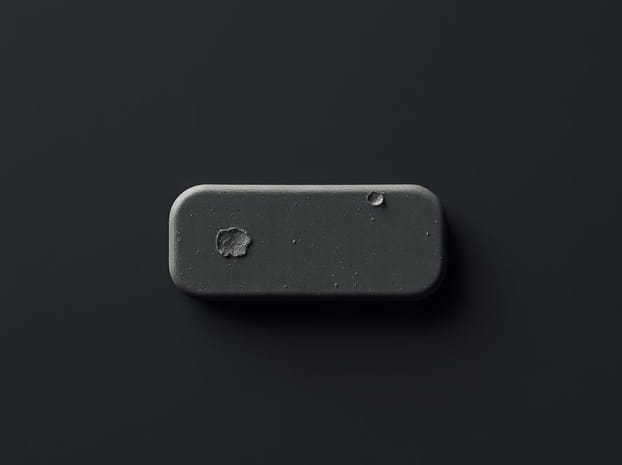
Clay Bar Marring Removal
Clay bars are a popular tool among car enthusiasts and detailers for removing embedded contaminants from paint, but they can sometimes leave behind a faint haze or light scratches known as marring. Clay bar marring is common, especially on softer paint systems or when improper techniques are used. Understanding what causes marring, how to prevent it, and how to remove it is essential for keeping a car’s finish looking smooth, glossy, and swirl-free. With the right approach, clay bar marring removal can be an easy step that restores a flawless finish to the vehicle.
What Causes Clay Bar Marring
Clay bar marring happens when the surface of the clay pulls contaminants but also lightly abrades the clear coat. This can be caused by several factors, including the hardness of the paint, the aggressiveness of the clay bar, and the amount of lubrication used during the process.
Common Causes
- Insufficient LubricationWithout enough lubricant, the clay bar can drag on the paint, leaving behind fine scratches.
- Using Aggressive ClayHeavy-duty clay bars are designed for tough contamination but can mar softer paint more easily.
- Dirty ClayIf contaminants build up in the clay and are not folded away, they can scratch the surface.
- Excessive PressurePressing too hard during claying can grind debris into the paint rather than lift it away.
How to Prevent Clay Bar Marring
While marring is sometimes unavoidable, especially on very soft paint, careful preparation and proper technique can greatly reduce the risk. Prevention is always better than correction when it comes to maintaining paintwork.
Best Practices for Claying
- Always wash and dry the vehicle thoroughly before claying to remove loose dirt.
- Use a dedicated clay lubricant or a quick detailer to ensure smooth gliding.
- Knead and fold the clay regularly to expose a clean surface.
- Use light to moderate pressure rather than forcing the clay against the paint.
- Work in small sections and wipe the area with a microfiber towel after claying.
Identifying Clay Bar Marring
After claying, inspect the paint under good lighting. Marring often appears as faint, cloudy streaks or very fine scratches visible at certain angles. On dark-colored cars, marring can be more noticeable, while on light-colored paint it might only be seen under direct sunlight or bright inspection lights.
Clay Bar Marring Removal Methods
If marring is present, it can usually be removed through light polishing. The goal is to refine the clear coat and bring back the original gloss. Depending on the severity of the marks, you may choose hand polishing or machine polishing.
Hand Polishing
For very light marring, a hand-applied finishing polish and a foam applicator pad may be enough. This method works well for small areas or for enthusiasts who do not own a machine polisher.
Machine Polishing
For more noticeable marring, a dual-action (DA) polisher with a light polishing pad and finishing polish is recommended. Machine polishing evens out the clear coat more effectively and restores clarity quickly.
- Start with the least aggressive polish and pad combination.
- Work on a small test area first to ensure good results.
- Use overlapping passes and moderate pressure.
- Wipe off residue with a clean microfiber towel and inspect.
Choosing the Right Polish
A finishing polish is usually sufficient for clay bar marring removal because the marks are shallow. Popular choices include products labeled as finishing polish” or “paint cleaner.” For very soft paint, an ultra-fine polish may be needed to avoid introducing new haze during correction.
Protecting the Paint After Correction
Once marring has been removed, it is important to protect the freshly polished paint. Applying a wax, sealant, or ceramic coating will lock in the smooth surface and make future claying easier. It also helps reduce the need for aggressive claying by preventing contaminants from bonding tightly to the clear coat.
Post-Clay Protection Steps
- Wipe down the surface with an isopropyl alcohol solution to remove polishing oils.
- Apply a quality wax or paint sealant for protection.
- Consider using a ceramic coating for long-lasting results.
- Maintain the finish with regular washing and quick detail sprays.
Alternative Decontamination Methods
Some enthusiasts prefer alternatives to clay bars to reduce the risk of marring. Synthetic clay mitts or towels, as well as chemical decontamination products like iron removers and tar removers, can help clean paint without as much friction. These options can minimize physical contact and lower the risk of scratches.
When to Seek Professional Help
If the vehicle has extremely soft or sensitive paint, or if the marring is deep and widespread, professional detailing services may be the best choice. Professional detailers have the tools and experience to safely correct paint defects without causing further damage.
Clay bar marring removal is a key step in achieving a truly flawless finish after decontaminating a car’s paint. With proper technique, lubrication, and gentle handling, marring can often be prevented altogether. If it does occur, light polishing by hand or machine can restore the paint’s gloss and clarity. Following up with protection helps maintain the result and reduces the risk of future paint damage. For car enthusiasts who value a deep, reflective shine, understanding how to handle clay bar marring is an essential part of the detailing process.