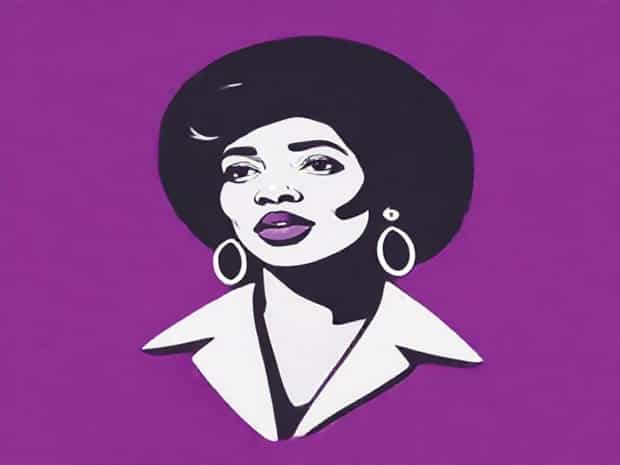
Marsha P Johnson Stonewall
Marsha P. Johnson remains one of the most iconic figures in the fight for LGBTQ+ rights, particularly for her pivotal role in the Stonewall uprising. Born on August 24, 1945, in Elizabeth, New Jersey, Johnson emerged as a powerful activist, performer, and outspoken advocate for marginalized communities during a time when discrimination against LGBTQ+ individuals was rampant. Her courage, resilience, and dedication to social justice made her a central figure in the historic events that unfolded at the Stonewall Inn in June 1969, which sparked the modern gay rights movement. Today, her legacy continues to inspire generations of activists fighting for equality and recognition.
Early Life and Challenges
Marsha P. Johnson faced numerous challenges growing up as a Black transgender woman in mid-20th century America. From an early age, she experienced societal marginalization and prejudice, which shaped her understanding of injustice and fueled her later activism. She moved to New York City in her teens, where she sought community and acceptance among other LGBTQ+ individuals in Greenwich Village. It was in this vibrant neighborhood that Johnson found a sense of belonging and began to assert her identity boldly, embracing both her queerness and her individuality as a performer and activist.
Marsha’s Role at the Stonewall Uprising
The Stonewall uprising, which began on June 28, 1969, was a spontaneous series of demonstrations by members of the LGBTQ+ community in response to a police raid at the Stonewall Inn, a popular gay bar in Manhattan. Marsha P. Johnson, along with other activists like Sylvia Rivera, was present during the uprising and played a key role in organizing and resisting police harassment. Her courage in confronting systemic oppression contributed to the visibility and momentum of the LGBTQ+ rights movement, transforming a moment of resistance into a symbol of liberation and hope for marginalized communities across the nation.
Activism Beyond Stonewall
Following the Stonewall uprising, Marsha P. Johnson continued her tireless activism. She co-founded the Street Transvestite Action Revolutionaries (STAR) with Sylvia Rivera, an organization dedicated to supporting homeless transgender youth and advocating for their rights. Through STAR, Johnson provided shelter, food, and guidance to countless individuals who had been rejected by society and their families. Her commitment to social justice extended beyond the LGBTQ+ community, addressing issues such as poverty, police violence, and systemic discrimination.
Advocacy and Public Visibility
Marsha’s visibility as a Black transgender woman and outspoken activist helped bring attention to issues that were often ignored or marginalized. She participated in protests, spoke at rallies, and appeared in media and public forums to raise awareness of the challenges faced by transgender individuals, particularly those from marginalized racial and socioeconomic backgrounds. Johnson’s advocacy emphasized the importance of intersectionality, highlighting how race, gender identity, and sexuality intersect to shape experiences of oppression and resilience.
Personal Life and Performance Art
In addition to her activism, Marsha P. Johnson was also a beloved performer, known for her flamboyant style, expressive personality, and creative energy. She often wore colorful outfits, flowers in her hair, and makeup that challenged societal norms, celebrating self-expression and individuality. Her performances, which included drag shows and public appearances, became a form of resistance, asserting the presence and dignity of LGBTQ+ individuals in public spaces. Johnson’s artistry complemented her activism, demonstrating that visibility and creativity are powerful tools for social change.
Legacy and Recognition
Despite facing systemic discrimination during her lifetime, Marsha P. Johnson’s contributions to LGBTQ+ rights have been increasingly recognized in recent years. She has become a symbol of resilience and courage, and her role in the Stonewall uprising is celebrated as a pivotal moment in the fight for equality. Various initiatives, documentaries, and memorials honor her legacy, ensuring that her life and work continue to inspire future generations. The Marsha P. Johnson Institute, founded to advocate for the rights of transgender and gender-nonconforming people, carries forward her mission, providing resources and support for those most in need.
Stonewall’s Historical Impact
The Stonewall uprising marked a turning point in the struggle for LGBTQ+ rights, and Marsha P. Johnson’s presence at the event underscores her importance in this history. The uprising catalyzed a national movement, leading to the formation of advocacy groups, pride marches, and increased visibility for LGBTQ+ issues. Johnson’s bravery and activism exemplify the power of grassroots organizing and community resilience. By standing up against oppression, she helped create a foundation for legal and social advancements that continue to benefit LGBTQ+ communities today.
Challenges Faced by Transgender Activists
Marsha P. Johnson’s life also highlights the ongoing struggles faced by transgender activists, particularly those of color. Issues such as discrimination, violence, homelessness, and lack of access to healthcare remain critical concerns. Johnson’s work with STAR and other initiatives sought to address these systemic challenges, demonstrating the importance of advocacy that centers marginalized voices. Her life story serves as both a warning and an inspiration, reminding us that social change requires courage, persistence, and solidarity.
Continuing the Fight for Equality
Today, Marsha P. Johnson’s legacy continues to inspire activists, artists, and community leaders around the world. Her commitment to justice, visibility, and support for marginalized communities serves as a guiding example for contemporary movements advocating for LGBTQ+ rights, racial justice, and social equity. Celebrating her life and achievements not only honors her memory but also strengthens ongoing efforts to create a more inclusive and equitable society for all.
Key Lessons from Marsha P. Johnson’s Life
- Courage in the Face of OppressionJohnson demonstrated the importance of standing up for oneself and one’s community, even in the face of systemic discrimination.
- Intersectional ActivismHer work highlighted how issues of race, gender identity, and sexuality intersect, emphasizing the need for inclusive advocacy.
- Community SupportBy founding STAR, she showed the power of providing resources and support to the most vulnerable members of society.
- Visibility and RepresentationThrough performance and public activism, Johnson promoted visibility and challenged societal norms, empowering others to express their identities freely.
- Enduring LegacyHer life reminds us that individual courage and collective action can create lasting social change.
Marsha P. Johnson’s impact on the LGBTQ+ movement, particularly through her role at the Stonewall uprising, cannot be overstated. Her activism, artistry, and advocacy continue to resonate, highlighting the importance of courage, community, and resilience in the face of adversity. By understanding her life and contributions, we gain insight into the struggles and triumphs of the LGBTQ+ movement, the significance of intersectional activism, and the enduring power of individuals to inspire transformative social change. Marsha P. Johnson remains a beacon of hope and a symbol of the ongoing fight for equality, justice, and human dignity.