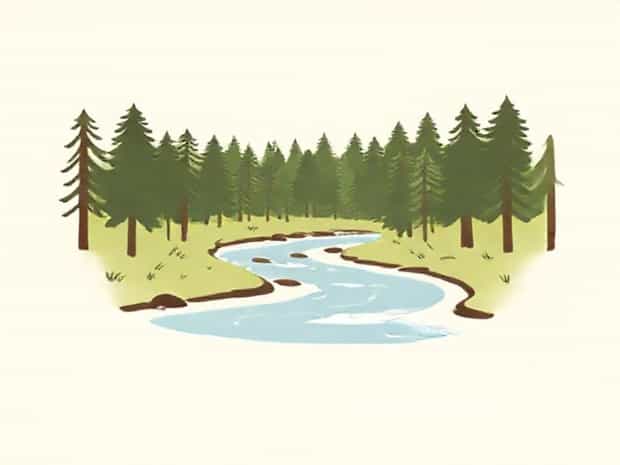
Johnson Creek Riparian Forest
Johnson Creek Riparian Forest is a vital ecological area that represents the unique interface between aquatic and terrestrial ecosystems. Located along the Johnson Creek watershed, this riparian forest supports a diverse array of plant and animal species while providing essential ecosystem services such as water filtration, flood control, and habitat connectivity. The forest plays a crucial role in maintaining water quality and regulating microclimates in the surrounding regions. Understanding the ecological significance, biodiversity, and conservation challenges of Johnson Creek Riparian Forest helps highlight the importance of protecting riparian zones, which are often threatened by urban development, pollution, and invasive species. These forests are not only ecologically valuable but also offer recreational and educational opportunities for the local community.
Ecological Significance of Riparian Forests
Riparian forests like Johnson Creek are transitional zones between land and water, characterized by high soil moisture, unique vegetation, and complex habitats. They serve as critical buffers that protect waterways from sedimentation, nutrient runoff, and pollution. The dense vegetation stabilizes stream banks, reducing erosion, and helps regulate water temperatures by providing shade, which is vital for fish and other aquatic organisms. Johnson Creek Riparian Forest contributes to the overall health of the watershed, supporting aquatic ecosystems and enhancing biodiversity. These forests also play a role in carbon sequestration, absorbing atmospheric carbon dioxide and helping mitigate climate change impacts.
Flora of Johnson Creek Riparian Forest
The plant communities in Johnson Creek Riparian Forest are diverse and include both native and adapted species. Common trees include willows, alders, cottonwoods, and maples, which provide canopy cover and habitat for birds and mammals. Understory vegetation includes shrubs such as dogwood and elderberry, along with ferns, sedges, and wildflowers that thrive in moist, shaded conditions. The diversity of plant life supports pollinators, insects, and small mammals, creating a complex web of interactions. Seasonal changes in the forest influence flowering, fruiting, and seed dispersal, which in turn affect the abundance and diversity of wildlife.
Fauna and Wildlife Habitat
Johnson Creek Riparian Forest provides essential habitat for a variety of wildlife species. Birds such as warblers, kingfishers, and herons rely on the forest for nesting, feeding, and shelter. Mammals including raccoons, beavers, and deer use the forest for foraging and protection. Amphibians and reptiles, such as frogs and salamanders, thrive in the moist, shaded environment near the creek. Aquatic species benefit from the forest’s role in maintaining water quality and providing woody debris, which creates microhabitats for fish and invertebrates. The forest’s biodiversity is an indicator of ecosystem health and highlights the interconnectedness of terrestrial and aquatic environments.
Hydrological Importance
The riparian forest along Johnson Creek significantly influences local hydrology. The dense root systems of trees and understory plants help absorb and slow runoff during heavy rains, reducing the risk of flooding downstream. By filtering sediments and pollutants, the forest improves water quality for both wildlife and human use. Seasonal fluctuations in water flow are moderated by the forest, which acts as a natural sponge, retaining water during wet periods and releasing it gradually during dry seasons. This hydrological buffering function is crucial for maintaining the stability and health of the creek ecosystem.
Recreation and Community Benefits
Beyond its ecological functions, Johnson Creek Riparian Forest offers recreational and educational opportunities for the surrounding communities. Hiking trails, birdwatching areas, and nature observation points allow residents to experience the beauty and diversity of the forest. Environmental education programs use the forest as an outdoor classroom, teaching students about riparian ecology, conservation, and sustainable land management. Access to green spaces like this forest also promotes mental and physical well-being, encouraging outdoor activity and fostering a connection to nature. The combination of recreation, education, and ecosystem services makes the forest a valuable asset for both humans and wildlife.
Conservation Challenges
Despite its importance, Johnson Creek Riparian Forest faces several conservation challenges. Urbanization and development along the watershed threaten habitat integrity and water quality. Invasive plant species can outcompete native vegetation, altering the structure and function of the forest. Pollution from stormwater runoff, agricultural activities, and litter can degrade water quality and affect both terrestrial and aquatic organisms. Climate change also poses risks through altered precipitation patterns, increased temperatures, and extreme weather events. Effective conservation strategies must address these threats through habitat restoration, invasive species management, pollution control, and community engagement.
Restoration and Management Efforts
Efforts to protect and restore Johnson Creek Riparian Forest involve collaboration between government agencies, non-profit organizations, and local communities. Restoration projects may include planting native trees and shrubs, removing invasive species, stabilizing stream banks, and improving water quality through pollution reduction initiatives. Riparian buffer zones are established to prevent further encroachment and maintain the ecological functions of the forest. Community involvement is critical, as local stewardship programs, volunteer planting events, and educational outreach foster a sense of ownership and responsibility for the forest’s long-term health. These initiatives help ensure that Johnson Creek Riparian Forest continues to provide habitat, water quality, and recreational benefits.
Monitoring and Research
Scientific research and monitoring are essential components of managing Johnson Creek Riparian Forest. Researchers study vegetation composition, wildlife populations, water quality, and hydrological dynamics to understand the forest’s ecological health. Long-term monitoring provides data to assess the effectiveness of restoration projects and informs adaptive management strategies. Research also contributes to broader knowledge about riparian ecosystems, offering insights into biodiversity conservation, climate resilience, and sustainable land use. By integrating science with community engagement, Johnson Creek Riparian Forest can be preserved and enhanced for future generations.
Educational and Cultural Significance
Johnson Creek Riparian Forest holds cultural and educational value for the surrounding communities. Schools and universities use the forest for field studies, teaching students about ecology, hydrology, and environmental stewardship. Local indigenous communities may also have historical and cultural connections to the creek and its surrounding forest, emphasizing the importance of respecting traditional knowledge in conservation practices. Public awareness campaigns, interpretive signage, and community events highlight the forest’s significance, encouraging sustainable interaction and appreciation of this natural resource. Education and cultural understanding complement ecological conservation, creating a holistic approach to protecting the riparian forest.
Johnson Creek Riparian Forest is a vital ecological, recreational, and educational resource that supports a wide range of plant and animal species while providing essential ecosystem services. Its role in maintaining water quality, stabilizing stream banks, and sustaining biodiversity highlights the importance of riparian zones in environmental conservation. Challenges such as urbanization, invasive species, and climate change require ongoing attention and management, emphasizing the need for restoration and community engagement. By understanding and valuing Johnson Creek Riparian Forest, individuals and communities can help preserve this unique and important ecosystem, ensuring that it continues to thrive for wildlife, education, and recreation for generations to come.