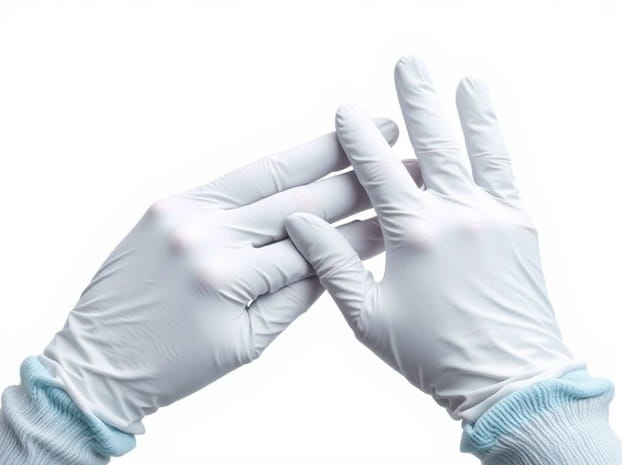
Gloves For Dyeing Hair
When it comes to dyeing hair, whether at home or in a professional salon, using the right gloves is essential to ensure safety, hygiene, and precision. Hair dye contains chemicals that can be harsh on the skin, causing irritation, staining, or even allergic reactions if not handled properly. Choosing the proper gloves protects your hands from these chemicals while allowing flexibility and dexterity needed for precise application. Beyond safety, gloves also contribute to a cleaner and more efficient dyeing process, reducing the risk of staining clothing or other surfaces. Understanding the different types of gloves, their materials, and best practices is key for anyone looking to achieve optimal results in hair coloring.
Types of Gloves for Dyeing Hair
Not all gloves are created equal when it comes to hair dyeing. The most commonly used types include
- Latex GlovesLatex gloves are flexible, durable, and provide a snug fit that allows for detailed work. However, some people may have latex allergies, making them unsuitable for everyone.
- Nitrile GlovesNitrile gloves are a popular alternative to latex. They are chemical-resistant, durable, and hypoallergenic, making them suitable for individuals with latex sensitivity.
- Vinyl GlovesVinyl gloves are generally less expensive and suitable for lighter hair dyeing tasks. They are less elastic and may not fit as snugly, so they may not be ideal for precise applications.
- Disposable vs. Reusable GlovesDisposable gloves are convenient for single-use dyeing sessions and reduce the risk of contamination. Reusable gloves, often made of thicker materials, can be used multiple times but require thorough cleaning after each use.
Choosing the Right Gloves
Selecting the right gloves depends on several factors, including the type of hair dye, the duration of use, and personal comfort. Nitrile gloves are often recommended for professional use due to their superior chemical resistance and durability. Latex gloves are also effective but require caution for those with allergies. Vinyl gloves are suitable for occasional home use but may not provide the same level of protection as nitrile or latex. Comfort and fit are crucial; gloves that are too tight can cause hand fatigue, while loose gloves may reduce control during application.
Benefits of Wearing Gloves While Dyeing Hair
Wearing gloves during hair coloring offers numerous advantages
- Skin ProtectionHair dyes contain chemicals like ammonia, peroxide, and para-phenylenediamine (PPD), which can irritate or damage skin. Gloves act as a barrier, preventing direct contact and minimizing the risk of rashes or burns.
- HygieneGloves maintain a hygienic environment, reducing the transfer of oils, dirt, or bacteria from hands to hair or scalp. This is especially important in professional salons where multiple clients are served daily.
- Preventing StainsHair dye can permanently stain skin and nails. Wearing gloves keeps hands clean and reduces the need for excessive washing or harsh chemicals to remove stains.
- Enhanced PrecisionWell-fitting gloves allow stylists and individuals to section hair, apply dye evenly, and execute intricate coloring techniques without slipping or losing control.
Best Practices for Using Gloves
Proper glove use enhances protection and comfort during hair dyeing
- Inspect Gloves Before UseCheck for tears or holes that could compromise protection.
- Proper SizingChoose gloves that fit snugly without restricting movement.
- LayeringIn some cases, especially with highly staining dyes, wearing two layers of disposable gloves can provide extra protection.
- Removal TechniquesRemove gloves carefully by peeling them inside out to avoid contact with dye on the outer surface.
- Disposal or CleaningDispose of single-use gloves after application. For reusable gloves, wash thoroughly with mild soap and water and allow them to dry completely before next use.
Gloves for Professional vs. Home Use
In professional settings, hair stylists often choose nitrile gloves for their durability, chemical resistance, and professional appearance. These gloves are designed to withstand long hours of use while providing tactile sensitivity for intricate coloring techniques. In contrast, home users may opt for vinyl or latex gloves for convenience and cost-effectiveness, especially when performing simple dye applications. Regardless of the setting, the principles of safety, hygiene, and precision remain the same.
Environmental Considerations
With growing awareness of environmental impact, some brands offer eco-friendly gloves made from biodegradable or recyclable materials. While disposable gloves are convenient, opting for environmentally conscious options can reduce waste. Reusable gloves made from durable, non-toxic materials also contribute to sustainability and can be a practical choice for frequent dye users.
Additional Tips for Hair Dyeing
In addition to wearing gloves, several practices enhance safety and effectiveness when dyeing hair
- Perform a patch test prior to full application to check for allergic reactions.
- Protect clothing and surfaces with old towels or disposable covers to prevent staining.
- Use applicator brushes or combs to distribute dye evenly and reduce skin contact.
- Follow manufacturer instructions regarding timing, mixing ratios, and storage.
- After dyeing, wash hands thoroughly even after glove removal to ensure no residual chemicals remain.
Gloves for dyeing hair are an indispensable tool for both safety and efficiency. Whether you are a professional stylist or an individual coloring hair at home, choosing the right gloves can prevent chemical irritation, maintain hygiene, and provide the control necessary for precise application. Nitrile, latex, and vinyl gloves each offer distinct benefits, and selecting the proper type depends on individual needs, sensitivity, and frequency of use. By following best practices, including proper sizing, careful removal, and disposal or cleaning, users can protect their hands while achieving beautiful, vibrant hair results. Incorporating gloves into your hair dyeing routine ensures a safe, clean, and professional experience, making them a critical component of any hair care regimen.
Ultimately, gloves are more than just protective accessories; they are essential for preserving the integrity of your skin, nails, and overall health while engaging in the creative and transformative process of hair coloring. With the right gloves, you can confidently experiment with styles, colors, and techniques without compromising safety, ensuring that every hair dyeing session is both enjoyable and successful.