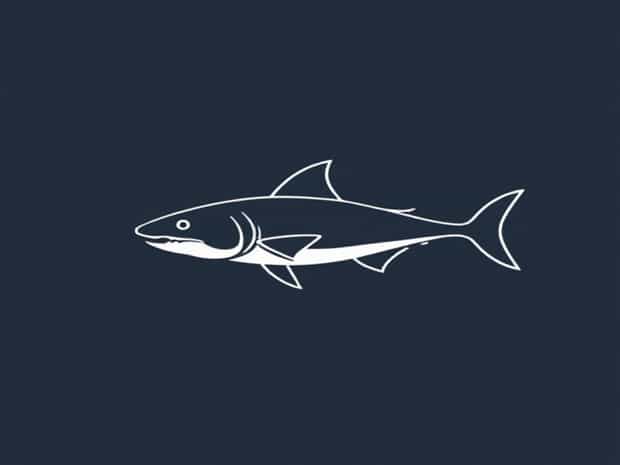
Jawless Cartilaginous And Bony Fish
The diversity of fish species in aquatic ecosystems is remarkable, ranging from primitive jawless forms to highly evolved bony fish. Fish are broadly categorized into jawless, cartilaginous, and bony fish, each displaying unique anatomical, physiological, and ecological characteristics. Understanding the differences among these groups is essential for studying vertebrate evolution, ecology, and fisheries science. Jawless fish represent some of the earliest vertebrates, while cartilaginous and bony fish show significant adaptations for survival in diverse aquatic habitats. Exploring their features provides insight into how vertebrate complexity has evolved over millions of years.
Jawless Fish (Agnatha)
Jawless fish, scientifically known as Agnatha, are the most primitive group of vertebrates. They are characterized by the absence of jaws, paired fins, and scales. Their body is elongated, eel-like, and supported by a notochord instead of a fully developed vertebral column. The lack of jaws limits their feeding strategies, and they primarily rely on suction or filter-feeding mechanisms. Modern representatives of jawless fish include lampreys and hagfish, which have survived relatively unchanged for hundreds of millions of years.
Characteristics of Jawless Fish
- No jaws They feed by suction using a circular mouth equipped with keratinized teeth or rasping structures.
- Notochord Provides structural support, as the vertebral column is absent or rudimentary.
- Lack of paired fins They swim using undulating movements of their flexible bodies.
- Cartilaginous skeleton The skeleton is primarily made of cartilage, lacking true bone.
- Respiration through gill pouches Multiple gill openings facilitate water flow for gas exchange.
Ecology and Behavior
Jawless fish occupy both marine and freshwater environments. Lampreys are often parasitic, attaching to other fish to extract blood and bodily fluids, while hagfish are scavengers, feeding on dead or decaying organic matter. Despite their simple body structure, jawless fish have adapted to survive in challenging habitats and play significant roles in aquatic ecosystems.
Cartilaginous Fish (Chondrichthyes)
Cartilaginous fish, classified under Chondrichthyes, represent a more advanced group compared to jawless fish. They possess jaws, paired fins, and a skeleton made entirely of cartilage, which is lighter and more flexible than bone. This group includes sharks, rays, and skates, which have been highly successful as predators and scavengers in marine ecosystems. The cartilaginous skeleton provides structural support while allowing efficient swimming, making them agile hunters in both shallow and deep waters.
Characteristics of Cartilaginous Fish
- Cartilaginous skeleton Provides flexibility and reduces body weight for efficient movement.
- Jaws with teeth Adapted for capturing, tearing, or crushing prey.
- Paired fins Including pectoral and pelvic fins for stability and maneuverability.
- Placoid scales Tooth-like scales that reduce drag and protect the skin.
- Internal fertilization Most species exhibit internal fertilization, with some giving live birth.
- Lack of swim bladder Buoyancy is maintained through large oily livers and dynamic swimming.
Feeding and Behavior
Cartilaginous fish are mostly carnivorous, preying on fish, mollusks, and crustaceans. Sharks, as apex predators, play a vital role in controlling prey populations and maintaining ecosystem balance. Rays and skates are often bottom feeders, using specialized mouthparts to crush shellfish. Their sensory systems, including the lateral line and electroreception, allow them to detect prey and navigate effectively in dark or murky waters.
Bony Fish (Osteichthyes)
Bony fish, or Osteichthyes, are the most diverse and abundant group of fish, encompassing over 30,000 species. Unlike cartilaginous fish, their skeleton is primarily made of bone, providing greater structural strength and protection. Bony fish possess jaws, paired fins, and a swim bladder, which helps regulate buoyancy and maintain energy-efficient swimming. This group includes familiar species such as salmon, goldfish, tuna, and seahorses, which inhabit freshwater and marine environments worldwide.
Characteristics of Bony Fish
- Bony skeleton Provides rigid support and protection for internal organs.
- Jaws with specialized teeth Adapted for a wide range of diets, from herbivorous to carnivorous feeding.
- Paired fins Allow precise movement and balance during swimming.
- Scales Cycloid, ctenoid, or ganoid scales protect the body and reduce friction in water.
- Swim bladder Regulates buoyancy and aids in maintaining depth without continuous swimming.
- External fertilization Most species release eggs and sperm into water, although some exhibit internal fertilization.
Diversity and Adaptation
Bony fish exhibit remarkable diversity in morphology, feeding strategies, and habitat preferences. They inhabit coral reefs, open oceans, rivers, lakes, and even extreme environments like deep-sea trenches. Adaptations such as different fin shapes, mouth structures, and coloration patterns enable bony fish to exploit various ecological niches. Their ability to regulate buoyancy using the swim bladder and their efficient respiratory system contribute to their evolutionary success.
Comparison of Jawless, Cartilaginous, and Bony Fish
Comparing these three groups highlights the evolutionary progression in vertebrate anatomy and physiology. Jawless fish represent the primitive form with simple structures, limited feeding strategies, and reliance on a notochord. Cartilaginous fish show an intermediate stage, with jaws, paired fins, and a flexible skeleton for active predation. Bony fish represent the most advanced group, with a rigid skeleton, swim bladder, and diverse adaptations for survival in multiple habitats.
Key Differences
- Skeletal StructureJawless fish have cartilaginous support; cartilaginous fish have cartilage skeletons; bony fish have true bony skeletons.
- Presence of JawsAbsent in jawless fish, present in cartilaginous and bony fish.
- FinsPaired fins absent in jawless fish, present in cartilaginous and bony fish.
- BuoyancyJawless and cartilaginous fish rely on body structure or oil in liver; bony fish use swim bladders.
- ReproductionJawless fish mostly external fertilization; cartilaginous fish internal fertilization; bony fish primarily external fertilization.
Evolutionary Significance
The progression from jawless to cartilaginous and bony fish represents a significant evolutionary trend toward complexity and adaptability. Jaws allowed more efficient feeding strategies, paired fins enhanced mobility, and bony skeletons provided structural advantages. Bony fish, in particular, demonstrate the highest diversity due to their ability to exploit different ecological niches and adapt to varying environmental pressures. Studying these groups provides insight into vertebrate evolution, the origin of terrestrial vertebrates, and the development of modern fish species.
Jawless, cartilaginous, and bony fish illustrate the evolutionary spectrum of vertebrates, from primitive to highly adapted forms. Jawless fish retain ancestral features with simple body plans, limited feeding mechanisms, and rudimentary skeletal support. Cartilaginous fish introduce jaws, paired fins, and flexible skeletons, enabling predatory lifestyles and efficient movement. Bony fish showcase advanced adaptations, including a rigid skeleton, swim bladder, and diverse morphology, allowing them to dominate aquatic habitats worldwide. Understanding these differences enhances our knowledge of vertebrate biology, ecological dynamics, and evolutionary history, emphasizing the importance of fish diversity in sustaining aquatic ecosystems.