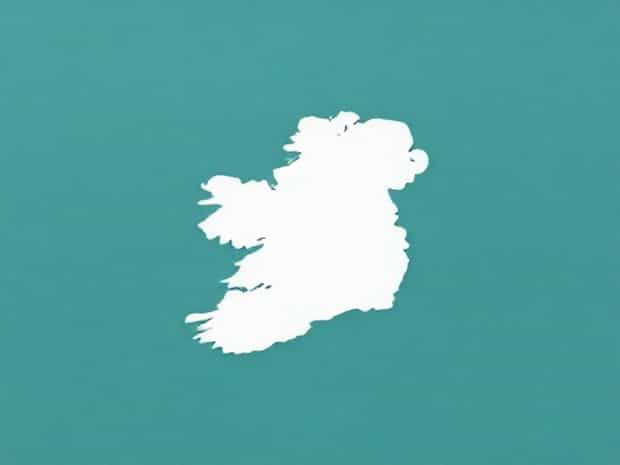
Is Tipperary In Northern Ireland
When people ask whether Tipperary is in Northern Ireland, they are often surprised by the answer. The county of Tipperary, famous for its lush landscapes, traditional Irish culture, and historical significance, is not part of Northern Ireland. Instead, it lies in the province of Munster, located in the southern half of the Republic of Ireland. This confusion is quite common because many visitors are not familiar with the political and geographical distinctions between Northern Ireland and the Republic of Ireland. Understanding where Tipperary is situated gives valuable insight into Ireland’s history, geography, and cultural identity.
Where Exactly Is Tipperary?
Tipperary is a large inland county located in the central-southern region of the Republic of Ireland. It shares borders with counties Limerick, Kilkenny, Waterford, Clare, and Galway, among others. Unlike counties in Northern Ireland, which belong to the United Kingdom, Tipperary is fully part of the Republic of Ireland and has been so since the partition of the island in the early twentieth century. The county is divided into two administrative areas North Tipperary and South Tipperary, although they are now managed as one local authority.
Understanding the Difference Between Northern Ireland and the Republic of Ireland
The confusion about Tipperary being in Northern Ireland often comes from not fully understanding the difference between the two regions of the island. Northern Ireland is made up of six counties and is part of the United Kingdom. The Republic of Ireland, on the other hand, consists of 26 counties and is an independent nation. Tipperary belongs to the Republic of Ireland and has no administrative or political ties to Northern Ireland.
Northern Ireland’s Counties
- Antrim
- Armagh
- Derry (Londonderry)
- Down
- Fermanagh
- Tyrone
These are the only six counties officially considered part of Northern Ireland, and Tipperary is not one of them.
The Historical Importance of Tipperary
Tipperary is one of Ireland’s most historically rich counties. It is known for its castles, abbeys, and connections to early Irish kings and warriors. The Rock of Cashel, one of the most iconic landmarks in Ireland, is located here. This site was once the seat of the Kings of Munster and today remains a symbol of Ireland’s medieval history. Tipperary has also been associated with significant events in Ireland’s fight for independence, making it deeply connected to Irish identity.
Cultural Identity of Tipperary
Culturally, Tipperary is deeply rooted in traditional Irish life. The county is well known for Gaelic games, particularly hurling, which is passionately supported in the region. The local music scene is also vibrant, and Tipperary has inspired many Irish songs. The famous war-time tune It’s a Long Way to Tipperary is perhaps the most internationally recognized reference to the county, even though it was written by an English songwriter. Nevertheless, it highlights Tipperary’s place in popular imagination.
Why the Confusion Exists
The question of whether Tipperary is in Northern Ireland comes up frequently among tourists and students of geography because the island of Ireland has a complex political history. Since the island is divided into two jurisdictions, people often assume that counties like Tipperary could belong to Northern Ireland. The name itself, being so well-known internationally, adds to the uncertainty. However, in reality, Tipperary has always been part of the southern half of the island and is strongly tied to Munster, one of the Republic of Ireland’s four provinces.
Tourism in Tipperary
Tourists who visit Tipperary often find themselves captivated by its scenic beauty and cultural richness. The county offers rolling countryside, charming villages, and famous landmarks. Some of the highlights include
- The Rock of Cashel– A medieval fortress and one of Ireland’s most visited heritage sites.
- Cahir Castle– A well-preserved castle situated on the River Suir.
- Lough Derg– A large lake popular for boating and fishing.
- Glen of Aherlow– A picturesque valley offering hiking and outdoor activities.
All these attractions emphasize Tipperary’s place within the Republic of Ireland rather than Northern Ireland.
Economic Life in Tipperary
Economically, Tipperary is known for its agricultural contributions, particularly dairy farming and livestock. The fertile land makes it a significant area for farming in Ireland. Additionally, tourism, heritage, and local crafts also contribute to the local economy. Unlike Northern Ireland, which has different political and trade ties due to its relationship with the United Kingdom, Tipperary operates within the Republic of Ireland’s economic system.
Political and Social Context
In political terms, Tipperary is represented in Dáil Ãireann, the parliament of the Republic of Ireland. It is not subject to the laws or governance of the United Kingdom. This distinction is important because it reinforces the idea that the county is completely separate from Northern Ireland. The social life in Tipperary reflects Irish traditions, festivals, and community gatherings that are common across the Republic.
Is Tipperary in Northern Ireland?
To answer the question clearly Tipperary is not in Northern Ireland. It is a county in the Republic of Ireland, situated in the province of Munster. While Northern Ireland consists of only six counties in the northeastern part of the island, Tipperary belongs firmly to the southern half and has always been part of the Republic. Understanding this not only clarifies geographical doubts but also allows a deeper appreciation of Ireland’s unique political and cultural landscape. For travelers, historians, and anyone curious about Irish geography, recognizing the difference between Northern Ireland and Tipperary is essential for gaining a true sense of Ireland’s identity.