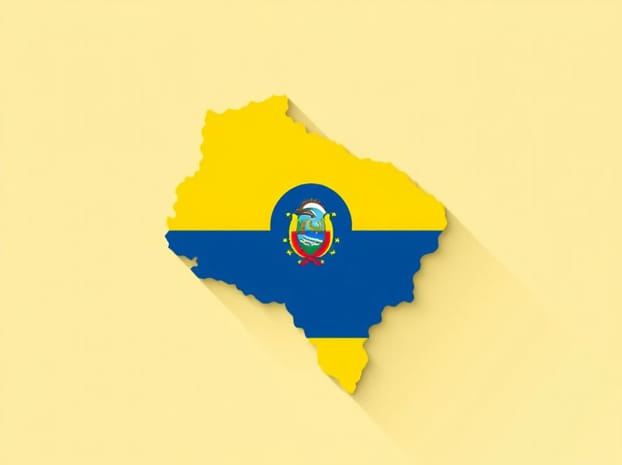
Gdp Per Capita Ecuador
Ecuador is a South American nation with a diverse economy, ranging from oil exports to agriculture and tourism. One of the most important indicators to understand its economic performance is GDP per capita. This measurement reflects the average economic output per person and gives insights into the standard of living. When examining GDP per capita Ecuador, it is essential to look at not only the numbers but also the historical trends, regional differences, and the impact of social and political policies on economic growth. By doing so, we can get a clearer picture of how the Ecuadorian economy is performing and what challenges lie ahead.
Understanding GDP Per Capita
Gross Domestic Product (GDP) per capita is calculated by dividing a country’s total GDP by its population. It represents how much value, on average, each person contributes to the economy. For Ecuador, GDP per capita is an important tool for comparing its development with other South American countries and with global averages.
Why GDP Per Capita Matters
Looking at GDP per capita Ecuador helps policymakers, investors, and citizens understand the country’s economic progress. While total GDP shows overall productivity, GDP per capita highlights whether economic growth is improving individual living conditions. This metric is commonly used to measure
- The standard of living in Ecuador
- Economic inequality compared to other nations
- Progress in key industries such as oil, agriculture, and tourism
- How Ecuador performs compared to its neighbors like Colombia or Peru
Historical Trends in Ecuador’s GDP Per Capita
Ecuador’s economy has gone through several stages of growth and instability. Oil discoveries in the 20th century boosted revenue, while periods of political instability slowed progress. Over the past two decades, Ecuador has made strides in expanding education, infrastructure, and healthcare, which has influenced GDP per capita figures.
The Oil Boom and Its Impact
Oil exports are central to Ecuador’s economy, and global oil prices directly affect GDP per capita. In years when oil prices were high, GDP per capita Ecuador increased significantly, giving the country more resources to invest in social programs and public services. However, during times of declining oil prices, economic performance slowed, showing the vulnerability of relying heavily on one sector.
Dollarization and Economic Stability
In 2000, Ecuador adopted the U.S. dollar as its currency. This move stabilized inflation and helped the country build stronger financial credibility. As a result, GDP per capita began to show more consistent growth, although the challenges of unemployment and inequality remained.
Current GDP Per Capita in Ecuador
Today, Ecuador’s GDP per capita reflects both its natural resource wealth and its growing industries. The economy is not only dependent on oil but also on agriculture products like bananas, coffee, and cocoa, as well as tourism driven by the Galápagos Islands. These sectors contribute to GDP growth, but income distribution remains uneven, meaning GDP per capita does not always reflect the full reality of citizens’ lives.
Comparison With Other Countries
When comparing GDP per capita Ecuador with other nations in South America, it falls in the middle range. Countries like Chile and Uruguay often report higher figures, reflecting stronger diversification and higher wages, while some neighbors have similar or lower levels. This positioning highlights Ecuador’s progress but also the need for continued reforms.
Factors Influencing GDP Per Capita Ecuador
Several key factors shape how Ecuador’s GDP per capita develops. These include natural resources, government policies, and global market conditions.
- Natural ResourcesOil remains the backbone of the economy, influencing both growth and stability.
- AgricultureEcuador is a leading exporter of bananas and cocoa, providing steady contributions to GDP.
- TourismVisitors to the Galápagos Islands and the Andes bring foreign income that supports local businesses.
- Government SpendingInvestments in healthcare, education, and infrastructure can increase productivity and raise GDP per capita over time.
- Global EconomyInternational demand for oil and agricultural products strongly affects export revenue.
Challenges to Improving GDP Per Capita
Despite progress, Ecuador faces several challenges in raising its GDP per capita. One major issue is inequality, as wealth is unevenly distributed between urban and rural regions. Another challenge is economic dependence on oil exports, which makes Ecuador vulnerable to global price fluctuations. Political instability has also occasionally slowed reforms and investment, impacting long-term growth potential.
Inequality and Regional Gaps
Urban areas like Quito and Guayaquil tend to have higher incomes and better access to services, while rural communities often struggle with poverty. This uneven distribution means that while the national GDP per capita Ecuador may look promising, it does not reflect the reality for all citizens.
Unemployment and Informal Work
Another challenge is the labor market. Many Ecuadorians work in informal sectors with limited job security, which affects productivity and earnings. Addressing unemployment and creating sustainable jobs is critical for improving per capita income.
Future Prospects for Ecuador’s GDP Per Capita
Looking ahead, Ecuador has opportunities to diversify its economy beyond oil and strengthen its GDP per capita growth. Expanding tourism, promoting technology, and investing in renewable energy are strategies that can reduce dependence on oil. At the same time, improving education and vocational training can raise workforce productivity.
Tourism and Sustainable Development
The country has strong potential in eco-tourism, especially with its world-famous Galápagos Islands. Expanding this sector can create jobs, attract foreign currency, and raise living standards while maintaining environmental protection.
Technology and Innovation
Encouraging digital innovation and supporting small businesses can also boost productivity. If Ecuador invests in technology hubs and supports entrepreneurship, GDP per capita can rise steadily in the coming decades.
GDP per capita Ecuador is a valuable indicator of the country’s economic performance and quality of life. While the nation has made significant progress, challenges such as inequality, reliance on oil, and unemployment still need to be addressed. By focusing on diversification, sustainable tourism, and innovation, Ecuador has the potential to strengthen its economy and improve the standard of living for all citizens. Understanding GDP per capita is not just about numbers it is about the real experiences of people and the opportunities they have to build a better future.