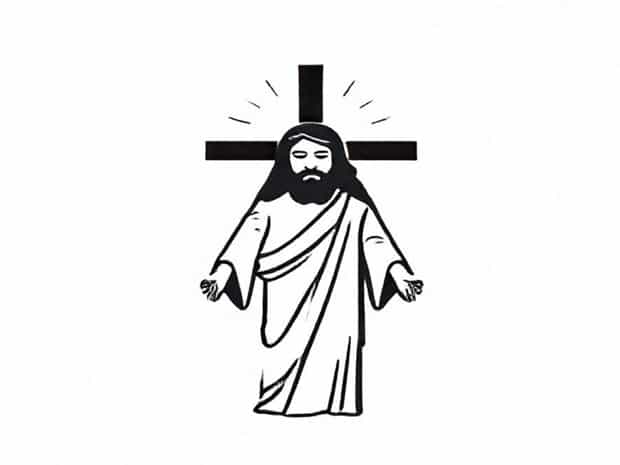
Is It Sacrilegious To Dress Up As Jesus
Throughout history, the figure of Jesus has held profound significance for millions of people across the globe. Representing the central figure of Christianity, his image is deeply tied to faith, worship, and reverence. This makes the idea of dressing up as Jesus a topic that sparks debate about respect, cultural expression, and potential sacrilege. While some may see it as a harmless costume choice for a party or event, others may perceive it as offensive or even blasphemous. Understanding why this subject is controversial requires exploring religious beliefs, cultural norms, and the broader context of freedom of expression.
Understanding the Religious Significance of Jesus
For Christians, Jesus is not simply a historical figure. He is viewed as the Son of God, the savior, and the central figure of their faith. His teachings form the foundation of Christianity, and his life story is central to religious traditions such as Christmas and Easter. Because of this sacred significance, portraying Jesus casually in a costume may be interpreted as trivializing or mocking deeply held beliefs.
Why Some Consider Dressing Up as Jesus Sacrilegious
The word sacrilegious refers to behavior that shows disrespect toward something considered holy. Dressing up as Jesus can be viewed as sacrilegious for several reasons
- It may reduce a sacred figure to a form of entertainment or satire.
- Costumes often exaggerate or simplify aspects of appearance, which can come across as disrespectful.
- In contexts such as parties or Halloween, the portrayal might be linked to alcohol, humor, or behavior inconsistent with religious reverence.
Examples of Offense Taken
Some religious communities have spoken out against depictions of Jesus in costumes, theatrical performances, or parodies. For many believers, even if the intent is not malicious, the act itself crosses a boundary of respect. What might seem like harmless fun to one group could be deeply insulting to another.
The Argument for Freedom of Expression
On the other hand, many argue that individuals should be free to express themselves through costume, satire, or artistic representation. Freedom of expression allows people to dress as historical, cultural, or religious figures without restriction. For some, dressing up as Jesus is not meant as mockery but as an appreciation of his role in history. Supporters of this view often emphasize intent if the portrayal is respectful rather than mocking, it may not be seen as offensive.
Cultural Context Matters
Whether dressing up as Jesus is seen as sacrilegious often depends on cultural and social context. In more secular societies, people may not view religious imagery as untouchable, and thus may not object strongly. In contrast, in communities where religion plays a central role in daily life, the act can be seen as crossing an important moral line.
Western vs. Non-Western Perspectives
In Western countries with diverse populations, opinions may vary widely. Some Christians may not mind playful representations, while others see it as highly offensive. In non-Western societies where Christianity is practiced as a minority religion, dressing up as Jesus might be even more sensitive because it touches on identity and respect for cultural diversity.
When It Might Be More Acceptable
There are circumstances where portraying Jesus is less likely to be seen as sacrilegious. For example, during church plays, nativity scenes, or religious education, individuals often take on the role of Jesus to teach or commemorate his life. In these contexts, the portrayal is done with reverence and purpose, aligning with religious traditions rather than contradicting them.
Artistic and Educational Uses
Portraying Jesus in films, plays, or educational settings can serve a purpose beyond entertainment. As long as it is handled with sensitivity, it may not be offensive but instead contribute to understanding and appreciation of his role in history and faith.
Potential Consequences of Dressing Up as Jesus
Even if one personally believes that dressing up as Jesus is harmless, there are potential social and personal consequences to consider. These include
- Alienating or offending religious friends, family, or community members.
- Facing criticism on social media or in public if the portrayal is deemed disrespectful.
- Being denied entry to certain events or gatherings where the costume is considered inappropriate.
Balancing Respect and Personal Choice
Ultimately, deciding whether it is sacrilegious to dress up as Jesus involves weighing personal freedom against respect for others. While one may argue that personal expression should not be restricted by religious sensitivities, it is also important to acknowledge that for billions of people, Jesus is not just another character. Balancing these perspectives requires empathy and awareness of the potential impact of one’s choices.
Alternatives to Consider
If someone wishes to represent values associated with Jesus, there are alternative ways to do so without risking offense. For example
- Dressing in simple robes to represent a generic biblical figure rather than explicitly Jesus.
- Choosing to express Christian values through acts of kindness rather than costume.
- Engaging in respectful artistic or educational portrayals rather than casual or humorous ones.
The Broader Debate on Religious Sensitivity
The question of whether dressing as Jesus is sacrilegious is part of a larger conversation about religious sensitivity in society. Similar debates arise with portrayals of figures from other faiths, such as prophets, saints, or deities. The balance between artistic freedom and respect is an ongoing challenge in multicultural societies.
Respect Across Different Religions
While Christianity is one of the most widely practiced religions, the principle of respect applies universally. Just as it may be offensive to depict Jesus casually, it may also be offensive to depict revered figures from Islam, Hinduism, Buddhism, or other traditions in inappropriate ways. This reinforces the importance of cultural awareness and empathy.
So, is it sacrilegious to dress up as Jesus? The answer depends on perspective, intent, and context. For many Christians, the act is deeply disrespectful because it trivializes a sacred figure central to their faith. For others, especially in more secular settings, it may simply be seen as a form of expression. While freedom of expression allows such choices, sensitivity to cultural and religious values remains essential. The decision ultimately comes down to balancing personal rights with an awareness of how one’s actions affect others. Being thoughtful in this balance ensures that freedom of creativity and respect for faith can coexist.
Apakah kamu ingin saya tambahkan satu bagian tentang sejarah penggunaan kostum religius dalam festival atau drama keagamaan untuk memperkaya perspektif artikel ini?