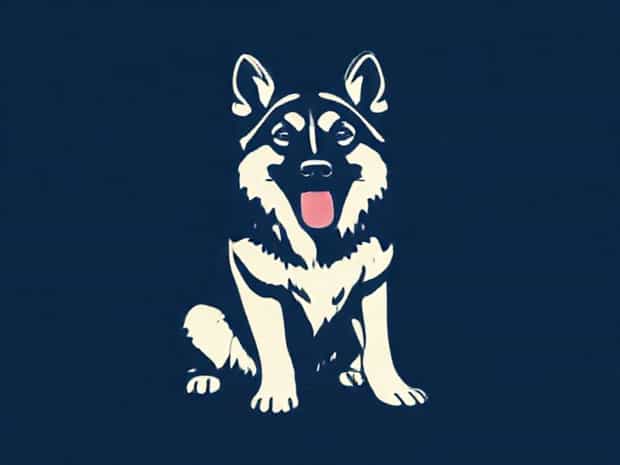
Is A German Shepherd A German Dog
When people hear the name German Shepherd, many immediately wonder if this popular dog breed truly comes from Germany. The name itself suggests a clear origin, but curiosity about its history, development, and traits often raises the question is a German Shepherd a German dog? To answer this properly, it is important to look at the breed’s background, its role in society, and how its German roots shaped the loyal, intelligent, and versatile companion that millions of people around the world know today.
The Origins of the German Shepherd
The German Shepherd is indeed a German dog. The breed was first developed in the late 19th century in Germany, where it was carefully bred to serve as a working dog. The man most often credited with creating the breed was Captain Max von Stephanitz, who sought to develop the ideal herding and working dog. By selectively breeding German herding dogs with desirable traits such as intelligence, strength, and obedience, he created what became the German Shepherd we know today.
Why Germany Was Key to the Breed
- Germany had a strong tradition of sheep farming, requiring skilled herding dogs.
- Breeders in Germany valued discipline, intelligence, and work ethic in dogs.
- The German military later recognized the usefulness of the breed, expanding its role.
The Role of German Shepherds in German Society
From the beginning, German Shepherds were not just family pets but workers. Their purpose was to guard flocks, assist farmers, and serve humans with reliability. In Germany, the breed quickly earned respect for its sharp instincts and loyalty. Soon, the dogs were not limited to farms but also became companions for police officers, military personnel, and search and rescue teams. This close connection to German culture reinforces the fact that the German Shepherd is a truly German breed at its core.
German Military and Police Influence
During the early 20th century, the German Shepherd became the preferred dog for police and military work in Germany. The First World War showed the world how useful these dogs could be. They were employed as messengers, guards, and even to assist injured soldiers. Their reputation as intelligent and brave dogs spread globally, but their identity remained tied to Germany.
Spread of German Shepherds Around the World
Although German Shepherds are German by origin, their popularity quickly grew beyond the country. After World War I, soldiers from other nations who had seen the breed’s capabilities brought them home. In the United States and the United Kingdom, German Shepherds gained fame in movies and television, further cementing their popularity as household pets and service dogs.
Names Outside Germany
- In Britain, the breed was at one point called the Alsatian due to anti-German sentiment after World War I.
- Eventually, the original name German Shepherd was restored, though some still use both terms.
Physical Characteristics of a German Dog
The German Shepherd’s appearance reflects its working origins. Strong, agile, and alert, the breed has a body designed for endurance and power. These physical traits are consistent with the rigorous demands of German farming and military traditions.
Key Features
- Medium to large size with muscular build
- Distinctive upright ears
- Double coat suited for various weather conditions
- Confident and alert posture
Temperament and Behavior
German Shepherds are often described as loyal, intelligent, and protective. These traits were emphasized during their development in Germany. Their temperament reflects their heritage as working dogs who were bred to obey commands, stay focused, and protect their families or flocks. Even today, these qualities are why they are among the most popular breeds worldwide.
Behavioral Traits Rooted in German Breeding
- High trainability due to intelligence
- Strong protective instincts
- Balanced mix of gentleness with family and assertiveness with threats
- Energy and stamina for long tasks
Why People Ask if a German Shepherd is a German Dog
The question often arises because of the breed’s international fame. Many countries have embraced the German Shepherd to such a degree that it feels like a local dog, even though it originated in Germany. The name changes, such as Alsatian, also add to the confusion. Still, historically and genetically, the breed is distinctly German.
The Symbolism of the Breed
In many ways, the German Shepherd reflects German cultural values discipline, intelligence, and reliability. Just as Germany is known for its precision engineering and strong work ethic, the German Shepherd embodies similar characteristics in the animal world. This symbolic connection reinforces the identity of the breed as a true German creation.
Modern Role of German Shepherds
Today, German Shepherds are not limited to Germany but serve important roles around the globe. They work in police units, serve as guide dogs for the visually impaired, participate in search and rescue missions, and remain beloved family pets. Despite their global reach, their German roots are always acknowledged in their name and history.
Examples of Modern Work
- Police and military service across many countries
- Guide dogs and service dogs for people with disabilities
- Companions in active family households
- Sport and competition dogs in obedience and agility trials
Comparing the German Shepherd to Other Breeds
When comparing German Shepherds to other popular breeds, their German identity stands out. While many breeds are named after their country of origin, few carry the same recognition worldwide. For example, the French Bulldog is associated with France, and the Siberian Husky with Siberia. Similarly, the German Shepherd’s very name is a constant reminder of its origin.
The German Shepherd is without a doubt a German dog. Its history, development, and cultural symbolism are deeply tied to Germany, where it was first bred for herding and working purposes. Over time, the breed’s intelligence, loyalty, and versatility allowed it to spread across the world, becoming one of the most recognized and admired dogs in history. While people in different countries may have adapted the name or claimed the breed as their own, the German Shepherd’s roots remain firmly planted in Germany. Its identity as a German dog is not just in its name but also in its legacy of strength, service, and companionship.