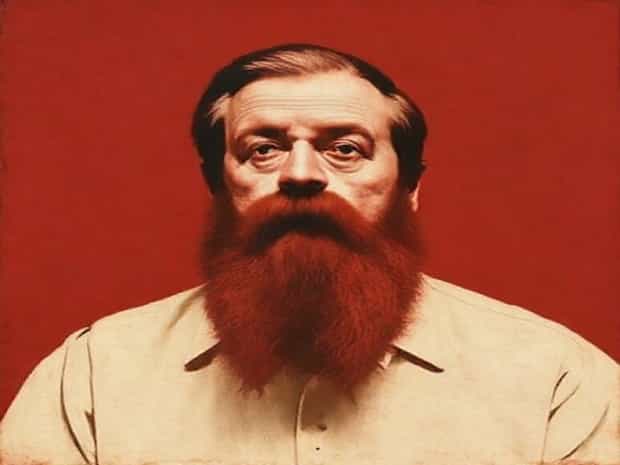
Francis Bacon National Portrait Gallery
The Francis Bacon exhibition at the National Portrait Gallery in London offered an extraordinary opportunity to explore the work of one of the 20th century’s most influential and controversial artists. Bacon, known for his intense and often unsettling portraits, challenged traditional notions of portraiture by capturing the psychological depth and raw emotion of his subjects. The exhibition, which drew attention from art enthusiasts, scholars, and the general public alike, presented a comprehensive overview of Bacon’s career, highlighting his distinctive style, his approach to human suffering, and the evolution of his artistic techniques over several decades. Visitors were able to engage directly with the paintings, gaining insight into both the artist’s life and the turbulent times that shaped his work.
Overview of the Exhibition
The exhibition at the National Portrait Gallery featured a wide selection of Bacon’s most significant works, including portraits of notable figures such as George Dyer, Lucian Freud, and Isabel Rawsthorne. Curators aimed to provide a chronological and thematic exploration, allowing visitors to trace the development of Bacon’s approach to portraiture from his early experiments to his mature style characterized by distorted forms and striking emotional intensity. Each section of the exhibition highlighted key periods in Bacon’s career, including his formative years in London, his time in Paris, and his interactions with other artists and intellectuals who influenced his work.
Key Themes and Artistic Techniques
- Distortion and ExpressionOne of the most distinctive features of Bacon’s portraits is the deliberate distortion of the human figure. Rather than striving for photographic realism, Bacon used twisted forms, exaggerated features, and unsettling compositions to convey the inner turmoil and vulnerability of his subjects.
- Psychological DepthBacon’s portraits are renowned for their ability to reveal the psychological state of the sitter. Through careful manipulation of posture, expression, and color, he communicated intense emotions such as despair, anxiety, and existential reflection.
- Use of Color and SpaceBacon often employed bold, contrasting colors and sparse backgrounds to isolate the figure and heighten the sense of drama. His use of geometric frames and void-like spaces further emphasized the subject’s emotional intensity.
- InfluencesVisitors could see the impact of earlier artists such as Velázquez, Rembrandt, and Picasso on Bacon’s work. The exhibition explored how he reinterpreted classical portraiture, infusing it with modern psychological complexity and personal experience.
Notable Works on Display
The exhibition showcased several of Bacon’s most iconic portraits. Among these was the series of paintings of George Dyer, Bacon’s lover and muse, whose presence in his work illustrates the intense personal connection and emotional depth that defined much of Bacon’s art. Other notable works included self-portraits that reveal Bacon’s own preoccupations with mortality and identity, and portraits of friends and patrons that combine a keen observational eye with expressive distortion. Each piece was accompanied by detailed notes and interpretive materials, providing insight into the context and significance of the work.
Visitor Experience
The exhibition was designed to offer a highly immersive experience, encouraging viewers to contemplate both the technical mastery and emotional power of Bacon’s portraits. Lighting, spacing, and wall color were carefully considered to enhance the dramatic impact of the paintings. Additionally, interactive displays and multimedia materials offered information about Bacon’s life, his artistic process, and the historical context of his work, allowing visitors to engage with the art on multiple levels. Educational programs, including guided tours and lectures, further enriched the visitor experience.
Critical Reception and Impact
The Francis Bacon exhibition received widespread acclaim for its thorough curation and the depth of insight it provided into the artist’s life and work. Critics praised the National Portrait Gallery for presenting Bacon’s often challenging and unsettling art in a manner that was accessible and thought-provoking. The exhibition reinforced Bacon’s reputation as a pioneering figure in modern portraiture, whose work continues to influence contemporary artists and provoke debate about the nature of representation, emotion, and identity in art.
Legacy of the Exhibition
By bringing together key works from public and private collections, the National Portrait Gallery highlighted Bacon’s enduring significance in art history. The exhibition not only celebrated his technical skill and expressive power but also explored the complex interplay between artist, sitter, and viewer. It demonstrated how Bacon transformed the genre of portraiture, challenging audiences to confront both the physical and psychological realities of the human condition. For scholars, collectors, and art lovers, the exhibition offered invaluable insight into the work of an artist whose influence resonates well beyond his lifetime.
The Francis Bacon exhibition at the National Portrait Gallery served as a powerful testament to the artist’s extraordinary ability to capture the essence of his subjects while confronting the darker aspects of human existence. Through its comprehensive selection of works, carefully curated thematic presentation, and engaging visitor experience, the exhibition allowed audiences to explore Bacon’s innovative approach to portraiture and appreciate his lasting impact on modern art. By examining his use of distortion, color, and psychological depth, visitors gained a deeper understanding of why Bacon remains a central figure in the study of contemporary portraiture, and why his work continues to captivate and challenge viewers around the world.