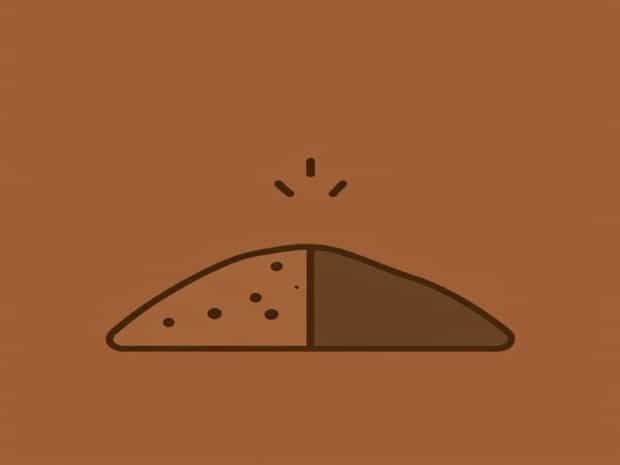
Fill Dirt Vs Topsoil
When planning landscaping or construction projects, soil choice becomes one of the most important factors in ensuring success. Two common options that people often hear about are fill dirt and topsoil. While both are types of soil, they serve very different purposes, and using the wrong one can lead to wasted time, money, and effort. Understanding the difference between fill dirt vs topsoil helps homeowners, gardeners, and builders make informed decisions that improve the stability of structures and the health of plants.
What Is Fill Dirt?
Fill dirt is a type of soil primarily made up of broken down rocks, sand, and clay. It has very little organic matter, meaning it is not ideal for growing plants. Instead, fill dirt is mostly used for structural purposes. Because it is stable and does not shift easily, it is commonly used to fill holes, level ground, and create strong foundations.
Characteristics of Fill Dirt
Some of the key features of fill dirt include
- Minimal organic content
- Excellent compaction abilities
- Low risk of settling over time
- Used for structural and construction projects
Since fill dirt is tightly packed and free of decomposing materials, it does not break down further after placement, making it a reliable base for building projects or landscaping adjustments.
What Is Topsoil?
Topsoil, on the other hand, is the uppermost layer of soil found in nature. It is rich in organic matter, nutrients, and microorganisms, making it essential for plant growth. Topsoil is typically darker in color compared to fill dirt and has a looser texture due to its higher organic content.
Characteristics of Topsoil
Important qualities of topsoil include
- High levels of organic matter
- Rich in nutrients that support plant life
- Good moisture retention
- Ideal for gardening, lawns, and landscaping projects
Topsoil provides the environment plants need to thrive. It is commonly used when planting new lawns, creating flower beds, or improving garden areas where fertility is essential.
Fill Dirt vs Topsoil Key Differences
Although both are types of soil, their uses differ significantly. Choosing between fill dirt vs topsoil depends on the purpose of the project. Using one in place of the other can cause serious problems. For instance, planting grass or vegetables in fill dirt will likely fail, while building a patio foundation with topsoil could lead to instability.
Composition
Fill dirt is made up mostly of inorganic materials such as sand, clay, and rock ptopics. Topsoil contains organic matter, microorganisms, and nutrients that plants need to grow.
Primary Use
Fill dirt is used for construction and structural purposes. Topsoil is used for planting, gardening, and landscaping where plant growth is the goal.
Stability
Fill dirt compacts tightly and does not decompose, which makes it stable for long-term construction. Topsoil breaks down over time as organic matter decomposes, so it is not stable enough for structural support.
Appearance
Fill dirt is often lighter in color and may look more sandy or clay-like. Topsoil is usually dark and crumbly because of its organic material content.
When to Use Fill Dirt
Fill dirt is not meant to grow plants but rather to shape and stabilize land. You should consider using fill dirt in the following situations
- Filling holes and low spots in a yard
- Creating a foundation for patios, driveways, or walkways
- Building up land to improve drainage
- Leveling ground before construction
- Preventing erosion on slopes when combined with other landscaping methods
Because it provides a firm base, fill dirt ensures that structures and hardscapes do not sink or shift over time.
When to Use Topsoil
Topsoil is essential wherever plant growth is the main focus. It is often added after fill dirt has been used to stabilize land. You should use topsoil in situations such as
- Planting new grass seed or sod
- Creating vegetable gardens or flower beds
- Improving soil fertility for landscaping projects
- Blending with compost to enrich poor soil
- Repairing bare patches in lawns
Because topsoil contains nutrients and organic matter, it creates an environment where roots can spread and absorb water efficiently.
How Fill Dirt and Topsoil Work Together
In many landscaping and construction projects, both fill dirt and topsoil are used together. Fill dirt provides the stable base, while topsoil is applied on top to encourage plant growth. For example, when leveling a yard for new sod, fill dirt is often used first to create a level surface. Then, a layer of topsoil is spread over it to ensure grass roots can grow properly.
Cost Comparison Fill Dirt vs Topsoil
The cost of fill dirt is generally lower than topsoil because it does not need to be nutrient-rich or heavily processed. Topsoil requires more preparation, including screening and enriching with organic matter, which makes it more expensive per cubic yard. However, investing in topsoil is necessary if the goal is to grow healthy plants, while using cheaper fill dirt is smarter for structural tasks.
Tips for Buying Fill Dirt and Topsoil
Before purchasing, it is important to evaluate your project needs. Here are a few tips to ensure you get the right type of soil
- Identify whether you need soil for building stability or for plant growth.
- Buy from a reliable supplier to ensure quality.
- Ask if the soil is screened to remove large debris.
- Order slightly more than you think you need to account for compaction and settling.
- Test the soil quality if using topsoil for gardening.
Common Mistakes to Avoid
People often confuse fill dirt and topsoil, leading to project setbacks. Some mistakes include
- Using topsoil as a base for patios or driveways, which causes sinking.
- Planting directly in fill dirt and expecting healthy growth.
- Failing to add topsoil over fill dirt when establishing lawns or gardens.
- Not checking soil quality before purchasing in bulk.
Environmental Impact of Using Fill Dirt and Topsoil
Both materials play important roles in managing land. Fill dirt often comes from construction sites or excavations, helping repurpose soil that might otherwise go unused. Topsoil is valuable for maintaining ecosystems since it supports plant growth and biodiversity. Responsible sourcing of both is important to avoid soil erosion and environmental damage.
Choosing between fill dirt vs topsoil depends entirely on your project goals. Fill dirt provides stability, structure, and support for building and landscaping adjustments, while topsoil delivers the nutrients necessary for healthy plant growth. In many cases, the best solution is to use them together fill dirt for the foundation and topsoil for the finishing layer. Understanding the differences ensures you make the right choice, saving both time and money while achieving lasting results in your yard or construction project.