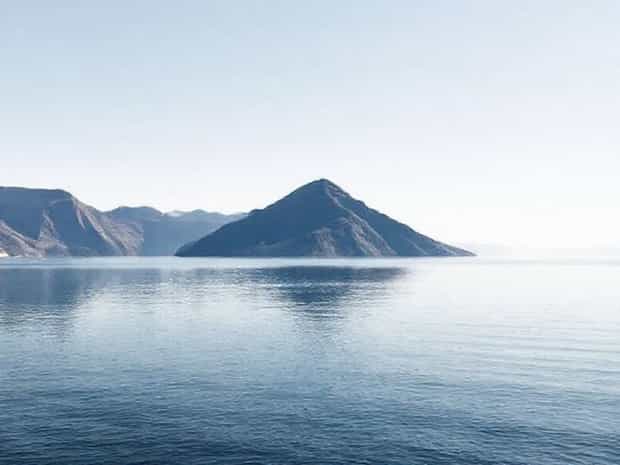
Facts About Wineglass Bay
Wineglass Bay is widely regarded as one of the most beautiful beaches in the world, located in the Freycinet National Park on the east coast of Tasmania, Australia. Its pristine white sand, turquoise waters, and dramatic surrounding mountains make it a must-visit destination for travelers seeking natural beauty and outdoor adventure. Wineglass Bay offers more than just breathtaking scenery; it is also a place rich in wildlife, history, and recreational opportunities. Visitors come to hike, swim, photograph, and explore the unique ecosystems of this iconic bay, making it a favorite for both domestic and international tourists.
Location and Geography
Wineglass Bay is situated within the Freycinet Peninsula, on Tasmania’s east coast. The bay is known for its distinct crescent shape, resembling a wineglass when viewed from above, which is how it received its name. It is surrounded by the rugged pink granite peaks of the Hazards mountain range, which create a dramatic backdrop for the turquoise waters and soft white sand. The bay is part of the Freycinet National Park, which covers approximately 132 square kilometers of protected wilderness, including coastal heathlands, forests, and granite mountains.
Access to Wineglass Bay
Reaching Wineglass Bay requires a combination of walking and driving. The most popular access point is from the Freycinet National Park Visitor Centre, which offers well-maintained walking tracks leading to the Wineglass Bay lookout. From the lookout, visitors can enjoy panoramic views of the bay before descending to the beach itself via a steep but rewarding trail. For those seeking a longer adventure, there are multi-day hikes that connect Wineglass Bay to other areas of the Freycinet Peninsula, providing opportunities to camp and explore remote parts of the park. Kayaking and boat tours are also available for those who prefer to experience the bay from the water.
Wildlife and Natural Environment
Wineglass Bay is home to a diverse range of wildlife and plant species, making it a rich area for nature enthusiasts. The bay and surrounding national park host native animals such as wallabies, wombats, echidnas, and various bird species including sea eagles and white-bellied sea eagles. Marine life is abundant as well, with seals, dolphins, and occasionally whales visible from the shore or by boat. The area’s vegetation includes coastal heath, dry sclerophyll forests, and unique wildflowers that bloom seasonally, adding vibrant colors to the landscape. Conservation efforts are in place to protect this fragile environment from the impact of tourism and climate change.
Flora and Vegetation
- Coastal heathlands with hardy shrubs and flowering plants
- Eucalyptus forests and dry sclerophyll vegetation
- Wildflowers that bloom during spring and summer months
- Native grasses and ferns along walking tracks and coastal areas
Activities and Recreation
Visitors to Wineglass Bay can enjoy a wide range of activities that highlight the natural beauty of the area. Hiking is one of the most popular pastimes, with trails ranging from short walks to full-day treks. The Wineglass Bay lookout walk offers spectacular views in a relatively short distance, while the longer Wineglass Bay Circuit combines multiple beaches and headlands for a full-day experience. Swimming, snorkeling, and kayaking allow visitors to experience the clear waters and observe marine life up close. Photography is another common activity, with the bay’s dramatic landscape providing stunning opportunities for both professional and amateur photographers.
Popular Hiking Trails
- Wineglass Bay Lookout Walk – Short trail with panoramic views
- Wineglass Bay Beach Trail – Steep descent to the beach
- Wineglass Bay Circuit – Full-day hike including Hazards Beach
- Mount Amos Track – Challenging hike with elevated views of the bay
History and Cultural Significance
Wineglass Bay has a rich history, with evidence of Aboriginal presence dating back thousands of years. Indigenous communities, particularly the Oyster Bay tribe, inhabited the region and relied on its coastal resources for food and materials. European settlement began in the early 19th century, and the area was used for whaling and small-scale farming. Today, the cultural history is preserved within the national park, with interpretive signage and guided tours providing insight into both Indigenous and European heritage. Understanding the history of Wineglass Bay enhances the visitor experience by connecting the natural environment with the people who have shaped it over time.
Conservation and Environmental Protection
Wineglass Bay and Freycinet National Park are protected areas, ensuring the preservation of their unique ecosystems and landscapes. Strict regulations help minimize human impact, including restrictions on camping, waste disposal, and off-trail exploration. Park authorities work closely with environmental organizations to monitor wildlife populations, restore native vegetation, and manage visitor numbers to reduce overcrowding. Education programs for visitors emphasize sustainable practices, such as carrying out all waste, staying on designated trails, and respecting wildlife. These efforts are crucial for maintaining the bay’s pristine condition for future generations.
Conservation Highlights
- Protection of endangered species and native wildlife
- Monitoring of marine and coastal ecosystems
- Restoration of native vegetation and control of invasive species
- Visitor education programs promoting sustainable tourism
Best Time to Visit
The best time to visit Wineglass Bay is during the warmer months, from November to April, when temperatures are ideal for hiking, swimming, and outdoor activities. Summer months offer longer daylight hours and clearer skies, perfect for photography and sightseeing. Winter visits can be colder and wetter, but the dramatic weather patterns and fewer tourists provide a unique experience for those seeking solitude and adventure. Seasonal considerations are important for planning hikes and outdoor excursions to ensure safety and comfort.
Seasonal Tips
- Summer Best weather for swimming and hiking, higher visitor numbers
- Autumn Cooler temperatures, fewer crowds, beautiful foliage
- Winter Fewer tourists, dramatic scenery, prepare for cold and wet conditions
- Spring Blooming wildflowers, moderate temperatures, ideal for photography
Wineglass Bay remains one of the most iconic destinations in Tasmania, offering a combination of natural beauty, wildlife, history, and recreational opportunities. From its crescent-shaped beach and crystal-clear waters to the surrounding Hazards mountain range, every aspect of the bay contributes to its reputation as a world-class location. Visitors can enjoy hiking, swimming, kayaking, wildlife observation, and photography while learning about the area’s cultural and environmental significance. Conservation efforts ensure that Wineglass Bay remains pristine and accessible for future generations, making it an essential destination for anyone exploring Tasmania or seeking unforgettable natural landscapes.