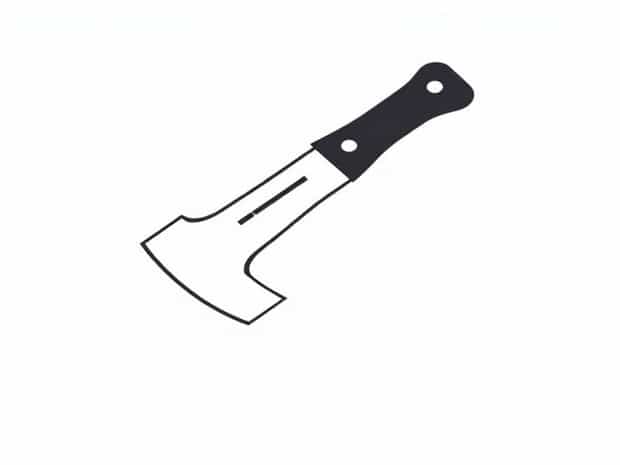
How To Sharpen A Hatchet
Sharpening a hatchet is an essential skill for anyone who enjoys camping, woodworking, or general outdoor activities. A dull hatchet not only reduces efficiency but also increases the risk of accidents, as it requires more force and can slip during use. Learning how to sharpen a hatchet properly ensures a clean, precise edge that makes chopping wood, trimming branches, and other tasks easier and safer. Understanding the right tools, techniques, and safety precautions is crucial for maintaining your hatchet’s performance and prolonging its lifespan. This guide provides step-by-step instructions on how to sharpen a hatchet effectively, whether you are a beginner or someone with prior experience.
Understanding the Anatomy of a Hatchet
Before sharpening, it is important to understand the key parts of a hatchet. Knowing the components helps you apply the correct techniques and avoid damaging the tool.
Hatchet Head
The head of a hatchet includes the blade and the poll. The blade is the sharp cutting edge, while the poll is the flat back used for hammering. Most sharpening efforts focus on the blade, but inspecting the entire head for cracks or chips is important before starting.
Handle
The handle provides leverage and control during use. Wooden, fiberglass, or composite handles are common. Ensure the handle is secure and free from cracks or splinters before sharpening to prevent accidents.
Tools Needed to Sharpen a Hatchet
Several tools can be used to sharpen a hatchet, each suited for different levels of dullness and precision. Choosing the right tool ensures effective sharpening and a durable edge.
Whetstone or Sharpening Stone
A whetstone is ideal for achieving a fine, precise edge. Coarse stones remove metal quickly, while fine stones polish and refine the blade. Water or oil may be used to lubricate the stone, depending on the type.
File
A metal file is useful for reshaping a very dull or chipped blade. Files remove more material than a whetstone and are typically used before refining the edge with a finer tool.
Honing Rod
After sharpening, a honing rod can be used to align the blade’s edge and maintain sharpness. This tool helps keep the hatchet ready for use without major reshaping.
Clamp or Vise
Securing the hatchet in a clamp or vise ensures stability and safety while sharpening. It prevents the hatchet from moving, allowing for more controlled strokes.
Step-by-Step Guide to Sharpening a Hatchet
Follow these steps to sharpen a hatchet efficiently and safely. Each stage focuses on creating a strong, sharp edge suitable for cutting and chopping.
Step 1 Safety First
Wear protective gloves and safety glasses to prevent injuries from slipping tools or metal filings. Ensure your work area is well-lit and free from distractions. Safety is the most important consideration when handling sharp tools.
Step 2 Secure the Hatchet
Place the hatchet in a clamp or vise, holding it firmly but without damaging the handle. The blade should be angled away from your body, allowing you to work comfortably and safely. Proper securing ensures consistent pressure and stroke angle during sharpening.
Step 3 Inspect the Blade
Check the blade for chips, nicks, or uneven edges. Minor damage can be corrected with a file, while significant chips may require professional repair. Identifying problem areas ensures that sharpening produces a smooth, even edge.
Step 4 Filing the Edge
If the hatchet is very dull, start with a metal file. Hold the file at the correct bevel angle, usually between 20 and 30 degrees for most hatchets. Stroke the file along the edge in one direction, applying consistent pressure. Alternate sides to maintain an even bevel.
Step 5 Using a Whetstone
Once the major shaping is complete, use a whetstone to refine the edge. Lubricate the stone with water or oil according to the manufacturer’s instructions. Hold the blade at the same bevel angle used with the file and move it across the stone in a sweeping motion. Repeat on both sides until a sharp edge is formed.
Step 6 Honing
After sharpening, use a honing rod to align the edge and remove any burrs. Run the blade along the rod at a consistent angle, alternating sides. Honing maintains the sharpness between major sharpening sessions and keeps the hatchet ready for use.
Tips for Effective Sharpening
To achieve the best results when sharpening a hatchet, consider these practical tips
- Maintain a consistent bevel angle throughout the sharpening process for a uniform edge.
- Use even, controlled strokes to avoid creating uneven or jagged edges.
- Work slowly and methodically, checking the edge frequently to prevent over-sharpening.
- Keep the sharpening tools clean and properly lubricated to reduce friction and wear.
- Store your hatchet in a protective sheath after sharpening to preserve the edge.
Maintaining a Sharp Hatchet
Regular maintenance ensures your hatchet stays sharp and safe for use. Frequent light sharpening and proper storage can extend the time between major sharpening sessions.
Regular Honing
Use a honing rod after each use or weekly if the hatchet is frequently used. Honing removes minor bends in the edge and maintains sharpness without removing significant metal.
Cleaning and Oiling
Keep the hatchet clean and dry to prevent rust. Apply a light coating of oil to the blade after sharpening or before storing. This protects the metal and preserves the sharp edge.
Safe Storage
Store the hatchet in a dry place, ideally in a sheath or protective cover. Avoid leaving it exposed, as moisture and accidental knocks can dull the blade or cause injury.
Sharpening a hatchet is a critical skill for anyone who uses this versatile tool. By understanding the hatchet’s anatomy, selecting the appropriate sharpening tools, and following a step-by-step process, you can achieve a sharp, durable edge. Safety precautions, consistent technique, and regular maintenance are essential for effective sharpening and long-lasting performance. Whether for chopping wood, camping, or outdoor projects, a well-sharpened hatchet improves efficiency, reduces effort, and enhances safety.
Mastering the art of sharpening a hatchet ensures that you can tackle a variety of tasks with confidence. Regular care, proper technique, and attention to detail not only extend the life of the hatchet but also make each use safer and more effective. With these guidelines, you can maintain a razor-sharp hatchet that is always ready for action.