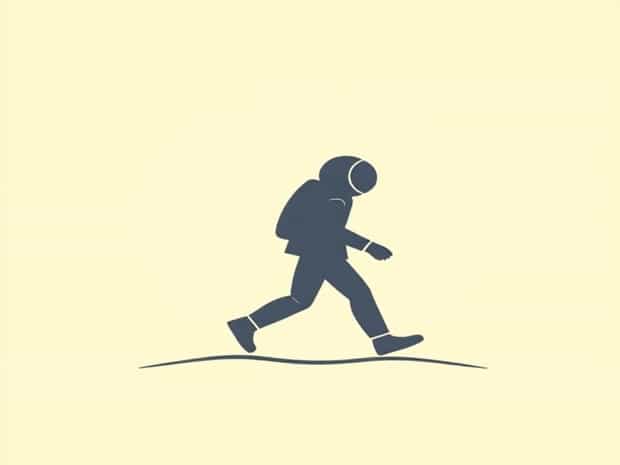
How To Moon Walk
The moonwalk is an iconic dance move that creates the illusion of gliding backward while appearing to walk forward. Popularized by Michael Jackson, this mesmerizing move captures attention with its smooth, seemingly gravity-defying motion. Learning how to moonwalk requires understanding the mechanics of footwork, balance, and body control. Practicing consistently and breaking down the movement into smaller steps allows dancers of all skill levels to achieve the illusion effectively. Mastering the moonwalk not only enhances your dance repertoire but also boosts confidence and adds flair to performances, making it a highly sought-after skill in both casual and professional settings.
Understanding the Moonwalk
The moonwalk is a backward sliding motion performed while keeping one foot flat and the other foot on its toes. The key to the illusion is smooth transitions between the flat foot and the tiptoe, combined with controlled body weight shifts. This creates the impression of effortless backward motion while appearing to move forward naturally. Understanding this basic principle is essential before attempting the move.
The Illusion Explained
When performing the moonwalk, one foot stays planted flat on the floor while the other foot is lifted slightly on its toes. By sliding the flat foot backward while lowering the tiptoe foot and alternating, the body appears to glide. The illusion works best when the upper body remains relaxed and minimal vertical movement occurs. Practicing in front of a mirror can help perfect the visual effect.
Preparing to Moonwalk
Preparation is crucial for executing the moonwalk effectively. Ensuring proper footwear, a smooth surface, and practicing warm-up exercises can prevent injuries and improve performance.
Footwear and Surface
- Wear shoes with smooth soles for easy sliding and minimal friction.
- A flat, polished floor or wooden surface works best for consistent motion.
- Avoid rough surfaces that can catch the shoe and break the illusion.
Stretching and Warm-Up
Before attempting the moonwalk, stretch your legs, ankles, and calves to improve flexibility and reduce the risk of injury. Warm-up exercises such as calf raises, ankle rotations, and light jogging in place help prepare the muscles and joints for the sliding movement.
Step-by-Step Moonwalk Technique
Breaking down the moonwalk into smaller steps allows for gradual learning and helps beginners master each component before combining them into a fluid motion.
Step 1 Start Position
Stand upright with your feet together and weight evenly distributed. Relax your upper body, keeping your shoulders loose and arms naturally at your sides. Proper posture sets the foundation for smooth motion.
Step 2 Lift the Toe
Lift one foot onto its toes while keeping the other foot flat on the floor. The flat foot will slide backward while the toes remain elevated. Ensure your knees remain slightly bent to maintain balance and fluidity during the movement.
Step 3 Slide the Flat Foot
Shift your weight onto the tiptoe foot and slide the flat foot backward smoothly. The motion should be controlled and consistent, avoiding abrupt jerks that can break the illusion. Maintain a straight upper body and minimize vertical movement for a gliding effect.
Step 4 Alternate Feet
Once the flat foot reaches the end of its slide, lower the tiptoe foot to the floor and lift the other foot onto its toes. Continue sliding the newly flat foot backward while maintaining the alternating rhythm. The key to a successful moonwalk is seamless transitions between feet with controlled weight shifts.
Step 5 Incorporate Arm Movement
While the feet perform the moonwalk, add subtle arm movements for naturalism. Arms can swing gently or remain relaxed at your sides. Avoid exaggerated movements that distract from the illusion of gliding.
Practicing the Moonwalk
Consistent practice is essential for perfecting the moonwalk. Start slowly, focus on each step, and gradually increase speed as confidence and coordination improve.
Mirror Practice
Practicing in front of a mirror allows you to observe your movements and refine the illusion. Watch for smooth transitions, upper body control, and consistency in foot positioning. Correct mistakes immediately to develop muscle memory.
Gradual Speed Increase
Begin by performing the moonwalk slowly to master technique. As proficiency increases, gradually increase speed while maintaining smooth motion and balance. Practicing with music can help develop rhythm and timing.
Common Mistakes to Avoid
Being aware of common errors helps dancers avoid frustration and achieve a more convincing moonwalk.
- Lifting the heel too high or too low, breaking the illusion of sliding.
- Uneven weight distribution causing loss of balance.
- Jerky or abrupt foot slides that disrupt the smooth glide.
- Excessive upper body movement that distracts from the footwork.
- Neglecting knee flexibility, leading to stiffness during transitions.
Advanced Moonwalk Techniques
Once comfortable with the basic moonwalk, dancers can experiment with variations and styles to enhance their performance.
Directional Variations
Practice moonwalking in different directions, including diagonal or circular movements, to add complexity and visual interest.
Incorporating Spins and Turns
Advanced dancers can combine spins, turns, or slides into the moonwalk for dynamic performance sequences. Focus on maintaining balance and foot control during these transitions.
Performance Tips
- Maintain eye contact with the audience or camera for confidence.
- Keep upper body relaxed to enhance the illusion of effortless gliding.
- Practice with different music tempos to adapt to various performance settings.
- Combine with other dance moves for choreography and flow.
Learning how to moonwalk is a rewarding process that combines footwork, balance, and body control to create the illusion of effortless backward gliding. By breaking the move into steps, practicing consistently, and focusing on smooth transitions, anyone can master this iconic dance move. Proper footwear, a suitable surface, and attention to posture enhance technique and prevent injury. Gradual practice, mirror feedback, and awareness of common mistakes help refine the motion and achieve a convincing moonwalk. With dedication and creativity, the moonwalk can become a signature skill, adding flair and confidence to any dance performance, whether casual or professional.