Egrets With Buffaloes Are An Example Of
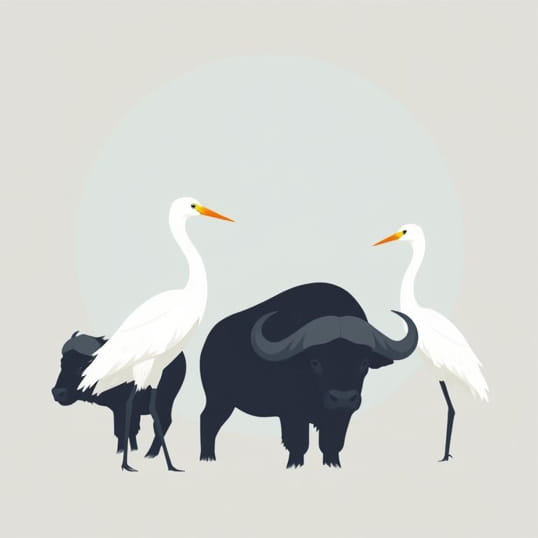
Observing egrets perched on or following buffaloes in a grassland or wetland setting is a striking example of a natural phenomenon that has fascinated ecologists and bird watchers alike. This interaction between egrets and buffaloes is more than just a picturesque scene; it represents a specific type of ecological relationship that benefits both species in distinct ways. The sight of white egrets moving alongside massive, dark-skinned buffaloes offers insight into interspecies interactions, mutualism, and behavioral adaptations in the wild. Understanding this relationship helps illustrate key principles of ecology and the intricate ways in which different organisms coexist in their environment.
The Ecological Relationship Between Egrets and Buffaloes
The association of egrets with buffaloes is a classic example of a symbiotic relationship, specifically commensalism. In commensalism, one species benefits from the interaction, while the other is neither harmed nor significantly benefited. Egrets gain easy access to insects and other small creatures stirred up by the movement of buffaloes, allowing them to feed efficiently with minimal effort. Buffaloes, on the other hand, are largely unaffected by the presence of these birds. This relationship demonstrates how different species can occupy complementary niches within an ecosystem, facilitating survival and foraging efficiency.
Benefits for Egrets
-
Food AcquisitionAs buffaloes graze and trample through grass or muddy areas, they disturb insects, worms, and small invertebrates. Egrets capitalize on this disturbance to catch prey with minimal hunting effort.
-
ProtectionThe large presence of buffaloes may offer egrets a form of indirect protection from predators, as approaching threats are more likely to be noticed or deterred by the massive animals.
-
EfficiencyBy following buffaloes, egrets reduce the energy they would otherwise spend searching for food independently in the grasslands or wetlands.
Impact on Buffaloes
Buffaloes generally do not gain significant direct benefits from egrets, nor do they suffer harm from their presence. The egrets’ feeding does not interfere with the buffaloes’ movement or grazing. However, there is a subtle indirect benefit that may sometimes be observed by removing insects, egrets can slightly reduce irritation caused by pests to buffaloes, although this is more incidental than a primary advantage. This aspect demonstrates the subtle complexities of ecological interactions where not all effects are immediately apparent.
Other Examples of Commensalism in Nature
The egrets-and-buffaloes scenario is one example of commensalism, and similar relationships can be observed throughout nature. Studying these interactions provides insight into how species coexist without direct competition for resources. Examples include barnacles attaching to whales, birds nesting in trees, and remoras attaching to sharks. In each of these cases, one species gains a clear benefit, while the other remains largely unaffected. The consistent pattern across ecosystems highlights the widespread nature of commensalism in maintaining ecological balance.
Barnacles on Whales
Barnacles attach to the skin of whales, gaining a mobile platform that exposes them to plankton-rich waters. The whales are not harmed by the barnacles, making this a clear example of commensalism. Similar to egrets on buffaloes, the barnacles utilize the movement of a larger species to access resources with minimal effort.
Birds in Trees
Many birds build nests in trees, gaining shelter and protection for their young without affecting the trees significantly. The trees provide a structural advantage, while the birds benefit from safety against ground predators. This mirrors the efficiency egrets gain by using buffaloes as mobile foraging platforms.
Behavioral Adaptations of Egrets
Egrets have evolved behaviors that make them particularly suited to take advantage of buffalo movements. Their keen eyesight allows them to spot insects and other small prey quickly, while their agility enables them to follow the often unpredictable paths of buffaloes. These adaptations maximize the benefits of commensalism and demonstrate how species evolve to exploit ecological opportunities. Furthermore, egrets’ white plumage may serve as a visual signal for flock coordination, allowing multiple birds to forage together efficiently around the same buffaloes.
Seasonal and Environmental Factors
The visibility of egrets with buffaloes may vary with seasons and environmental conditions. During wet seasons, when insects are abundant, this behavior becomes more pronounced as egrets have more food to exploit. Conversely, during dry periods, the interaction may be less noticeable due to reduced prey availability. Similarly, in areas with dense vegetation, the association might be limited as the buffaloes’ movements disturb fewer insects. Such environmental considerations demonstrate the dynamic nature of commensal relationships in ecosystems.
Significance in Ecosystem Dynamics
The interaction between egrets and buffaloes illustrates important principles in ecosystem dynamics. By following buffaloes, egrets contribute to the control of insect populations, maintaining a natural balance in the grassland or wetland environment. This type of interspecies interaction highlights the interconnectedness of ecosystems, where the behavior of one species indirectly influences others. Understanding these relationships is crucial for conservation efforts and ecosystem management, especially in areas where habitat changes might disrupt traditional ecological patterns.
Implications for Conservation
-
Preserving grasslands and wetland habitats ensures the survival of both buffaloes and egrets, maintaining their ecological interactions.
-
Understanding commensal relationships can inform wildlife management practices, such as grazing policies or habitat restoration efforts.
-
Studying these interactions provides insight into how human activities, such as deforestation or land conversion, may disrupt natural commensal systems.
Egrets with buffaloes provide a clear and compelling example of commensalism in the natural world. The egrets benefit from easy access to prey disturbed by the buffaloes, while the buffaloes remain largely unaffected. This interaction showcases the adaptability of species, the efficiency of ecological relationships, and the intricate balance present in ecosystems. By examining such examples, we gain a deeper understanding of interspecies dynamics, behavioral adaptations, and the importance of preserving habitats that support these interactions. Observing egrets following buffaloes is more than just an aesthetically pleasing scene; it is a vivid demonstration of how species can coexist and thrive through subtle, mutually compatible behaviors that contribute to the overall health of their environment.