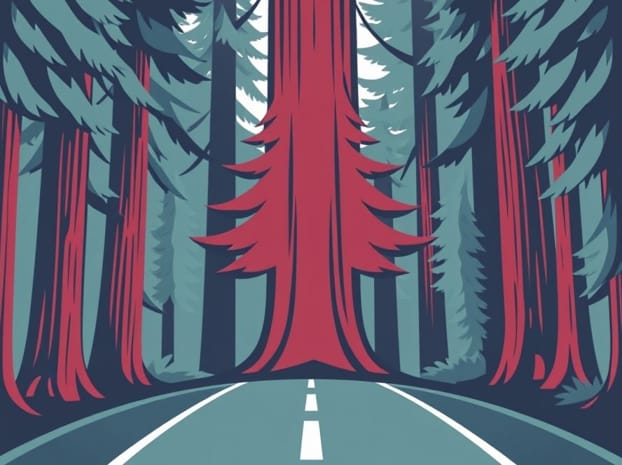
Drive Through Redwood Tree
The concept of a drive-through redwood tree is a fascinating blend of natural wonder and human creativity, allowing visitors to experience the grandeur of some of the world’s tallest trees in a unique way. These giant trees, native to the coastal regions of Northern California, have captivated the imagination of travelers for decades. The idea of driving a vehicle through the hollowed trunk of a mature redwood offers a memorable encounter with nature, combining awe-inspiring scenery with an interactive experience. These attractions provide a glimpse into the scale and majesty of redwoods, creating lasting memories for families, tourists, and nature enthusiasts alike.
Historical Background of Drive-Through Redwoods
The practice of creating drive-through redwood trees originated in the early 20th century when tourism to the Redwood forests began to flourish. Entrepreneurs and park operators sought to create attractions that would entice visitors and provide a novel experience with these ancient trees. Hollowing out naturally decayed sections of redwoods allowed cars, buses, and even small trucks to pass through without significantly harming the trees, although modern conservation efforts are stricter about maintaining tree health and sustainability. These iconic features became widely known for their photo opportunities and the sheer thrill of driving through nature on a massive scale.
Notable Drive-Through Trees
- Chandelier Tree in Leggett, California – one of the most famous drive-through redwoods.
- Tour-Thru Tree in Klamath, California – located near the Redwood National and State Parks.
- Shrine Drive-Thru Tree in Myers Flat – historically significant and popular with tourists.
- Tourist Trees along Highway 101 – several locations offer similar experiences for visitors.
- Drive-through experiences in private Redwood groves – often with smaller vehicles and guided tours.
Geography and Distribution of Redwood Trees
Redwood trees, particularly the coast redwood (Sequoia sempervirens), thrive along the foggy coastlines of Northern California and Southern Oregon. These regions provide the ideal climate, with cool temperatures, abundant rainfall, and persistent coastal fog. The distribution of redwoods is concentrated primarily in protected state and national parks, though several private groves and roadside attractions host individual trees suitable for drive-through experiences. Visitors seeking to encounter these trees in their natural environment can also explore hiking trails, scenic drives, and forest reserves where the trees grow in abundance.
Redwood Ecosystem Features
- High levels of rainfall and frequent fog create a moist environment conducive to growth.
- Temperate coastal climate with mild winters and cool summers.
- Rich soil composition that supports the growth of large, long-lived trees.
- Dense forest canopy providing habitat for diverse wildlife species.
- Natural occurrences of fire and decay contributing to hollowed trunks suitable for drive-through paths.
Visitor Experience and Safety Considerations
Driving through a redwood tree offers an unforgettable perspective on the scale of these giants. Visitors often report a sense of awe when maneuvering a vehicle through a trunk that may exceed 20 feet in diameter. While the experience is thrilling, safety measures are essential. Most drive-through redwood attractions regulate vehicle size, speed, and the number of vehicles permitted at a time. Designated parking areas, staff supervision, and clear signage help ensure a safe and enjoyable experience for all guests, allowing families, tourists, and photographers to capture the moment without risk.
Visitor Guidelines
- Observe vehicle size restrictions – larger trucks or buses may not fit safely.
- Follow staff instructions and posted signs for safe passage.
- Maintain low speeds to prevent accidents or tree damage.
- Be mindful of pedestrians and other visitors taking photographs.
- Ensure proper lighting and visibility, especially during dusk or foggy conditions.
Conservation and Environmental Impact
While drive-through redwood trees are an iconic attraction, they also raise important conservation considerations. Redwoods are ancient trees with long lifespans, and their preservation is crucial for maintaining biodiversity and forest health. Hollowing trees can create opportunities for tourism, but careful management is required to prevent stress or damage to living trees. Modern approaches emphasize protecting ecosystems, limiting human impact, and educating visitors on sustainable interaction with these natural wonders. Many parks and private attractions now focus on preserving the trees while offering safe, low-impact experiences.
Conservation Practices
- Regular monitoring of tree health and structural stability.
- Use of reinforced or stabilized hollow trunks to prevent collapse.
- Limiting vehicle traffic to reduce soil compaction and root damage.
- Educational signage promoting environmental awareness.
- Encouraging off-site photography to minimize human interaction stress.
Photography and Tourism Appeal
The drive-through redwood experience is especially appealing to photographers and tourists seeking unique perspectives of the forest. Capturing a vehicle entering a massive tree trunk highlights the incredible scale of these trees. Many families document the experience for social media or personal collections, making the attraction a highly photographed landmark. In addition, these trees often serve as gateways to larger forest explorations, drawing visitors who wish to hike, camp, and discover other natural wonders in the surrounding areas.
Tourist Tips for Photography
- Visit during daylight hours for optimal lighting conditions.
- Use wide-angle lenses to capture the scale of the tree trunk.
- Include a vehicle or person in the frame for perspective.
- Respect guidelines – do not climb on the tree or disturb the environment.
- Explore nearby forest trails for additional scenic shots.
Drive-through redwood trees offer a rare and thrilling way to connect with some of the oldest and tallest living organisms on Earth. Combining natural beauty with interactive tourism, these attractions allow visitors to experience the grandeur of redwoods in a memorable and accessible manner. While the focus is on awe and enjoyment, responsible management, safety considerations, and conservation awareness are essential to maintaining the integrity of these natural giants. By visiting drive-through redwood trees with respect for their environment, tourists can create lasting memories while supporting the preservation of these extraordinary forest ecosystems. Whether for photography, family outings, or a unique adventure, the drive-through redwood experience remains a celebrated and iconic feature of Northern California’s natural landscape.