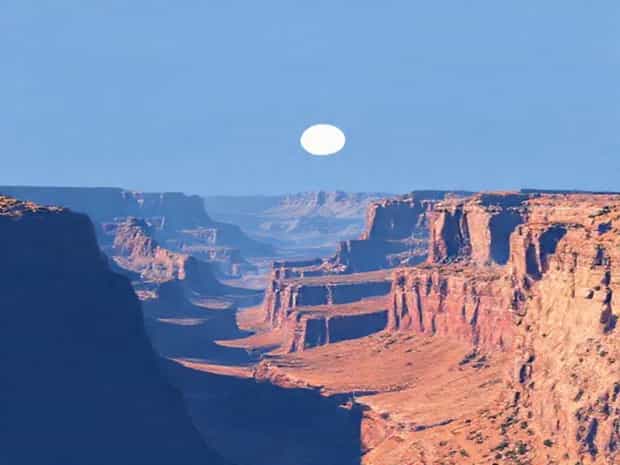
Distance Rim To Rim Grand Canyon
The Grand Canyon is one of the most iconic natural landmarks in the United States, drawing millions of visitors every year from around the world. Its breathtaking vistas, dramatic cliffs, and immense size make it a marvel of nature. One of the key aspects that fascinates tourists, hikers, and geologists alike is the distance from rim to rim, which defines the width of the canyon and highlights its vast scale. Understanding this distance provides insight into the canyon’s formation, hiking challenges, and the planning required for exploration.
Understanding the Rim-to-Rim Distance
The Grand Canyon stretches across northern Arizona and is carved by the Colorado River over millions of years. The term rim-to-rim refers to the distance from the North Rim to the South Rim, encompassing the full width of the canyon. On average, the distance between the two rims is approximately 10 miles as the crow flies, but the actual hiking distance can range from 21 to 24 miles depending on the trail chosen. This measurement highlights the canyon’s massive scale and helps hikers prepare for one of the most challenging hikes in the United States.
North Rim vs. South Rim
The North Rim and South Rim of the Grand Canyon have different characteristics that affect the rim-to-rim experience. The South Rim is more accessible, open year-round, and equipped with visitor centers, lodges, and well-maintained trails. The North Rim, in contrast, is less developed, more remote, and closed during winter months due to heavy snowfall. The elevation of the North Rim is higher, approximately 8,000 feet, compared to the South Rim’s 7,000 feet, which affects the overall distance and difficulty for hikers crossing rim to rim.
Popular Rim-to-Rim Trails
Hiking rim to rim is a major goal for experienced hikers seeking adventure and a deeper connection with the canyon. The two primary trails for this journey are the North Kaibab Trail on the North Rim and the South Kaibab Trail or Bright Angel Trail on the South Rim. Each trail offers unique perspectives of the canyon, including breathtaking viewpoints, geological formations, and encounters with diverse wildlife.
- North Kaibab TrailThis trail descends from the North Rim to the Colorado River, covering approximately 14 miles. Hikers experience steep switchbacks, narrow ridges, and striking views of the canyon walls. The trail is more remote and less crowded, offering a quieter, immersive experience.
- Bright Angel TrailOne of the most popular trails on the South Rim, the Bright Angel Trail spans roughly 9.5 miles from the rim to the river. It provides well-maintained paths, water stations, and resting points, making it slightly easier for hikers attempting rim-to-rim crossings.
- South Kaibab TrailThis trail is shorter in distance, about 7 miles to the river, but it is steeper and more exposed than the Bright Angel Trail. Hikers enjoy panoramic views but must prepare for a strenuous climb on the return journey.
Challenges of the Rim-to-Rim Hike
Traversing the Grand Canyon from rim to rim is not a casual hike. The distance alone, ranging from 21 to 24 miles, requires careful planning, physical fitness, and endurance. Hikers must account for extreme elevation changes, with descents of over 6,000 feet and corresponding ascents, depending on the direction of travel. Weather conditions can vary significantly between the rims, with the North Rim being cooler and more prone to snow, while the South Rim experiences higher temperatures, especially during summer.
Water availability is another critical factor. Hikers must plan to carry sufficient water and know the locations of reliable water sources along the trail. Heat exhaustion and dehydration are common risks, particularly in the hotter months. In addition, the return journey can be physically demanding, as ascending from the canyon floor back to the rim tests strength and stamina.
Timing and Preparation
Successful rim-to-rim hikers usually spend a full day or two completing the journey. Some choose to camp at designated spots along the way, such as the Bright Angel Campground or Phantom Ranch near the Colorado River. Proper preparation includes packing adequate food, water, clothing layers, navigation tools, and emergency supplies. Many hikers start at the North Rim and finish at the South Rim, benefiting from slightly easier ascent conditions due to the elevation differences.
Geological and Scenic Significance
The rim-to-rim distance is more than just a hiking metric; it also provides a sense of the canyon’s geological grandeur. Traveling across the canyon allows hikers to observe rock layers that span nearly two billion years of Earth’s history. The Colorado River carved through layers of limestone, sandstone, and shale, exposing unique formations such as Vishnu Schist, Bright Angel Shale, and Tapeats Sandstone. The rim-to-rim experience gives a full perspective of these formations, from the cliffs and terraces near the rims to the river carving deep canyons below.
Scenic viewpoints along the trail offer iconic vistas, including Ooh Aah Point, Skeleton Point, and Roaring Springs. These locations provide panoramic views of the canyon’s intricate patterns, shadow play, and changing colors throughout the day. Experiencing the full rim-to-rim distance allows visitors to appreciate the scale and complexity of one of the world’s most famous natural wonders.
Tips for Measuring and Planning
- Check trail conditions and seasonal closures for both rims.
- Plan for at least one full day, and consider overnight camping if necessary.
- Bring adequate water and know refill points along the trail.
- Consider the direction of travel; starting at the North Rim and finishing at the South Rim may be easier for most hikers.
- Wear proper hiking footwear and carry trekking poles for steep ascents and descents.
The distance from rim to rim of the Grand Canyon is a defining feature of this natural wonder, highlighting its immense width, geological significance, and hiking challenges. Ranging from 21 to 24 miles depending on the chosen trails, the journey provides unparalleled views, opportunities for adventure, and insight into millions of years of Earth’s history. Understanding the rim-to-rim distance is essential for hikers, researchers, and tourists seeking to explore the canyon safely and fully appreciate its grandeur.
Whether experienced or novice, anyone considering a rim-to-rim journey must respect the canyon’s scale, plan carefully, and prepare physically and mentally. The Grand Canyon’s rim-to-rim distance is more than just a number; it is a gateway to discovering the depth, beauty, and timeless majesty of one of the world’s most remarkable landscapes.