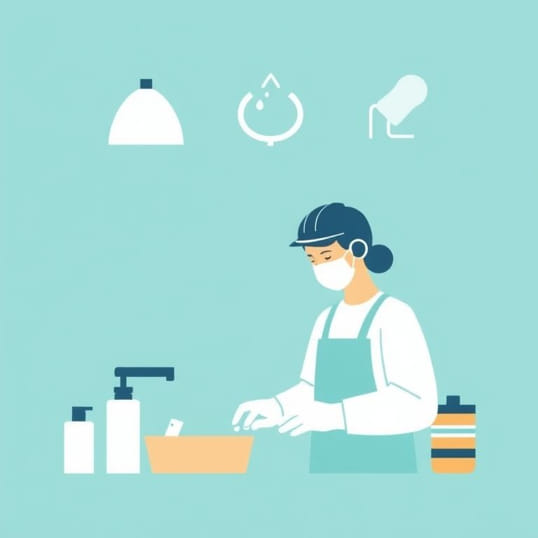
Describe Safe And Hygienic Working Practices
Safe and hygienic working practices are essential for maintaining a productive and healthy workplace. Whether in an office, factory, kitchen, healthcare facility, or construction site, proper safety and hygiene standards protect employees from accidents, illnesses, and unnecessary risks. These practices not only ensure compliance with workplace regulations but also create an environment where staff feel valued and motivated. By fostering safe and hygienic habits, organizations can minimize hazards, prevent infections, and promote long-term efficiency across all levels of work.
The Importance of Safe and Hygienic Practices
Every workplace carries potential risks, from physical injuries to exposure to harmful bacteria. Safe and hygienic working practices help reduce these risks and maintain the well-being of employees. A company that prioritizes safety and hygiene also demonstrates responsibility and professionalism, which reflects positively on its reputation. Moreover, good practices in this area reduce absenteeism, lower healthcare costs, and improve overall morale among staff.
Promoting Employee Health
Healthy employees are the foundation of a strong business. Ensuring hygienic working conditions, such as clean restrooms, disinfected surfaces, and safe food handling, prevents the spread of diseases. Providing adequate ventilation, clean drinking water, and regular sanitization are vital measures that protect workers from illnesses and keep productivity levels high.
Reducing Workplace Accidents
Safe practices, such as using protective gear, following safety signs, and proper handling of tools, are crucial in industries like construction, manufacturing, and healthcare. Orderly environments with clear pathways, well-maintained equipment, and trained staff greatly reduce the chances of accidents. By being proactive, companies save costs related to injuries while keeping workers safe.
Basic Principles of Safe and Hygienic Work
Safe and hygienic working practices are based on a few core principles that apply to most workplaces. These principles ensure that daily activities are carried out without compromising health or safety.
- Clean and disinfect workspaces regularly to prevent contamination.
- Use protective equipment when handling dangerous substances or working in risky environments.
- Ensure proper waste management systems are in place to avoid clutter and hazards.
- Train employees on emergency procedures such as fire drills and first aid.
- Promote personal hygiene among staff, including hand washing and clean uniforms.
The Role of Personal Responsibility
While organizations must provide safe conditions, employees also have a responsibility to follow rules and maintain personal hygiene. Simple habits like washing hands, wearing protective gear correctly, and reporting unsafe conditions can prevent larger problems. A culture of shared responsibility strengthens workplace safety.
Safe Working Practices Across Different Workplaces
The type of workplace determines specific safety and hygiene requirements. However, the core idea remains the same preventing harm and maintaining health.
In Offices
Offices may appear low-risk, but hazards still exist. Ensuring ergonomic furniture, keeping cables tidy to prevent tripping, and cleaning shared equipment like keyboards or telephones regularly are important practices. Air quality and adequate lighting also play a role in maintaining a safe and hygienic office environment.
In Factories and Workshops
Factories demand stricter safety protocols due to heavy machinery and hazardous materials. Workers should wear helmets, gloves, safety shoes, and other protective gear. Machines must be checked and maintained regularly, while safety signs should be visible at all times. Hygiene is also important, especially if workers handle chemicals, which require proper disposal and safe storage.
In Healthcare Facilities
Healthcare environments require the highest standards of hygiene to protect both staff and patients. Regular handwashing, sterilizing instruments, wearing gloves and masks, and safely disposing of medical waste are critical. Safe practices also involve careful handling of patients to prevent injuries or infections.
In Kitchens and Food Industries
Food industries must strictly follow hygiene rules to prevent contamination. Workers should wear clean uniforms, wash hands before handling food, and store products at safe temperatures. Equipment must be cleaned regularly, and surfaces sanitized to reduce the risk of foodborne illnesses.
Creating a Safe and Hygienic Workplace Culture
Safe and hygienic practices thrive when they become part of the workplace culture. Organizations should not only enforce rules but also encourage employees to adopt good habits willingly. This can be achieved through training sessions, awareness campaigns, and rewarding employees who follow safety and hygiene protocols diligently.
The Role of Training and Education
Regular training ensures that employees are updated about safety procedures and hygienic practices. This includes educating staff on how to handle emergencies, use protective gear, and maintain personal cleanliness. Training reduces mistakes and empowers employees to make informed decisions in risky situations.
Management’s Responsibility
Leaders and managers play a key role in implementing safe and hygienic practices. They must ensure policies are clear, resources are available, and inspections are carried out. By setting a strong example, managers influence staff to adopt the same standards.
Challenges in Maintaining Safe and Hygienic Practices
Despite clear benefits, maintaining high standards of safety and hygiene can be challenging. Some businesses face budget constraints, while others struggle with lack of cooperation from employees. Additionally, fast-paced industries may prioritize productivity over safety, which can create risks.
Overcoming Barriers
Organizations can overcome challenges by integrating safety into daily routines, making hygienic practices simple and accessible. For example, placing sanitizers at entry points, organizing regular cleaning schedules, and ensuring protective gear is comfortable and easy to use can encourage compliance. Incentives and recognition also motivate employees to prioritize safety and hygiene.
Long-Term Benefits of Safe and Hygienic Practices
When safe and hygienic practices are maintained consistently, they bring long-term advantages for both employees and employers. Businesses gain a reputation for professionalism and care, which attracts clients and talent. Employees enjoy better health, lower stress, and increased satisfaction, leading to reduced turnover and higher loyalty.
Boosting Productivity
A clean and safe workplace allows employees to focus on their tasks without worrying about risks or discomfort. Less time is wasted dealing with accidents or illnesses, which translates into higher efficiency and stronger business performance.
Legal and Ethical Benefits
Workplace safety and hygiene are often regulated by law. By following the correct practices, businesses avoid fines, legal issues, and reputational damage. Ethically, prioritizing employee well-being demonstrates integrity and respect, strengthening trust between management and staff.
Describing safe and hygienic working practices highlights their critical role in every type of workplace. These practices safeguard employee health, reduce accidents, and create an environment that promotes efficiency and trust. By combining organizational responsibility with personal accountability, companies can build a culture where safety and hygiene become second nature. The long-term rewards include healthier staff, stronger business performance, and a reputation for excellence, proving that investing in safety and hygiene is not just necessary but highly beneficial for everyone involved.