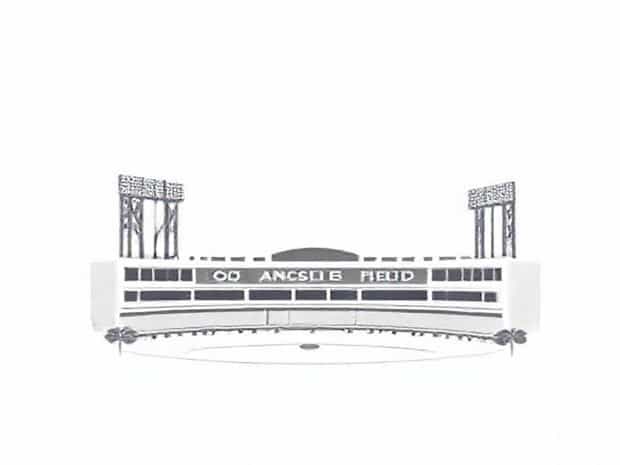
Los Angeles Wrigley Field
Wrigley Field in Los Angeles, often overshadowed by its more famous Chicago counterpart, holds a significant place in the history of American baseball. Located at the corner of 42nd Place and Avalon Boulevard in South Los Angeles, this ballpark was a hub for minor league baseball and various other events for over three decades. Its legacy as the original Wrigley Field offers a unique glimpse into the early days of professional sports on the West Coast.
Origins and Construction
The story of Los Angeles’ Wrigley Field begins in 1921 when William Wrigley Jr., the chewing gum magnate and owner of the Chicago Cubs, acquired the Los Angeles Angels, a team in the Pacific Coast League (PCL). Seeking to provide the team with a modern facility, Wrigley commissioned the construction of a new ballpark. Designed by architect Zachary Taylor Davis, who also designed the original Cubs Park in Chicago, the stadium was built in a Spanish Colonial Revival style, featuring a distinctive 12-story office tower at the entrance. The ballpark opened on September 29, 1925, and was dubbed Wrigley’s Million Dollar Palace” due to its lavish design and construction cost of approximately $1.5 million, a substantial sum at the time. The stadium seated about 18,500 spectators in the grandstand and an additional 2,000 in the bleachers, making it one of the largest and most modern ballparks in the country at the time.
Baseball at Wrigley Field
For over three decades, Wrigley Field served as the home of the Los Angeles Angels. The team was a prominent member of the PCL, a league considered by many to be a “third major league” due to its high level of play. During this period, the Angels attracted large crowds, and the ballpark became a central part of the community’s identity. The rivalry between the Angels and the Hollywood Stars, another PCL team, was particularly intense, drawing significant attention and fostering a passionate fan base.
In 1938, the stadium hosted the NFL Pro Bowl, showcasing its versatility as a venue for various sports. Additionally, Wrigley Field was used for professional boxing matches, including notable bouts featuring legends like Joe Louis and Sugar Ray Robinson. The stadium’s ability to accommodate diverse events contributed to its status as a premier sports and entertainment venue in Los Angeles.
Beyond Baseball Cultural Significance
Wrigley Field’s influence extended beyond the realm of sports. In the 1940s and 1950s, the stadium became a significant cultural venue, hosting the “Cavalcade of Jazz,” a series of large outdoor jazz festivals produced by African American entrepreneur Leon Hefflin Sr. These events featured prominent artists such as Count Basie, Louis Jordan, and Josephine Baker, and played a crucial role in promoting racial integration and cultural exchange in Los Angeles. The festivals attracted diverse audiences and were instrumental in shaping the city’s cultural landscape during that era.
The ballpark also made appearances in popular media, further cementing its place in American culture. It served as a backdrop for several films and television shows, including the 1927 silent film “Babe Comes Home,” starring Babe Ruth. These appearances helped introduce Wrigley Field to a broader audience and solidified its status as an iconic American venue.
Decline and Demolition
Despite its rich history, Wrigley Field faced challenges in the post-World War II era. The rise of major league baseball in California, with teams like the Los Angeles Dodgers and the San Francisco Giants moving to the state, led to a decline in attendance for minor league games. In 1958, the Los Angeles Angels folded, and the stadium was left without a primary tenant.
In 1961, the California Angels, a major league expansion team, briefly used Wrigley Field as their home while awaiting the completion of their new stadium in Anaheim. However, this arrangement lasted only one season, and the Angels moved to Anaheim Stadium in 1962. Following the departure of the Angels, Wrigley Field was used intermittently for various events but never regained its former prominence.
In 1969, after years of declining use, Wrigley Field was demolished. The site was redeveloped into Gilbert Lindsay Park and the Kedren Community Health Center, marking the end of an era for the historic ballpark.
Legacy and Preservation
Today, few physical traces of Wrigley Field remain. However, its legacy endures through historical records, photographs, and the memories of those who experienced its vibrant atmosphere. The ballpark’s story is a testament to the rich history of baseball on the West Coast and the cultural significance of sports venues in American society.
Efforts to preserve the history of Wrigley Field continue through various historical societies and local organizations dedicated to maintaining the memory of this iconic stadium. By sharing its story, they ensure that future generations can appreciate the role Wrigley Field played in the development of baseball and its impact on the cultural fabric of Los Angeles.