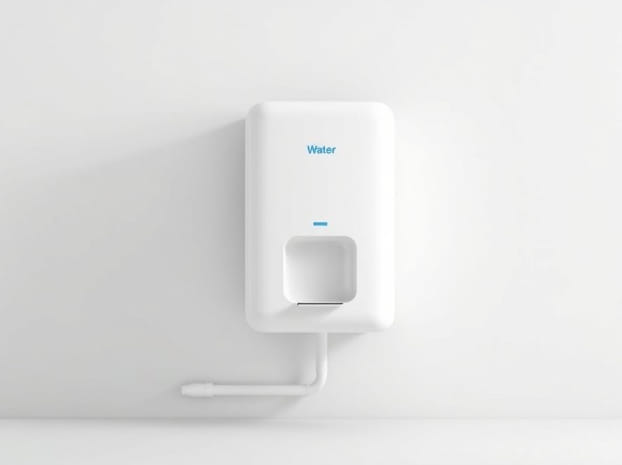
Hot Water Dispenser Plumbed In
A hot water dispenser plumbed in is an increasingly popular addition to modern kitchens, offices, and commercial spaces. Unlike traditional kettles or standalone hot water units, a plumbed-in dispenser is directly connected to the mains water supply, providing instant access to hot water at any time. This convenience makes it ideal for busy households, workplace kitchens, and hospitality settings where efficiency and reliability are essential. Understanding the features, installation process, maintenance, and benefits of a plumbed-in hot water dispenser can help users make an informed choice when upgrading their hot water systems.
What is a Plumbed-In Hot Water Dispenser?
A plumbed-in hot water dispenser is a unit that heats water and delivers it instantly through a tap connected directly to the mains water supply. Unlike countertop kettles or bottled hot water units, it does not require manual refilling, ensuring an uninterrupted supply of hot water. Many models are compact, allowing installation under the sink or integrated into kitchen worktops. These systems are designed for convenience, safety, and efficiency, providing boiling or near-boiling water for cooking, beverages, and cleaning purposes.
Key Features
- Direct connection to mains water for a continuous supply.
- Adjustable temperature settings for different uses.
- Instant hot water dispensing without waiting for heating.
- Compact design suitable for under-sink or countertop installation.
- Safety features such as child locks, boil-dry protection, and insulated taps.
Benefits of a Hot Water Dispenser Plumbed In
Plumbed-in hot water dispensers offer numerous advantages over traditional methods of obtaining hot water. They save time, reduce energy usage, and enhance convenience in both residential and commercial settings. Whether preparing a quick cup of tea, sterilizing baby bottles, or cooking, instant access to hot water streamlines daily tasks.
Time-Saving and Efficiency
One of the main benefits is the instant availability of hot water. Traditional kettles or stovetop heating can take several minutes, whereas a plumbed-in dispenser delivers water at the desired temperature immediately. This is particularly useful in busy households, offices, or cafes where multiple hot drinks are prepared throughout the day.
Energy Efficiency
Plumbed-in units are often more energy-efficient than boiling a full kettle repeatedly. Many models maintain a small, consistent amount of hot water ready for use, reducing energy consumption while ensuring a constant supply. This efficiency contributes to lower electricity or gas bills over time.
Safety and Convenience
Modern dispensers include safety mechanisms such as insulated taps, child locks, and automatic shut-off features to prevent accidents. The consistent temperature control reduces the risk of scalding, while compact design saves counter space. These features make plumbed-in hot water dispensers particularly suitable for homes with children or commercial environments.
Installation Considerations
Installing a hot water dispenser plumbed in requires some planning and professional expertise. The unit must be connected securely to the mains water supply and often to an electrical source for heating. Many dispensers are designed for under-sink installation, making it important to ensure enough space and proper ventilation for safe operation.
Steps for Installation
- Identify a suitable location under the sink or on the countertop.
- Connect the unit to the mains water supply using approved fittings.
- Ensure proper electrical connection according to the manufacturer’s specifications.
- Install the dedicated tap for hot water dispensing.
- Test the unit for leaks and correct temperature operation.
Professional vs DIY Installation
While some homeowners with plumbing experience may install a plumbed-in dispenser themselves, it is generally recommended to hire a certified plumber and electrician. This ensures compliance with local regulations, guarantees proper operation, and maintains warranty coverage. Professional installation minimizes the risk of leaks, electrical hazards, and damage to existing plumbing.
Maintenance and Care
Proper maintenance extends the lifespan of a plumbed-in hot water dispenser and ensures consistent performance. Regular cleaning, descaling, and checking for leaks or faulty connections are essential. Most manufacturers provide maintenance guidelines, including recommended intervals for descaling and inspecting electrical components.
Cleaning and Descaling
Over time, mineral deposits from mains water can accumulate in the heating element, affecting performance and taste. Descaling the unit periodically using manufacturer-approved products helps maintain efficiency. Additionally, cleaning the tap and surrounding area prevents dirt buildup and ensures hygienic water delivery.
Inspection and Repairs
- Check hoses, connectors, and fittings for leaks.
- Ensure the temperature control and safety mechanisms are functioning correctly.
- Replace worn or faulty components promptly to prevent damage.
- Consult professional service for any electrical or major mechanical issues.
Applications of Plumbed-In Hot Water Dispensers
Plumbed-in hot water dispensers are versatile and can be used in various settings. In residential kitchens, they provide instant water for cooking, beverages, and cleaning tasks. Offices and workplaces benefit from quick access to hot water for staff kitchens, reducing queues and improving efficiency. Commercial kitchens, cafes, and catering environments also rely on these systems for rapid hot water supply during high-demand periods.
Residential Use
- Instant tea, coffee, or other hot beverages.
- Cooking pasta, noodles, or other foods requiring hot water.
- Sterilizing baby bottles or kitchen utensils.
- Cleaning tasks that require hot water.
Commercial Use
- Staff kitchens in offices and corporate environments.
- Cafes and restaurants for rapid drink preparation.
- High-demand kitchens in schools, hospitals, and hospitality settings.
- Laboratory or industrial applications requiring instant hot water.
Choosing the Right Hot Water Dispenser
When selecting a plumbed-in hot water dispenser, consider factors such as capacity, heating speed, temperature control, installation space, and energy efficiency. High-quality units from reputable brands provide reliable performance and safety features. Reviewing product specifications and customer reviews helps make an informed decision based on usage requirements.
Key Selection Criteria
- Capacity Ensure the dispenser can meet daily hot water demand.
- Heating Speed Choose a unit that heats water quickly for convenience.
- Temperature Control Adjustable settings allow for versatility in use.
- Space and Design Ensure the unit fits your kitchen layout or workplace setup.
- Energy Efficiency Opt for models that minimize energy consumption while maintaining performance.
A hot water dispenser plumbed in offers convenience, efficiency, and safety for both residential and commercial settings. By providing instant access to hot water, these units save time, reduce energy consumption, and enhance daily operations in kitchens and workplaces. Proper installation, maintenance, and selection of a high-quality model ensure long-term reliability and performance. Whether for brewing beverages, cooking, cleaning, or industrial applications, a plumbed-in hot water dispenser is a practical and valuable addition to any space, combining functionality with convenience for everyday tasks.