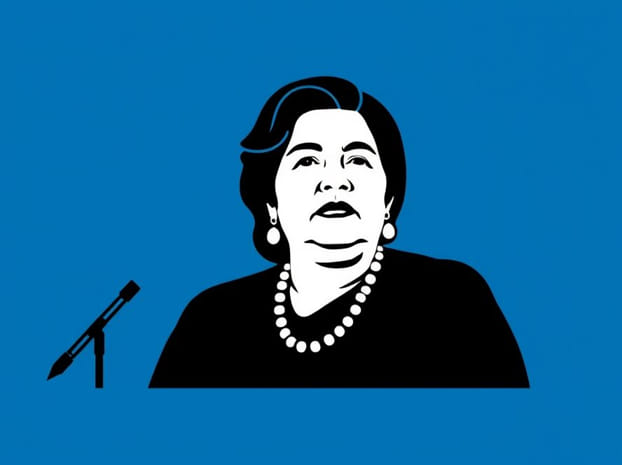
Honduran President Xiomara Castro De Zelaya
Xiomara Castro de Zelaya is a significant political figure in Honduras, making history as the first female president of the country. Her rise to power reflects broader social and political shifts in Honduras, where calls for reform, transparency, and social justice have grown louder over the years. Castro de Zelaya’s presidency represents a departure from traditional political structures and offers a unique opportunity to explore issues such as economic development, gender equality, anti-corruption initiatives, and international diplomacy. Her leadership has attracted both domestic and international attention, making her a central figure in contemporary Latin American politics.
Early Life and Background
Xiomara Castro de Zelaya was born on September 30, 1959, in La Ceiba, Honduras. She comes from a politically active family and has been engaged in public life for many years. Castro studied social sciences and became involved in political activism, advocating for human rights and social welfare. Her marriage to Manuel Zelaya, a former president of Honduras, positioned her in the public eye and allowed her to gain valuable political experience. These early experiences shaped her vision for leadership and her commitment to addressing issues such as inequality, poverty, and corruption in Honduras.
Political Career and Rise to Presidency
Castro de Zelaya began her political career by participating in grassroots movements and advocating for social justice. She ran for president as a candidate of the Liberty and Refoundation Party (LIBRE), a left-leaning political party formed in response to political instability and calls for reform. Her campaign emphasized transparency, anti-corruption measures, healthcare reform, and the protection of vulnerable communities. In November 2021, Xiomara Castro won the presidential election, marking a historic moment for Honduras and inspiring new discussions about the role of women in politics across the region.
Key Policies and Initiatives
Since taking office, Xiomara Castro de Zelaya has focused on implementing policies aimed at economic growth, social welfare, and democratic reform. Her administration has prioritized strengthening public institutions, improving healthcare, expanding access to education, and promoting gender equality. Castro has also emphasized anti-corruption initiatives, seeking to restore public trust in government and enhance transparency in political processes. These policies aim to create a more equitable society and address long-standing challenges that have hindered Honduras’ development.
Economic Development and Social Programs
Economic development is a central focus of Castro de Zelaya’s administration. She has introduced initiatives to stimulate job creation, attract foreign investment, and support small businesses. Social programs targeting poverty reduction and community development are also being implemented, including housing assistance, healthcare expansion, and educational support for children and young adults. By combining economic reforms with social welfare initiatives, Castro seeks to create sustainable development that benefits a broad cross-section of Honduran society.
Gender Equality and Women’s Empowerment
As the first female president of Honduras, Xiomara Castro de Zelaya has placed strong emphasis on gender equality and women’s empowerment. Her administration has launched programs to increase female participation in politics, protect women’s rights, and address gender-based violence. Castro’s leadership represents a symbolic and practical shift in Honduran politics, encouraging women to engage in public life and pursue leadership positions. These efforts aim to dismantle systemic barriers and create a more inclusive political landscape for future generations.
Anti-Corruption Measures
Corruption has long been a challenge in Honduras, affecting government efficiency and public trust. Castro de Zelaya has made anti-corruption a cornerstone of her administration, implementing measures to increase transparency, strengthen oversight mechanisms, and hold public officials accountable. These reforms include monitoring public spending, reforming judicial processes, and supporting independent investigative bodies. By tackling corruption head-on, the president aims to improve governance and enhance confidence in Honduran institutions.
Foreign Policy and International Relations
Castro de Zelaya’s presidency also involves navigating complex international relations. Her administration seeks to strengthen ties with regional partners in Latin America while maintaining strategic relationships with the United States and other global powers. Focus areas include trade, security, migration, and climate change cooperation. By promoting diplomacy and collaboration, Castro aims to enhance Honduras’ international standing and leverage partnerships for economic and social development.
Challenges and Criticisms
Despite her historic victory and ambitious policy agenda, Xiomara Castro de Zelaya faces significant challenges. Political opposition, economic pressures, and social unrest are ongoing concerns. Critics argue that some reforms may be difficult to implement given institutional constraints and entrenched political interests. Additionally, managing expectations among diverse social groups requires careful balancing of competing priorities. Nevertheless, Castro’s leadership continues to attract attention for its potential to bring meaningful change and address long-standing issues in Honduras.
Impact on Honduran Society
The presidency of Xiomara Castro de Zelaya has had a profound impact on Honduran society. Her focus on social programs, gender equality, and anti-corruption initiatives has inspired greater civic engagement and optimism among citizens. Communities previously marginalized in political processes are now finding a voice, and young people are increasingly motivated to participate in democratic activities. Castro’s leadership demonstrates the potential of inclusive governance to foster social cohesion, enhance public trust, and promote equitable development.
Future Prospects
Looking ahead, the future of Xiomara Castro de Zelaya’s administration will likely depend on her ability to navigate political challenges, maintain public support, and implement reforms effectively. Success in these areas could solidify her legacy as a transformative leader and pave the way for continued progress in Honduras. Her presidency also serves as an example for other countries in the region, highlighting the importance of inclusive leadership, gender representation, and commitment to social and economic development.
Xiomara Castro de Zelaya’s tenure as president of Honduras represents a historic moment for the country and the broader Latin American region. Her leadership combines a focus on economic development, social welfare, gender equality, anti-corruption measures, and international diplomacy. By navigating challenges and implementing reforms, Castro has the potential to reshape Honduras’ political landscape and promote greater social inclusion. Her presidency underscores the transformative power of inclusive governance and serves as an inspiration for future generations of leaders committed to democratic principles and social justice.