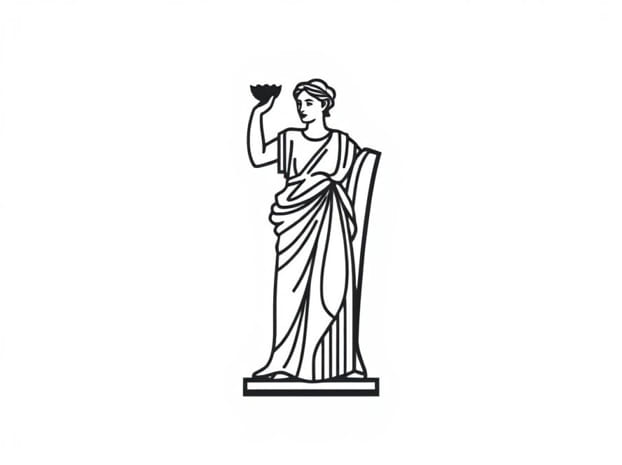
Greek Muse Of Eloquence
In Greek mythology, the Muses hold a special place as goddesses of inspiration, each presiding over a specific domain of the arts, literature, or sciences. Among these divine figures, the Muse of eloquence occupies a unique role, guiding poets, orators, and writers in the art of persuasive and expressive speech. Eloquence, regarded as a powerful skill in ancient Greece, was essential not only for storytelling but also for civic discourse, political debate, and philosophical discussion. The Muse of eloquence embodies the connection between divine inspiration and human communication, illustrating how skillful language can influence minds, inspire action, and immortalize ideas. Understanding her role offers insights into Greek values, education, and the art of rhetoric, revealing the cultural significance of eloquence in antiquity.
Identity of the Greek Muse of Eloquence
The Muse of eloquence is often associated with the broader concept of rhetoric and persuasive speech. While the classical nine Muses, daughters of Zeus and Mnemosyne, are well-known for presiding over poetry, history, music, and astronomy, eloquence itself is sometimes connected to Calliope, the Muse of epic poetry. Calliope represents grand, elevated speech and storytelling, emphasizing the importance of clarity, power, and persuasiveness. Ancient Greeks considered eloquence a divine gift, and invoking the Muse ensured that words would carry weight, rhythm, and emotional impact.
Depictions and Symbols
The Muse of eloquence is typically depicted as a regal, poised figure holding a writing tablet or scroll, symbolizing knowledge, composition, and the careful crafting of speech. Occasionally, she may also be shown with a stylus or lyre, reflecting the connection between spoken word and artistic expression. These symbols underscore the belief that eloquence is not merely natural talent but a skill refined through divine inspiration, education, and practice.
The Role of Eloquence in Ancient Greek Culture
In ancient Greece, eloquence was more than mere ornamentation; it was a vital component of civic life. Orators used persuasive speech to sway assemblies, defend legal cases, and influence political decisions. Philosophers employed eloquence to convey complex ideas and ethical arguments. The Muse of eloquence, therefore, served as a spiritual guide for anyone seeking mastery over language, ensuring that their words were both beautiful and impactful. Mastery of eloquence was associated with wisdom, leadership, and social influence, highlighting the integral role of communication in shaping society.
Rhetoric and Education
The study of rhetoric was central to education in classical Greece. Young citizens learned to organize arguments, employ metaphors, and speak with confidence under the guidance of teachers, often invoking the Muse of eloquence for inspiration. Education in rhetoric emphasized clarity, persuasive power, and stylistic elegance, linking intellectual development to spiritual and artistic cultivation. The Muse’s influence was thought to enhance memory, creativity, and moral persuasion, ensuring that speech could both educate and inspire audiences.
Mythological Connections
The Greek Muse of eloquence is connected to other divine figures who govern speech, communication, and wisdom. Hermes, the god of communication and messenger of the gods, shares certain qualities with the Muse, particularly in facilitating the transmission of ideas. Likewise, Apollo, god of music, prophecy, and poetry, complements the Muse’s role by underscoring the harmony and rhythm essential to effective speech. Together, these deities illustrate the interconnection between inspiration, intellect, and performance in Greek mythology.
Influence on Poets and Orators
Ancient writers and speakers frequently invoked the Muse of eloquence at the beginning of their compositions or speeches. By calling upon her guidance, they sought clarity, persuasive power, and stylistic excellence. Epic poets, dramatists, and philosophers credited the Muse for helping them find the right words to convey profound truths, evoke emotion, and achieve lasting impact. This invocation highlights the cultural belief that eloquence was a divine gift, intertwining human creativity with spiritual inspiration.
Symbolic Significance of Eloquence
Eloquence in Greek mythology symbolizes more than technical skill; it represents the power of language to shape perception, influence decisions, and immortalize ideas. The Muse of eloquence embodies the principle that words carry moral, intellectual, and emotional weight, capable of inspiring action, teaching wisdom, or even shaping destiny. This symbolism reflects the Greek understanding of speech as a sacred tool, linking communication with ethical responsibility and artistic expression.
Elements of Persuasive Speech
- ClarityEnsuring that ideas are understandable and well-organized.
- Rhythm and StyleUsing meter, repetition, and literary devices to enhance impact.
- Emotional AppealEngaging the audience’s feelings to strengthen persuasion.
- Ethical AuthorityDemonstrating credibility and moral alignment in speech.
- InspirationDrawing upon divine guidance, creativity, or wisdom for effectiveness.
The Muse of Eloquence in Literature
The influence of the Muse of eloquence extends to numerous literary works, from epic poetry to philosophical treatises. Writers often opened their works with invocations to the Muse, asking for inspiration to convey truth and beauty. By acknowledging the Muse, authors linked their work to divine authority, suggesting that eloquence was both a human and spiritual endeavor. This practice highlights the enduring importance of eloquence in preserving culture, history, and philosophical ideas through language.
Impact on Modern Rhetoric
The concept of a Muse inspiring eloquence has persisted into modern understanding of rhetoric, speechwriting, and creative writing. While contemporary education emphasizes practice, logic, and style, the idea of seeking inspiration whether through meditation, study, or divine invocation reflects the ancient Greek belief in the spiritual dimension of effective communication. The Muse of eloquence remains a symbol of the union between intellect, creativity, and persuasive skill.
Practical Lessons from the Muse of Eloquence
The mythology of the Muse of eloquence provides practical lessons for writers, speakers, and leaders. By emphasizing preparation, clarity, and inspiration, the Muse encourages individuals to cultivate their abilities thoughtfully and responsibly. Her guidance highlights the ethical dimension of speech, reminding us that words have power and that eloquence carries both opportunity and responsibility. Whether in public speaking, writing, or interpersonal communication, these lessons remain relevant in contemporary contexts.
The Greek Muse of eloquence represents the divine inspiration behind persuasive, expressive, and impactful speech. She guides poets, orators, and thinkers in crafting words that educate, inspire, and influence, reflecting the cultural importance of eloquence in ancient Greece. By embodying the intersection of creativity, intellect, and moral authority, the Muse illustrates how speech can shape society, preserve knowledge, and elevate human expression to a sacred art. Studying her role offers insight into Greek values, the art of rhetoric, and the enduring power of eloquence as both a human skill and a divine gift.