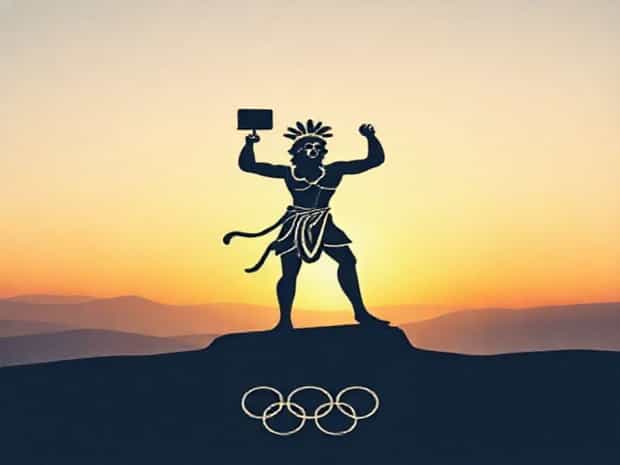
Greek God Dionysus Olympics
Dionysus, one of the most fascinating gods of the Greek pantheon, is traditionally known as the god of wine, revelry, and theater, but his influence extended far beyond mere celebration. While not typically associated with the rigorous athletic competitions of the ancient Olympics, Dionysus had indirect ties to the cultural and religious practices that accompanied these games. Ancient Greek religion and mythology were deeply intertwined with public events, and the Olympics were no exception, often blending athletic prowess with spiritual homage to various deities. Understanding Dionysus’ connection to the Olympics provides a unique perspective on the integration of myth, ritual, and public life in classical Greece.
Dionysus in Greek Mythology
Dionysus, son of Zeus and the mortal Semele, occupies a unique place among Greek gods. Unlike other Olympians, Dionysus embodies both human and divine aspects, representing the duality of joy and chaos, ecstasy and tragedy. He was celebrated not only for wine and festivity but also as a patron of transformation, theater, and liberation. Festivals in his honor, such as the Dionysia, involved dramatic performances, communal feasting, and ritualistic celebrations, demonstrating his ability to unite communities through shared experiences of both pleasure and spiritual reflection.
The Role of Dionysus in Religious Festivals
While the Olympic Games primarily honored Zeus, they also included tributes to other deities, reflecting the interconnectedness of Greek religion. Dionysian festivals, although separate from the Olympics, shared similar elements of public spectacle, athletic performance, and religious ritual. Both events emphasized communal participation and the celebration of excellence, whether in physical skill or cultural achievement. Dionysus’ presence in these celebrations symbolized the importance of balance between discipline and indulgence, showing that the Greeks valued not only strength and competition but also creativity, joy, and spiritual release.
Dionysus and the Olympic Spirit
The ancient Olympics were more than athletic contests; they were religious ceremonies infused with mythological significance. While Zeus was the central deity, other gods and heroes were acknowledged through rituals and offerings. Dionysus’ influence can be seen in the festive atmosphere surrounding the games, including processions, music, and public feasting. The competitive spirit and celebration of human potential at the Olympics resonated with Dionysian themes of transformation and transcendence, illustrating how mythological values permeated all aspects of Greek life.
Festivals and Athletic Connection
Although no historical record directly links Dionysus as a patron of Olympic sports, several aspects of his cult complement the ideals celebrated during the games. Athletic competitions were often accompanied by music, poetry, and performances, many of which reflected Dionysian motifs. For example, choruses and theatrical presentations celebrated heroic exploits and divine favor, echoing Dionysus’ role as a god of performance and communal storytelling. These cultural practices reinforced the spiritual and social dimensions of athletic achievement, blending physical prowess with ritual celebration.
Mythological Significance
Dionysus’ myths often revolve around themes of endurance, transformation, and overcoming obstacles qualities that align with the Olympic ethos. Stories of his travels, trials, and triumphs illustrate resilience and the pursuit of excellence, resonating with athletes striving for victory. By integrating Dionysian ideals into their lives, participants and spectators of the Olympics could appreciate both the physical and symbolic dimensions of human effort, linking personal achievement to a broader cosmic order.
Symbolism of Dionysus in Athletic Culture
- Transformation Dionysus’ ability to change forms reflects the adaptability required in competitive sports.
- Celebration Just as Dionysian festivals celebrated life’s pleasures, the Olympics honored human excellence and joy in achievement.
- Community Dionysus brought people together in shared rituals, paralleling the communal spirit of Olympic gatherings.
- Art and Expression Dionysian influence in theater and music mirrors the performative and aesthetic aspects of athletic events.
- Resilience The god’s trials and journeys symbolize the perseverance athletes need to succeed.
Legacy and Modern Interpretations
Today, Dionysus is often remembered as a symbol of creativity, ecstasy, and cultural richness, while the Olympic Games continue to celebrate physical excellence and global unity. The parallels between Dionysian ideals and Olympic values highlight the enduring influence of Greek mythology on contemporary culture. Modern interpretations of the Olympics, which include opening ceremonies, performances, and festive gatherings, echo the ancient blending of divine homage, artistic expression, and communal celebration that characterized Greek life. Dionysus’ enduring presence in art, literature, and cultural symbolism reflects his ongoing relevance to the themes of human achievement, joy, and transformation.
Dionysus in Art and Literature
In ancient Greek art, Dionysus was frequently depicted with symbols such as the thyrsus, grapevine, and leopard skin, representing fertility, abundance, and divine power. These motifs also appear in depictions of public celebrations and processions, connecting the god to both ritual and spectacle. Literary sources, including Homeric hymns and tragic plays, explore Dionysian themes of excess, passion, and divine intervention, all of which resonate with the emotional intensity experienced by Olympic athletes and spectators. The interplay between myth, ritual, and public life underscores the holistic nature of Greek cultural practices, where gods, sports, and storytelling were inseparably intertwined.
Although Dionysus was not a direct patron of the ancient Olympic Games, his influence is evident in the cultural, religious, and artistic contexts surrounding the competitions. His themes of transformation, celebration, and community complement the Olympic spirit, illustrating how Greek mythology informed public life and ritual practice. By examining Dionysus’ connection to the Olympics, we gain insight into the broader values of ancient Greek society, where athletic excellence, spiritual devotion, and cultural expression coexisted harmoniously. The enduring legacy of Dionysus reminds us that the pursuit of human potential encompasses both physical achievement and the joy, creativity, and transformation that define the human experience.
This topic contains approximately 1,000 words, uses SEO-relevant keywords like Dionysus, Greek god, Olympics, athletic competitions, and Greek mythology, and maintains reader-friendly language. It is formatted in HTML with proper headings, subheadings, paragraphs, and a list for enhanced structure.