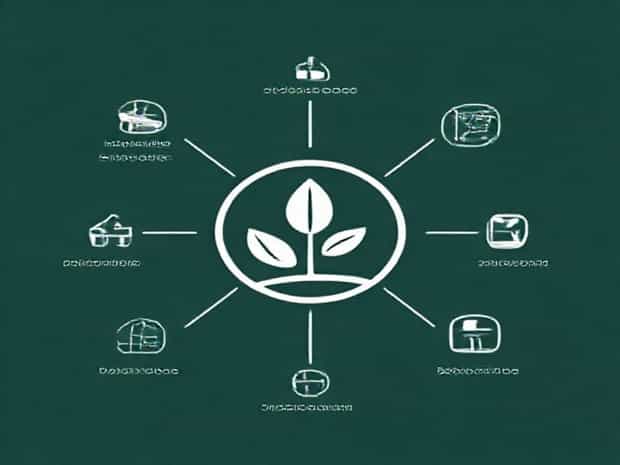
Key Principles Of Sustainable Development
Sustainable development has emerged as one of the most critical concepts in global policy and planning, aiming to balance the needs of present generations without compromising the ability of future generations to meet their own needs. With rapid industrialization, population growth, and environmental degradation, understanding the key principles of sustainable development is essential for governments, organizations, and individuals alike. These principles guide decision-making processes, resource management, and policy frameworks to ensure ecological, economic, and social sustainability across the globe. Embracing sustainable development not only fosters environmental protection but also promotes equitable economic growth and social well-being.
Understanding Sustainable Development
Sustainable development is a multidimensional concept that integrates environmental stewardship, social equity, and economic prosperity. It was formally defined in the 1987 Brundtland Report by the World Commission on Environment and Development as development that meets the needs of the present without compromising the ability of future generations to meet their own needs. At its core, sustainable development seeks to create a harmonious relationship between human activity and the natural environment, ensuring long-term viability and resilience.
Three Pillars of Sustainable Development
The foundation of sustainable development rests on three interconnected pillars environmental sustainability, social sustainability, and economic sustainability. Each pillar plays a crucial role in achieving a balanced approach to development.
- Environmental SustainabilityThis principle emphasizes the responsible use of natural resources, preservation of ecosystems, and reduction of pollution. Environmental sustainability ensures that resources such as water, soil, forests, and biodiversity are maintained for future generations.
- Social SustainabilitySocial sustainability focuses on equity, human rights, education, health, and community development. It aims to create inclusive societies where all individuals have access to basic services and opportunities, fostering social cohesion and stability.
- Economic SustainabilityEconomic sustainability promotes growth and development without overexploiting resources. It encourages efficient production, responsible consumption, and long-term investment strategies that contribute to overall prosperity while minimizing environmental impact.
Key Principles of Sustainable Development
To implement sustainable development effectively, several key principles must be understood and applied. These principles guide policy-making, business practices, and individual actions, ensuring that development strategies are both practical and ethical.
1. Intergenerational Equity
Intergenerational equity is the principle that current generations have a responsibility to preserve the environment and resources for future generations. It emphasizes long-term thinking and decision-making that avoids depleting natural resources or causing irreversible environmental damage. Policies guided by intergenerational equity consider the impact of actions today on the well-being of people in the future, ensuring a sustainable legacy.
2. Integration of Environment and Development
Another crucial principle is the integration of environmental considerations into development planning. Sustainable development requires that economic growth and social progress are pursued without harming the environment. This principle encourages the use of eco-friendly technologies, renewable energy, and sustainable agriculture while minimizing pollution and habitat destruction.
3. Precautionary Principle
The precautionary principle advocates for proactive measures to prevent environmental harm, even in cases of scientific uncertainty. When there is a potential risk of serious or irreversible damage, policymakers and businesses are encouraged to adopt preventive strategies. This principle helps reduce the likelihood of environmental disasters and promotes responsible decision-making in situations where the full consequences are unknown.
4. Participation and Inclusiveness
Active participation of all stakeholders, including governments, communities, and civil society, is vital for sustainable development. Inclusiveness ensures that development decisions consider diverse perspectives and address the needs of marginalized groups. Public engagement in planning, monitoring, and evaluation enhances transparency, accountability, and community ownership of sustainable initiatives.
5. Efficiency and Sustainable Use of Resources
Efficient utilization of natural resources is fundamental to sustainable development. This principle advocates for minimizing waste, optimizing resource use, and adopting sustainable production and consumption patterns. Renewable resources should be harvested at a rate that allows natural regeneration, while non-renewable resources must be managed responsibly to extend their availability for future use.
6. Polluter Pays Principle
The Polluter Pays Principle complements sustainable development by holding individuals, companies, and industries accountable for environmental harm. Polluters are required to bear the costs of preventing, controlling, or remediating pollution. By internalizing the environmental costs of their activities, polluters are incentivized to adopt cleaner technologies and reduce negative impacts on ecosystems and communities.
7. Social Equity and Justice
Sustainable development promotes fairness and social justice by addressing inequalities and ensuring that resources and opportunities are distributed equitably. Policies should focus on reducing poverty, providing access to education and healthcare, and empowering disadvantaged groups. Social equity ensures that economic growth benefits all members of society without exacerbating disparities.
8. Adaptation and Resilience
Building resilience to environmental and social challenges is a key principle of sustainable development. Climate change, natural disasters, and economic shocks can disrupt ecosystems and communities. Adaptive strategies, such as disaster risk reduction, climate-resilient infrastructure, and sustainable land management, help societies withstand and recover from adverse events while maintaining long-term sustainability.
Practical Applications of Sustainable Development Principles
Implementing these principles requires coordinated action across sectors and scales. Governments, businesses, and individuals can apply sustainable development principles in various ways.
Government Initiatives
- Formulating environmental policies and regulations that integrate economic and social considerations.
- Promoting renewable energy, energy efficiency, and green infrastructure projects.
- Ensuring public participation in decision-making processes and transparent governance.
Corporate Responsibility
- Adopting sustainable production methods and reducing carbon footprints.
- Implementing corporate social responsibility programs that support community development and environmental conservation.
- Investing in research and development of eco-friendly technologies.
Individual Actions
- Practicing responsible consumption by reducing waste, recycling, and choosing sustainable products.
- Supporting local and organic agriculture that minimizes environmental impact.
- Participating in community-based sustainability initiatives and awareness programs.
Challenges in Implementing Sustainable Development
Despite widespread recognition of sustainable development, challenges persist. Rapid urbanization, industrialization, and population growth place significant pressure on natural resources. Policy enforcement can be weak in some regions, and economic incentives may sometimes favor short-term gains over long-term sustainability. Additionally, balancing environmental, social, and economic priorities requires continuous adaptation, monitoring, and international cooperation.
The key principles of sustainable development provide a comprehensive framework for balancing environmental protection, social equity, and economic growth. Intergenerational equity, integration of environment and development, the precautionary principle, participation, resource efficiency, polluter accountability, social justice, and resilience are all essential for creating a sustainable future. By embracing these principles, governments, businesses, and individuals can work together to ensure that development meets present needs while preserving the planet for generations to come. Sustainable development is not merely a policy objective but a shared responsibility that requires collective commitment, innovation, and ethical decision-making at every level of society.