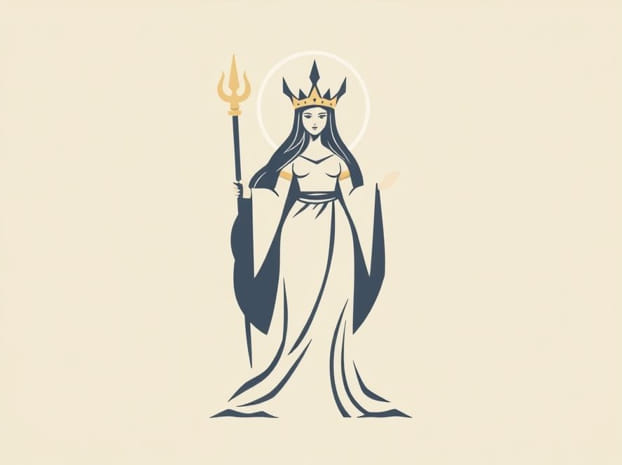
Goddess Hel’S Gelid Kingdom
Goddess Hel’s Gelid Kingdom has long fascinated mythologists, storytellers, and fantasy enthusiasts alike. As a realm of ice, shadow, and eternal chill, it embodies both fear and awe, representing the ultimate frontier of otherworldly power and isolation. The kingdom is said to stretch across frozen landscapes, where the air itself seems to shimmer with frost and the ground is perpetually locked in ice. Ancient legends describe Hel’s domain as a place where mortal souls, spirits, and supernatural beings encounter the stark realities of cold, silence, and timelessness. Beyond its terrifying exterior, the gelid kingdom reveals a complex tapestry of mythology, symbolism, and cultural interpretation, making it a rich subject for study in both folklore and creative literature.
Origins of Goddess Hel’s Gelid Kingdom
The origins of Hel’s frozen realm are deeply rooted in Norse mythology. Hel, the goddess who rules this icy dominion, is often described as the daughter of Loki and Angrboda. Her kingdom serves as the final resting place for those who did not die gloriously in battle. Unlike the fiery imagery often associated with the underworld in other cultures, Hel’s domain is gelid, symbolizing isolation, stasis, and the chilling inevitability of death. The kingdom’s ice-covered landscape mirrors the somber duties of Hel herself, reinforcing the connection between ruler and realm.
Mythological Significance
The gelid nature of Hel’s kingdom carries deep symbolic meaning. In mythology, cold is often associated with death, dormancy, and the unknown. Hel’s realm is not merely a place of punishment but a reflection of the natural cycle of life and death. Souls entering this kingdom experience stillness and reflection, emphasizing the inevitability of mortality. The icy expanse also represents the emotional distance and detachment often attributed to Hel, highlighting the goddess’s role as a neutral, impartial overseer of the dead.
Geography and Landscape of the Gelid Kingdom
The kingdom is described as an expansive realm of frost and snow, where glaciers stretch endlessly and ice-capped mountains pierce the horizon. Rivers of frozen water wind through desolate valleys, and snowstorms can erupt without warning, creating an ever-changing, inhospitable environment. Trees, if they exist at all, are skeletal and frost-covered, serving as silent witnesses to the passage of time in this eternal winter. The geography of Hel’s kingdom is not only a physical challenge for those who enter but also a symbolic reflection of the emotional and spiritual states associated with death and solitude.
Inhabitants of the Kingdom
Hel’s domain is populated by a variety of supernatural beings and spirits. The souls of the dead who enter the kingdom often appear as shadowy figures wandering through the ice fields. Certain creatures native to the realm, such as frost giants and spectral wolves, embody the harshness of the environment and the uncompromising nature of the goddess’s rule. Despite the apparent bleakness, the kingdom is not entirely lifeless; it is a place of quiet, eerie beauty, where the interplay of ice and shadow creates hauntingly striking landscapes.
Symbolism and Themes
The gelid kingdom is rich with symbolic meaning. Ice, in particular, is a recurring theme, representing preservation, emotional distance, and the passage of time. Unlike fiery underworlds that symbolize chaos and torment, Hel’s icy realm emphasizes reflection and endurance. This setting encourages contemplation of mortality and the natural cycles of life, death, and rebirth. The kingdom also reinforces the duality of Hel’s character simultaneously fearsome and just, distant yet intimately connected to the lives and deaths of mortals.
Psychological and Cultural Interpretations
From a psychological perspective, Hel’s frozen realm can be seen as a metaphor for isolation, grief, and the unknown. Many cultures view death as a chilling, incomprehensible experience, and Hel’s kingdom embodies this archetype perfectly. Artists, writers, and filmmakers often draw on the imagery of an icy underworld to explore themes of loss, resilience, and the human confrontation with mortality. By understanding these interpretations, one gains insight into how mythological constructs influence cultural perspectives on death and the afterlife.
Hel’s Role in Mythology and Storytelling
As the ruler of the gelid kingdom, Hel occupies a unique position in Norse mythology. Unlike other gods who actively intervene in mortal affairs, Hel maintains a neutral stance, overseeing the fate of souls without favoritism. Her kingdom is a place of balance, where the lives of mortals are measured and their final resting places determined according to their deeds. This neutrality emphasizes the inevitability of death and the impartiality of natural law, making Hel a symbol of justice and cosmic order in addition to her fearsome reputation.
Hel in Literature and Popular Culture
Hel’s icy domain has inspired countless adaptations in literature, art, and modern media. Fantasy novels often portray gelid kingdoms as harsh, mystical landscapes, drawing directly from the imagery of Hel’s realm. Video games and films may depict icy underworlds populated by spirits, frost creatures, and spectral guardians, emphasizing the challenges and beauty of these frozen environments. The enduring appeal of Hel’s kingdom lies in its ability to evoke awe, fear, and fascination simultaneously, providing a canvas for creative expression and storytelling.
Challenges and Mysteries of the Gelid Kingdom
Entering Hel’s gelid kingdom is often portrayed as a daunting endeavor. The harsh climate, treacherous terrain, and spectral inhabitants pose both physical and spiritual challenges. Travelers must navigate blizzards, frozen rivers, and towering ice formations, all while contending with the metaphysical aspects of the realm. The kingdom is also shrouded in mystery; its true boundaries and depths are unknown, and its pathways may shift unpredictably. These elements underscore the kingdom’s role as a liminal space between life and death, reality and myth.
Exploration and Symbolic Journeys
Many mythological tales involve journeys through Hel’s kingdom as a test of courage, wisdom, or endurance. Heroes who venture into the gelid realm often emerge transformed, having confronted their deepest fears and gained insights into mortality and the human condition. Symbolically, these journeys reflect the inner exploration of the self, highlighting themes of resilience, acceptance, and the reconciliation of life’s harsh truths.
Goddess Hel’s Gelid Kingdom is a powerful symbol in mythology, blending elements of awe, fear, and contemplation. Its icy landscapes, shadowed inhabitants, and symbolic resonance make it a compelling subject for study and creative exploration. Far from being merely a place of punishment, the kingdom reflects the impartiality of death, the beauty of stillness, and the complex nature of Hel as a goddess. From ancient Norse myths to modern fantasy literature, the gelid kingdom continues to captivate imaginations, serving as a reminder of the delicate balance between life, death, and the enduring mysteries that lie beyond.