German Artist Anselm Kiefer
German artist Anselm Kiefer is widely recognized for his monumental and thought-provoking works that explore history, memory, and the human experience. Born in 1945 in Donaueschingen, Germany, shortly after the end of World War II, Kiefer’s art is deeply informed by the legacy of Germany’s past and the complexities of national identity. His pieces often combine painting, sculpture, and installation, using unconventional materials such as lead, straw, ash, and sand to create textured and layered surfaces that evoke both destruction and regeneration. Kiefer’s work challenges viewers to confront historical narratives, collective memory, and the intersection of myth and reality in shaping cultural identity.
Early Life and Influences
Anselm Kiefer grew up in post-war Germany, an environment shaped by the aftermath of conflict and reconstruction. The cultural and historical context of his upbringing left a lasting impression on his artistic vision. Kiefer initially studied law and philosophy before pursuing formal art education, reflecting his interest in intellectual and historical themes. His studies at the Academy of Art in Freiburg and later in Karlsruhe exposed him to influential artists and thinkers, shaping his understanding of contemporary art and its capacity to address historical and existential questions.
Artistic Style and Techniques
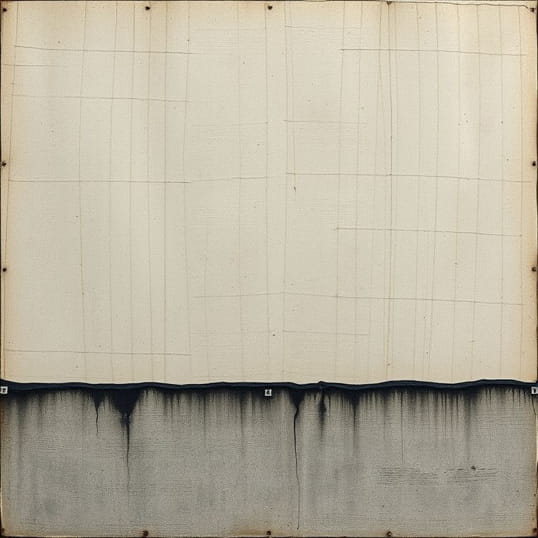
Kiefer’s artistic style is characterized by a unique combination of painting, sculpture, and mixed media. He often uses heavy, tactile materials to construct surfaces that convey a sense of decay, erosion, and transformation. Lead, straw, ash, and clay are recurring elements in his works, each chosen for its symbolic resonance as well as its physical properties. Kiefer’s approach to texture and materiality emphasizes the passage of time, memory, and the burden of history. His paintings frequently incorporate layered imagery, symbols, and references to mythology, literature, and philosophy, creating multi-dimensional works that invite contemplation and interpretation.
Thematic Focus in Kiefer’s Work
History and memory are central themes in Kiefer’s oeuvre. He confronts the trauma of World War II, the Holocaust, and the collective memory of Germany through a complex interplay of symbolism and materiality. His work often engages with the tension between destruction and creation, reflecting on how societies remember and process historical events. Mythology, literature, and esoteric traditions are also frequent sources of inspiration, allowing Kiefer to explore universal questions of human existence and the search for meaning. These thematic concerns are not limited to German history; they address broader questions about cultural memory and human resilience.
Major Works and Projects
Kiefer has created numerous iconic works that exemplify his approach to art and history. Some notable examples include
- Margarethe SeriesThese paintings reference Paul Celan’s poetry and the Holocaust, incorporating straw and lead to convey fragility and destruction.
- Die Himmelsscheibe von NebraInspired by the Bronze Age sky disc, this work connects history, science, and mythology, showcasing Kiefer’s interest in cosmic and temporal themes.
- Monumental InstallationsKiefer’s large-scale installations often fill entire galleries with immersive environments, combining natural and industrial materials to create spaces that evoke historical and metaphysical reflection.
Kiefer’s Use of Materials
The materials Kiefer chooses are integral to the meaning of his work. Lead, for example, is used for its weight, durability, and symbolic associations with alchemy and transformation. Straw and ash evoke natural cycles, decay, and renewal. Kiefer’s deliberate use of unconventional materials challenges traditional notions of painting and sculpture, blurring boundaries between mediums. By incorporating these substances, he not only adds physical texture but also layers of historical and symbolic significance, allowing viewers to engage with his work on multiple levels.
Impact and Legacy
Anselm Kiefer is considered one of the most important contemporary artists of the 20th and 21st centuries. His exploration of history, memory, and materiality has influenced countless artists and expanded the possibilities of contemporary art. Kiefer’s work has been exhibited globally in major museums and galleries, including the Museum of Modern Art in New York, the Tate Modern in London, and the Centre Pompidou in Paris. Beyond his artistic achievements, Kiefer has contributed to discussions about the role of art in addressing collective memory, historical trauma, and cultural identity.
Critical Reception
Critics have praised Kiefer for his intellectual rigor, technical mastery, and the emotional power of his work. His art is often described as confronting and challenging, requiring viewers to engage with complex historical and philosophical ideas. While some viewers may find his work dark or heavy, many appreciate its depth, symbolic richness, and the ways it encourages reflection on the human condition. Kiefer’s ability to merge personal, national, and universal narratives has cemented his reputation as a pivotal figure in contemporary art.
Educational and Mentorship Roles
In addition to his artistic practice, Kiefer has influenced the next generation of artists through teaching and mentorship. His approach to art education emphasizes experimentation, engagement with history, and the exploration of unconventional materials. By encouraging students to think critically about the social and historical context of their work, Kiefer has helped shape contemporary art practices and inspire new ways of approaching artistic creation.
Anselm Kiefer’s work represents a profound engagement with history, memory, and human experience. Through his innovative use of materials, monumental scale, and exploration of complex themes, he challenges viewers to confront difficult historical truths while reflecting on broader existential questions. Kiefer’s legacy lies not only in his striking and thought-provoking artworks but also in his contribution to contemporary art discourse. By blending historical reflection, mythological references, and material experimentation, Kiefer has created a body of work that continues to resonate with audiences worldwide, offering insight into the past while inspiring contemplation about the future.
For anyone interested in contemporary art, history, or the ways in which art can address collective memory, Anselm Kiefer’s work provides a compelling and multifaceted exploration. His dedication to examining the intersections of time, material, and narrative ensures that his art remains both visually arresting and intellectually enriching.