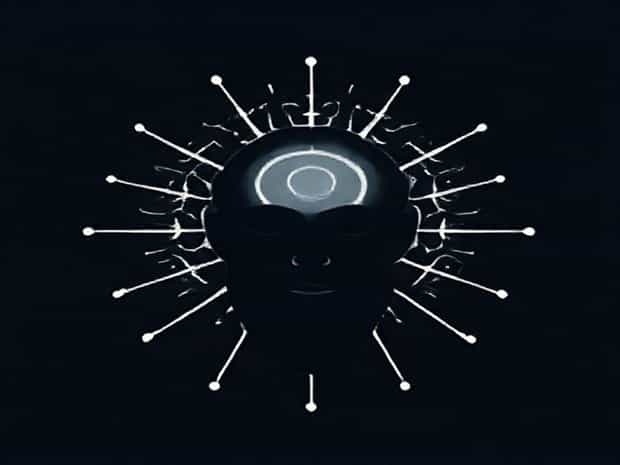
John Locke Sameness Of Consciousness
When discussing the philosophy of personal identity, few ideas are as influential as John Locke’s theory of the sameness of consciousness. Locke, a 17th-century English philosopher, argued that personal identity is not defined by the body or the soul but rather by the continuity of consciousness. This concept remains central to debates in philosophy, psychology, and even law, as it helps answer fundamental questions about what makes a person the same individual over time.
John Locke and the Question of Identity
John Locke, known as one of the most important thinkers of the Enlightenment, explored personal identity in his workAn Essay Concerning Human Understanding. In this text, he proposed that what makes someone the same person across time is not their physical form or their immaterial soul but the persistence of memory and awareness. This was a revolutionary idea because it shifted the focus of identity from metaphysical concepts to human experience and consciousness.
The Sameness of Consciousness Defined
Locke explained that sameness of consciousness refers to the continuity of self-awareness. A person remains the same individual as long as they can remember past experiences and connect them with their present awareness. In other words, if you can recall your past thoughts, actions, and feelings, you are the same person who experienced them, regardless of changes in your body or soul.
Memory as the Foundation of Identity
At the heart of Locke’s theory is memory. He believed that memory allows individuals to link past actions with present consciousness. This link creates a sense of personal responsibility and moral accountability, since someone who remembers committing an action is the same person who can be praised or blamed for it.
Practical Implications of Memory
Locke’s view of memory as the basis of identity carries important implications
- Moral ResponsibilityA person is only accountable for actions they can consciously remember.
- Legal ResponsibilityLocke’s theory influences legal discussions about whether someone should be punished if they cannot recall committing a crime.
- Personal ContinuityIt explains why we feel like the same individual even as our bodies and circumstances change dramatically over time.
Examples of Sameness of Consciousness
To better understand Locke’s concept, consider some practical examples. Imagine a person who, as a child, stole an apple. If as an adult they vividly remember that incident, Locke would argue they are the same person morally responsible for that act. However, if they cannot recall it, then in a sense, they are no longer the same person who committed the theft.
The Prince and the Cobbler Thought Experiment
One of Locke’s most famous illustrations is the story of the prince and the cobbler. If the consciousness of a prince were transferred into the body of a cobbler, and the cobbler’s consciousness into the body of a prince, Locke argued that the person with the prince’s memories and awareness would truly be the prince, even if he now lived in the cobbler’s body. This highlights Locke’s view that identity is not tied to the physical form but to the sameness of consciousness.
Challenges to Locke’s Theory
Although Locke’s theory of sameness of consciousness is influential, it has faced criticisms and challenges over the centuries. Philosophers and psychologists have raised questions about its limits, particularly regarding memory and its reliability.
Problems with Memory
One issue is that memory can be faulty. People often misremember events or forget them entirely. If memory is the sole criterion of personal identity, this would suggest that identity is unstable and fragmented. Furthermore, memory loss due to conditions like amnesia complicates the idea that continuity of memory defines the person.
The Circularity Objection
Critics have also pointed out a circular problem in Locke’s argument. To say that a person is the same individual because they remember a past action assumes that the one who remembers it is already the same person. This makes the definition somewhat self-referential and less clear-cut.
Modern Interpretations of Locke’s Theory
Despite these challenges, Locke’s theory continues to shape modern debates about identity. In philosophy, discussions about personal identity often begin with Locke’s account. In psychology, the role of memory in shaping self-concept echoes his ideas. Even in law and medical ethics, questions of accountability and responsibility often reference principles that align with Locke’s thinking.
Applications in Contemporary Issues
Locke’s emphasis on consciousness is relevant to debates such as
- Artificial IntelligenceCould a machine with memory and continuity of awareness have personal identity?
- Medical EthicsHow should we view individuals with severe memory loss or dementia in terms of responsibility and identity?
- Criminal LawShould someone who cannot remember committing a crime still be punished as the same person who did it?
Philosophical Legacy of Locke’s Sameness of Consciousness
Locke’s contribution lies not only in providing an answer but also in reframing the question of identity itself. Instead of focusing on metaphysical debates about the soul or material body, he placed consciousness and experience at the center of the discussion. This shift has influenced centuries of thought and remains vital to modern philosophy.
Comparison with Other Theories
Other philosophers have responded to Locke’s theory in various ways
- Thomas ReidReid criticized Locke’s memory-based approach, arguing that identity must involve more than recollection of experiences.
- David HumeHume took a different path, suggesting that personal identity is more of a fiction created by the mind than a real, continuous entity.
- Contemporary ThinkersModern philosophers often build on Locke’s foundation while acknowledging the complexities of neuroscience, psychology, and memory studies.
The Enduring Value of Sameness of Consciousness
John Locke’s theory of sameness of consciousness continues to resonate because it addresses fundamental questions about what makes us who we are. By tying identity to memory and awareness, Locke provided a framework that still informs philosophy, law, and psychology. While challenges to his theory highlight its limitations, the core idea that consciousness is the key to personal identity remains a cornerstone of modern thought. Through the concept of sameness of consciousness, Locke gave us a powerful way to explore the continuity of self across time, reminding us that our memories and awareness are central to understanding who we are.